


 Former OpenAI Data Center Chief Chris Malone Joins Nvidia
  Select Water Solutions Shares Surge on $700 Million Pilot Water Deal
  Japan Private-Sector Growth Slows as Domestic Demand Weakens
  Meta Unveils Muse Charm AI Device, Expands Smart Glasses Lineup
  Oil Prices Ease as Iran Tensions Clash With Diplomacy Hopes
  US 10-Year Treasury Yield at 6% Emerges as New Market Risk Threshold
  McDonald’s Sees Flat Traffic, Sticky Inflation as New Normal
  Trump, Xi Focus on Trade and AI at White House Summit
  Gold Prices Fall as Treasury Yields Rise on Fed Rate Hike Bets
  Fed Unveils Stablecoin Rules Under GENIUS Act
  China’s ‘Lipstick King’ Says AI Won’t Replace Livestream Hosts
  Dollar Holds Near Two-Month High as Yen Approaches 160
  European Stocks Fall as Bond Yields and Geopolitical Risks Weigh
  SoftBank Raises $11.1 Billion in Bond Sale to Fund OpenAI Investment
  BlackBerry Shares Rise as Q2 Earnings, Revenue Beat Estimates
  Airbus Finds A321neo Fuselage Quality Issue
  SoftBank Shares Fall as Oracle Flags Stargate Data Center Delay Risk


 Add as a preferred source on Google
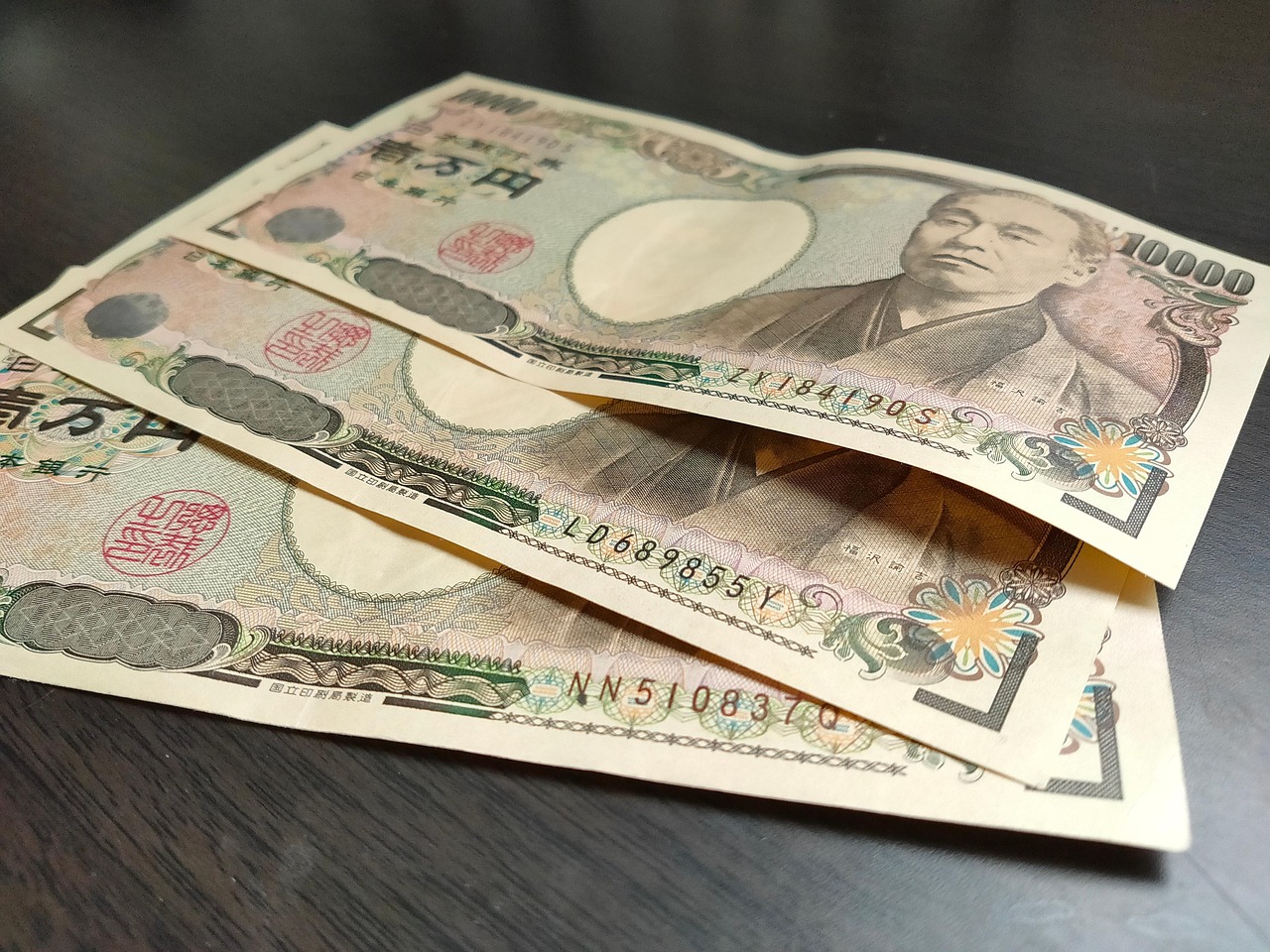
Foreign investors made a dramatic return to Japanese equity markets in the week ending April 4, injecting a net 2.96 trillion yen ($18.65 billion) into Japanese stocks. This marked a sharp reversal after three consecutive weeks of heavy selling, signaling a renewed confidence in Japan's financial markets.
The turnaround came as investor sentiment improved following a ceasefire agreement between the United States and Iran, which triggered a roughly 5.39% rally in the Nikkei on Wednesday. The resolution of geopolitical tensions eased uncertainty across global markets, encouraging risk appetite among international investors looking to re-enter Asian equities.
Seasonal dynamics also played a key role in driving foreign capital back into Tokyo. According to Tomochika Kitaoka, chief equity strategist for Japan at Nomura, foreign financial institutions typically shift their Japanese stock holdings to offshore entities in March — before dividend entitlements and voting rights are locked in — then repatriate those positions in April. This cyclical pattern helped accelerate the recovery in inflows, particularly after foreigners had offloaded nearly 7.37 trillion yen worth of Japanese equities throughout March alone.
Beyond equities, rising Japanese government bond yields — climbing to levels not seen in nearly three decades — drew an additional 2.46 trillion yen in foreign investment into domestic long-term bonds last week, further underlining the growing appeal of Japanese assets.
On the other side of the trade, Japanese investors deployed approximately 1.44 trillion yen into foreign stocks, the highest single-week figure in 11 months, reflecting continued appetite for international diversification. However, they remained net sellers of foreign long-term bonds for the fourth straight week, offloading a net 2.46 trillion yen in overseas fixed-income holdings.
Overall, the data points to a meaningful shift in cross-border capital flows, with Japan re-emerging as an attractive destination for global investors seeking stability and yield.







