


 Yemen Violence Displaces 130,000 as Civilian Toll Rises
  US, China Extend Trade Truce to Jan. 10 Ahead of Trump-Xi Summit
  Trump Asks Supreme Court to Restore Third-Country Deportations
  US Invites Putin to Miami G20, Opening Door to Trump Summit
  Gaza Faces Evacuation Crisis as War-Damaged Buildings Risk Collapse
  US Backs Musk in Fight Against EU’s €120 Million X Fine
  Europe Warns Russia Is Escalating Hybrid Attacks Across NATO
  NATO Boosts Intelligence Sharing Amid Russia Hybrid Threats
  Ghana Says Western Support Growing for Slave Trade Reparations
  Russian Envoy Dmitriev Heads to US for Ukraine Talks
  US Senate Rejects Iran War Powers Resolution in 50-49 Vote
  US Officials Split Over Response to Israeli West Bank Settlements
  Netanyahu Defends Israel at UN as Delegates Stage Walkout
  Netanyahu Takes Aim at Mamdani as Israel Election Nears
  Mexico-US Trade Talks Delayed to October as Tariff Negotiations Continue
  Pezeshkian Says US Must Choose When Iran War Ends
  Russian Missile and Drone Attack on Kyiv Kills Two, Damages Maternity Hospital


 Add as a preferred source on Google
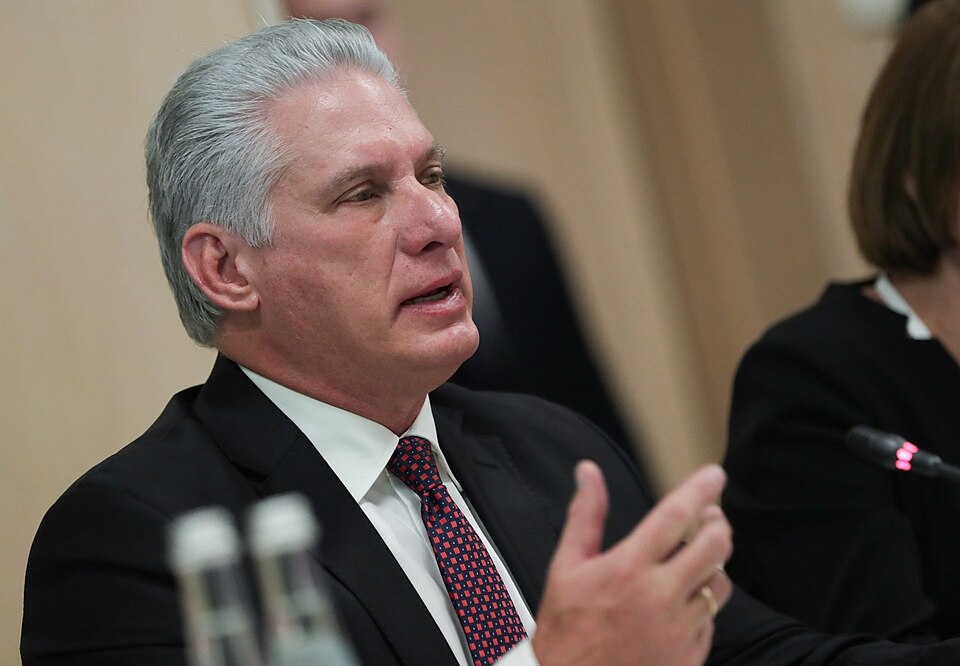
Cuban President Miguel Diaz-Canel has reached out to the Trump administration, expressing his government's willingness to engage in diplomatic talks — but only on equal terms. In an exclusive interview with NBC News anchor Kristen Welker, Diaz-Canel made clear that Cuba is open to communication, provided that Washington refrains from demanding reforms to the island nation's political structure or attaching preconditions to any potential negotiations.
The Cuban leader's statement signals a cautious but notable diplomatic overture toward the United States at a time when relations between the two countries remain deeply strained. Diaz-Canel emphasized that any meaningful dialogue must respect Cuba's sovereignty and its right to self-determination, distancing his government from expectations of political concessions as a prerequisite for engagement.
When pressed on questions of leadership and accountability, Diaz-Canel defended his position by pointing to what he described as a popular mandate from the Cuban people. He portrayed his continued leadership not as a personal choice, but as an expression of collective revolutionary commitment. "The concept of revolutionaries giving up and stepping down, it's not part of our vocabulary either," he told Welker, signaling that regime change remains firmly off the table in any future discussions.
The remarks come amid broader speculation about whether the Trump administration would consider easing sanctions or reopening diplomatic channels with Havana. Cuba has long sought relief from decades-old U.S. economic restrictions, which Havana blames for much of the country's ongoing hardships.
Whether Washington will respond to Diaz-Canel's call for unconditional dialogue remains to be seen. The Trump administration has historically taken a hardline stance toward Cuba, making the prospect of renewed diplomatic engagement uncertain, though the invitation itself marks a significant moment in the ongoing tension between the two neighboring nations.







