


 Asian Stocks Slip as Tech Rout Deepens, Japan Steadies Ahead of Election
  Dollar Near Two-Week High as Stock Rout, AI Concerns and Global Events Drive Market Volatility
  South Korea Assures U.S. on Trade Deal Commitments Amid Tariff Concerns
  Dow Hits 50,000 as U.S. Stocks Stage Strong Rebound Amid AI Volatility
  Gold and Silver Prices Rebound After Volatile Week Triggered by Fed Nomination
  Australia’s December Trade Surplus Expands but Falls Short of Expectations
  Fertile land for growing vegetables is at risk — but a scientific discovery could turn the tide
  South Korea’s Weak Won Struggles as Retail Investors Pour Money Into U.S. Stocks
  Parasites are ecological dark matter – and they need protecting
  Thailand Inflation Remains Negative for 10th Straight Month in January
  Oil Prices Slip as U.S.–Iran Talks Ease Supply Disruption Fears
  Gold Prices Slide Below $5,000 as Strong Dollar and Central Bank Outlook Weigh on Metals
  Ukraine minerals deal: the idea that natural resource extraction can build peace has been around for decades
  Fungi are among the planet’s most important organisms — yet they continue to be overlooked in conservation strategies
  Japan Economy Poised for Q4 2025 Growth as Investment and Consumption Hold Firm
  The UK is surprisingly short of water – but more reservoirs aren’t the answer


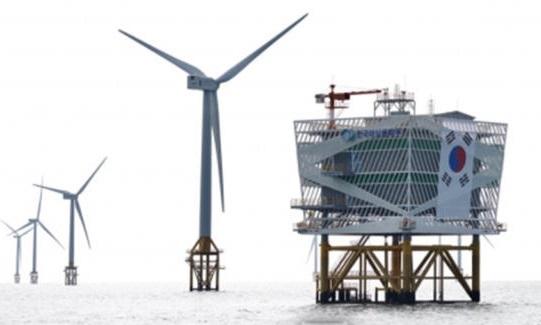
South Korea’s largest offshore wind farm is exhibiting a low capacity utilization rate at 22 percent due to low wind velocity averaging at only 6.03 meters per second last year.
This is lower than the 7 meters per second minimum average standard for offshore wind power generation.
The 60 megawatts (MW) wind farm is located in the coastal waters of Buan, North Jeolla Province.
Over the past year, the wind farm's days with an average wind velocity of less than 4 m/s was 98, while the number of days with a utilization rate of below 10 percent was estimated at 130.
According to the Korea Energy Economics Institute, an offshore wind farm’s unit power generation cost is 275.59 won per kilowatt-hour (kWh), over five times higher than 54 won for nuclear.
An offshore wind farm’s construction cost is estimated at 5.8 billion won per MW, about twice more per MW cost of building a nuclear power plant.













