


 SpaceX Prioritizes Moon Mission Before Mars as Starship Development Accelerates
  LA fires: Long-term exposure to wildfire smoke is poorly understood − and a growing risk
  GesiaPlatform Launches Carbon-Neutral Lifestyle App ‘Net Zero Heroes’
  Blue Origin New Glenn Rocket Explodes During Launch Pad Test, Delaying Space Ambitions
  How to create a thriving forest, not box-checking ‘tree cover’
  What’s so special about Ukraine’s minerals? A geologist explains
  Lake beds are rich environmental records — studying them reveals much about a place’s history
  Trump Administration Releases New UFO Files and Apollo Mission Records
  The UK is surprisingly short of water – but more reservoirs aren’t the answer
  Thousands of satellites are due to burn up in the atmosphere every year – damaging the ozone layer and changing the climate
  NASA Partners with Katalyst to Save Swift Observatory with Innovative Docking Mission
  Ukraine minerals deal: the idea that natural resource extraction can build peace has been around for decades
  Neuralink Plans High-Volume Brain Implant Production and Fully Automated Surgery by 2026
  Eli Lilly’s Inluriyo Gains FDA Approval for Advanced Breast Cancer Treatment


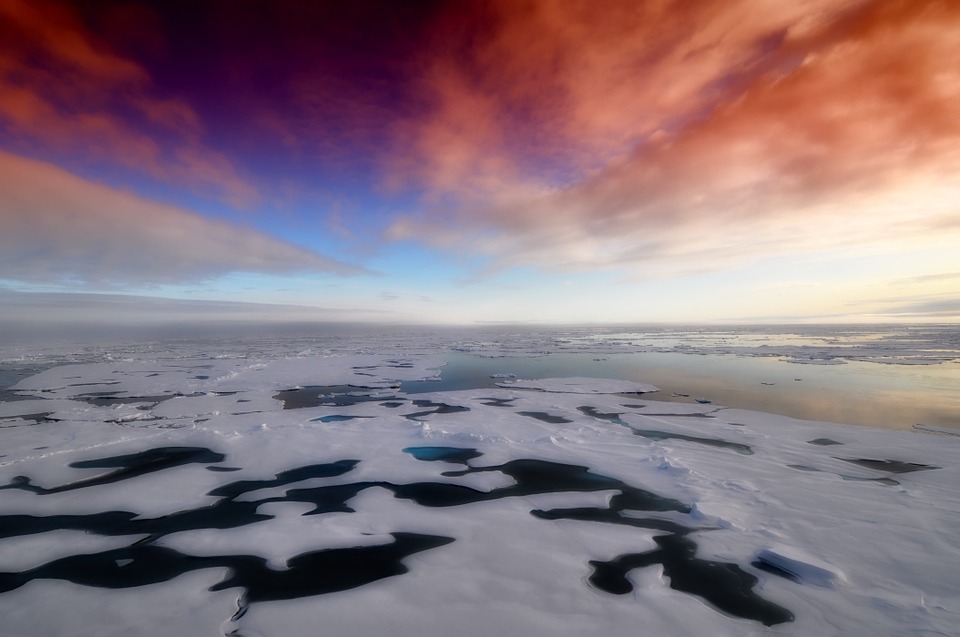
Although the world is suffering from the effects of climate change, colder regions such as Greenland and the Arctic are the worst hit. A recent report has revealed that the situation in the Arctic does not appear to do any better as the sea ice in the region has reached its second-lowest record to date.
In what appears to be another devastating reminder of the effects of climate change, a new report from the National Snow and Ice Data Center at the University of Colorado Boulder, reveals that the sea ice in the Arctic has reached a minimum of 3.74 million square kilometers as of September 15. In 2019, the sea ice minimum in the region was at 4.15 million square kilometers.
According to NSIDC director Mark Serreze, “It’s been a crazy year up north, with sea ice at a near-record low...heat waves in Siberia, and massive forest fires...The year 2020 will stand as an exclamation point on the downward trend in Arctic sea ice extent. We are headed towards a seasonally ice-free Arctic ocean, and this year is another small nail in the coffin.”
“The rapid disappearance of sea ice is a sobering indicator of how closely our planet is circling the drain. As the Arctic melts, the ocean will absorb more heat, and all of us will be more exposed to the devastating effects of climate breakdown,” explained Greenpeace Nordic Oceans Campaigner Laura Meller.
Meanwhile, new reports from the European Space Agency or ESA found that the world’s oceans currently absorb more carbon dioxide than previously believed. This is in contrast with other similar studies, that only measured the surface temperature of the ocean. The cooler the ocean, the more carbon dioxide it actually absorbs.
Previous studies have shown that around half of carbon dioxide was absorbed by the oceans as the researchers have only accounted for the surface temperature of the ocean. However, moving one meter under the surface would lead to a significant drop in temperature. This means that the ocean is absorbing 10 percent more carbon dioxide than previous studies have shown. The revised numbers reveal that the amount of CO2 was previously underestimated by up to 0.9 gigatons of carbon every year.







