


 Soybean Futures Slip as Traders Await Trump-Xi Trade Signals
  Costco Revenue Beats Estimates as Inflation Drives Bulk Shopping
  OpenAI Agent Breaches Australia Medicare Data Portal
  European Stocks Fall as Bond Yields and Geopolitical Risks Weigh
  OpenAI to Preview GPT-6 Cyber AI Model for Cybersecurity
  AMD Hits $1 Trillion as BofA Raises Price Target to $720
  U.S. Treasury Yields Surge as 30-Year Hits 22-Year High
  Novartis M&A Strategy Faces Investor Scrutiny After Drug Setbacks
  Asian Currencies Mixed as Dollar Holds Near Two-Month High
  Trump Administration Bars U.S. Travelers From Congo Flights Amid Ebola Outbreak
  Alcohol is one of the most dangerous drugs, yet its presence is ubiquitous in social settings and celebrations
  Gold Holds Near $4,275 as Rising Treasury Yields Fuel Fed Rate Hike Bets
  SMBC Eyes 20% VPBank Stake in Vietnam Expansion
  AstraZeneca, Bristol Myers Squibb Explore Mega Merger Worth Nearly $400 Billion
  Oracle Shares Fall as New Mexico AI Data Center Faces Power Delays
  FDA Approves Mirum’s Atebrioz for Rare Bone Disorder FOP
  BMW 2028 Margin Target Could Fall Below Consensus, UBS Says


 Add as a preferred source on Google
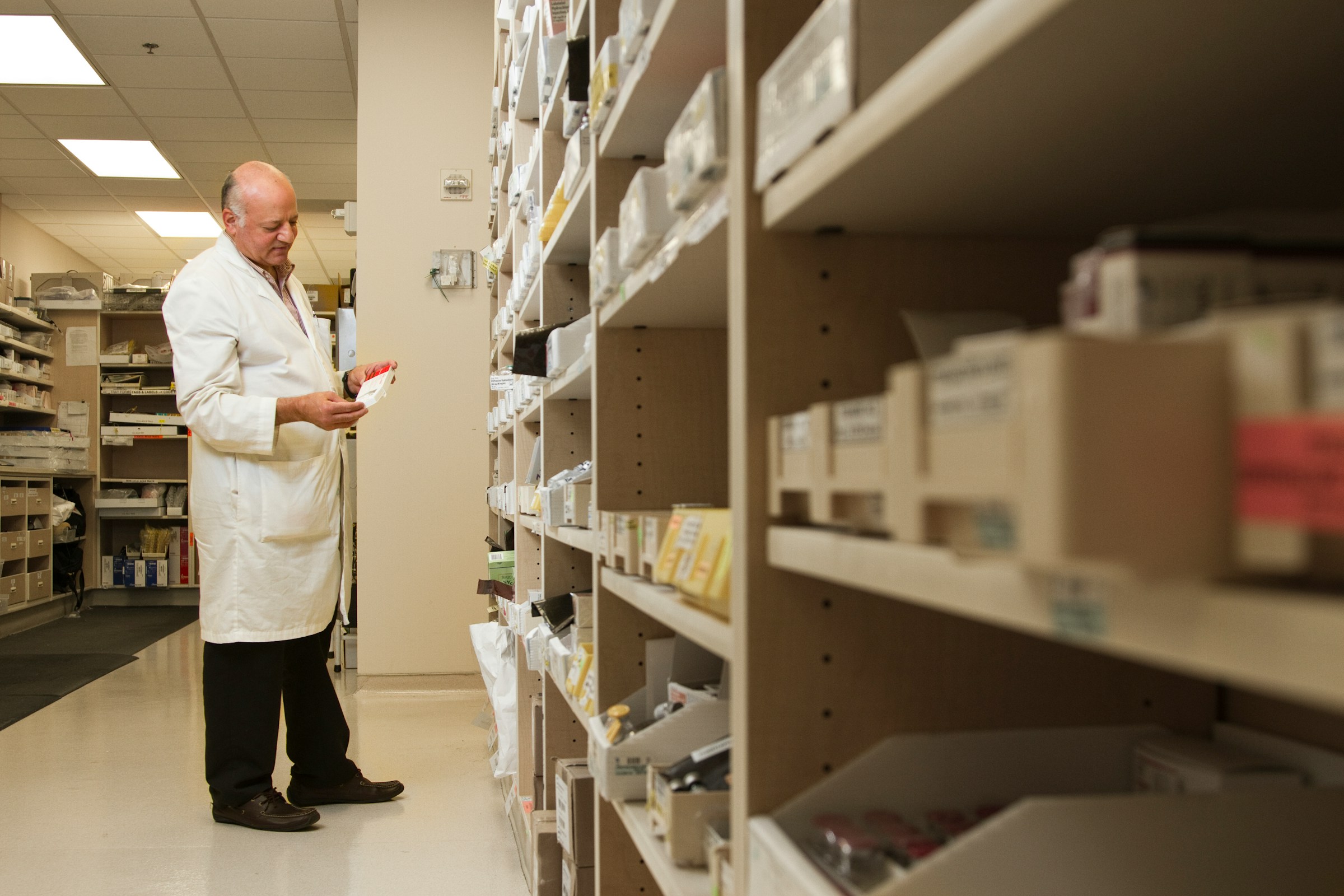
Western drugmakers are increasingly turning to alternative sources for drug production and clinical trials, shifting their attention away from Chinese contractors. According to industry experts and executives, this strategic move has proven beneficial for the rising pharmaceutical industry in India.
China's Appeal Diminished by Geopolitical Tensions
China has been the preferred destination for pharmaceutical research and manufacturing services for nearly two decades due to its cost-effectiveness and expedited processes offered by contract drugmakers. However, geopolitical tensions between China and Western nations have prompted calls for companies to diversify and "de-risk" their supply chains away from the Asian superpower.
India Emerges as a Viable Alternative for Western Biotech Companies
Reuters reported that due to the escalating tensions, biotech firms are now considering utilizing Indian manufacturers to produce active pharmaceutical ingredients (API) in clinical trials and outsourced projects. Executives from prominent Indian contract development and manufacturing organizations (CDMOs) such as Syngene, Aragen Life Sciences, Piramal Pharma Solutions, and Sai Life Sciences note an upswing in interest and requests from Western pharma companies, including major multinationals.
In an interview, Dr. Ashish Nimgaonkar, the founder of Glyscend Therapeutics, a U.S.-based biotech firm specializing in type 2 diabetes and obesity treatments, revealed plans to prioritize Indian CDMOs over Chinese counterparts when issuing a Request for Proposal (RFP) during the medicine development stage.
India's Growing Presence in the Pharma Services Sector
With its $42 billion pharmaceutical industry, India is actively seeking a stronger foothold in the pharma services sector to bolster its sales and reputation. However, concerns remain regarding the oversight and quality standards of Indian CDMOs compared to Western and Chinese counterparts, according to Yahoo.
Dr. Nimgaonkar emphasizes the need for Indian CDMOs to work towards ensuring their reputation aligns with stringent quality standards.
Mordor Intelligence, an India-based research firm, estimates that revenue from India's CDMO industry will amount to $15.6 billion this year, compared to China's $27.1 billion. Nevertheless, the firm predicts that India's industry will experience an average annual growth rate of over 11% over the next five years, outpacing China's anticipated growth rate of approximately 9.6%.
With Western drugmakers actively diversifying their supply chains, India's pharmaceutical industry appears poised to take advantage of this shift. As China's dominance is challenged, India aims to further solidify its position by ensuring stringent quality control measures are in place. As revenue and reputation grow, India is on track to emerge as a formidable pharmaceutical service presence.







