


 France Defends Netanyahu Airspace Clearance Despite ICC Warrant
  Najib Razak Seeks Stay of 15-Year 1MDB Prison Sentence
  US Senate Rejects Iran War Powers Resolution in 50-49 Vote
  North Korea Warns South Korea Over US-Led Defense Role
  Trump, Xi Focus on Trade and AI at White House Summit
  Mexico-US Trade Talks Delayed to October as Tariff Negotiations Continue
  Trump Asks Supreme Court to Restore Third-Country Deportations
  Saudi Arabia, Turkey and Pakistan Plan Urgent Defence Talks Over Houthi Attacks
  Sudan Rejects US Legitimacy Remarks, Defends Sovereignty
  Judge Orders Trump to Restore White House Access for CNN, MS NOW and Politico
  Netanyahu Takes Aim at Mamdani as Israel Election Nears
  Netanyahu’s Brief US Trip Highlights Strains With Trump
  Ghana Says Western Support Growing for Slave Trade Reparations
  Kremlin Says No Decision Yet on Putin-Trump December Summit
  Yemen Violence Displaces 130,000 as Civilian Toll Rises
  Taiwan Thanks US for Support Ahead of Trump-Xi Summit
  US Backs Musk in Fight Against EU’s €120 Million X Fine


 Add as a preferred source on Google
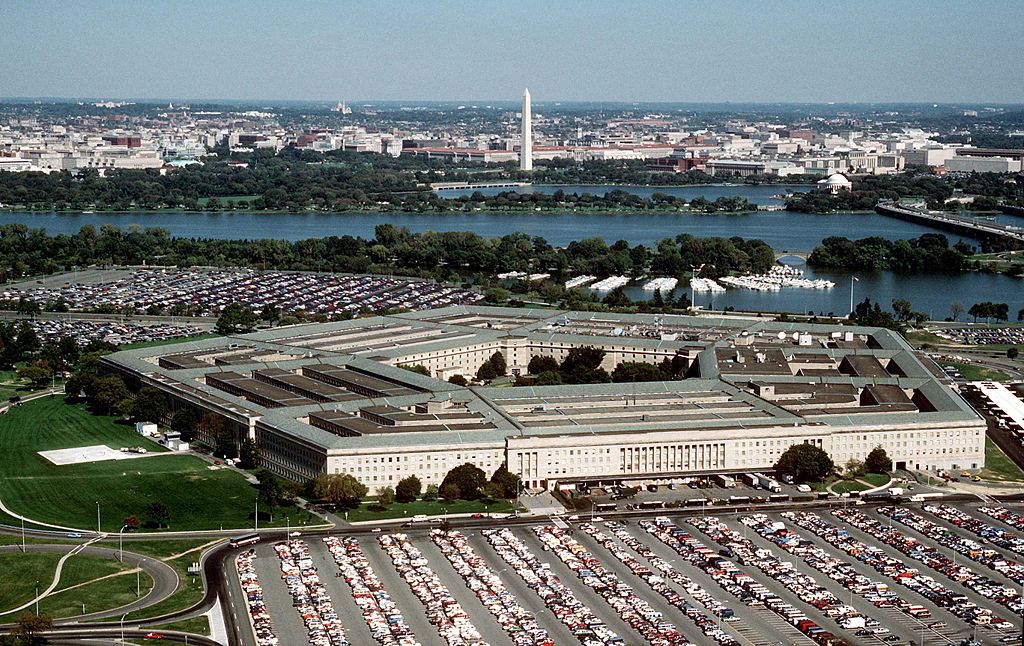
China is rapidly expanding and modernizing its nuclear weapons arsenal, with a draft Pentagon report warning that Beijing may have loaded more than 100 intercontinental ballistic missiles (ICBMs) across three newly developed silo fields near its border with Mongolia. The report, cited by Reuters, highlights rising concerns over China’s military ambitions and its apparent lack of interest in arms control negotiations with the United States and Russia.
According to the Pentagon’s assessment, China is deploying solid-fueled DF-31 ICBMs at a scale not previously disclosed, signaling a significant leap in its strategic capabilities. While the U.S. Department of Defense declined to comment on the draft findings, officials noted that the report could be revised before being submitted to lawmakers. The document did not specify potential targets for the newly placed missiles.
Independent analysts, including the Bulletin of the Atomic Scientists, have stated that China is expanding its nuclear stockpile faster than any other nuclear-armed nation. The Pentagon report estimates China’s nuclear warhead count to be in the low 600s in 2024, but projects it could exceed 1,000 warheads by 2030 despite a slower production rate in recent years.
China has strongly rejected claims of an aggressive military buildup, asserting that it maintains a defensive nuclear strategy and adheres to a no-first-use policy. Beijing’s embassy in Washington said such reports were attempts to mislead the international community and reaffirmed China’s moratorium on nuclear testing.
The report also underscores rising geopolitical tensions, particularly over Taiwan. It states that China believes it could fight and win a conflict over Taiwan by 2027 and is refining military options that could disrupt U.S. forces across the Asia-Pacific region.
These developments come as the New START treaty, the last major U.S.-Russia nuclear arms control agreement, nears expiration. Experts warn that the absence of renewed diplomacy could trigger a three-way nuclear arms race involving the United States, Russia, and China, increasing global security risks at a critical time.







