


 China Agrees to Buy 20 Million Tons of U.S. Coal
  US 10-Year Treasury Yield at 6% Emerges as New Market Risk Threshold
  Fed Unveils Stablecoin Rules Under GENIUS Act
  Japanese Yen Rebounds as Trump Flags Currency Weakness
  Trump, Xi Focus on Trade and AI at White House Summit
  Dollar Holds Near Two-Month High as Yen Approaches 160
  European Stocks Fall as Bond Yields and Geopolitical Risks Weigh
  Asian Stocks Fall as Bond Yields Surge Ahead of Trump-Xi Summit
  U.S. Dollar Hits Two-Month High as Oil, Treasury Yields Surge
  Oil Prices Fall on U.S.-Iran Hormuz Deal Hopes
  Mexico-US Trade Talks Delayed to October as Tariff Negotiations Continue
  Asian Stocks Fall as Surging Bond Yields Rattle Markets
  Gold Prices Fall as Treasury Yields Rise on Fed Rate Hike Bets
  Soybean Futures Slip as Traders Await Trump-Xi Trade Signals
  Fed’s Hammack Says Bond Yield Surge Is Not Driven by Inflation Fears
  Gold Holds Near $4,275 as Rising Treasury Yields Fuel Fed Rate Hike Bets
  Japanese Bank Stocks Surge as Bond Yields Fuel Rate Hike Bets


 Add as a preferred source on Google
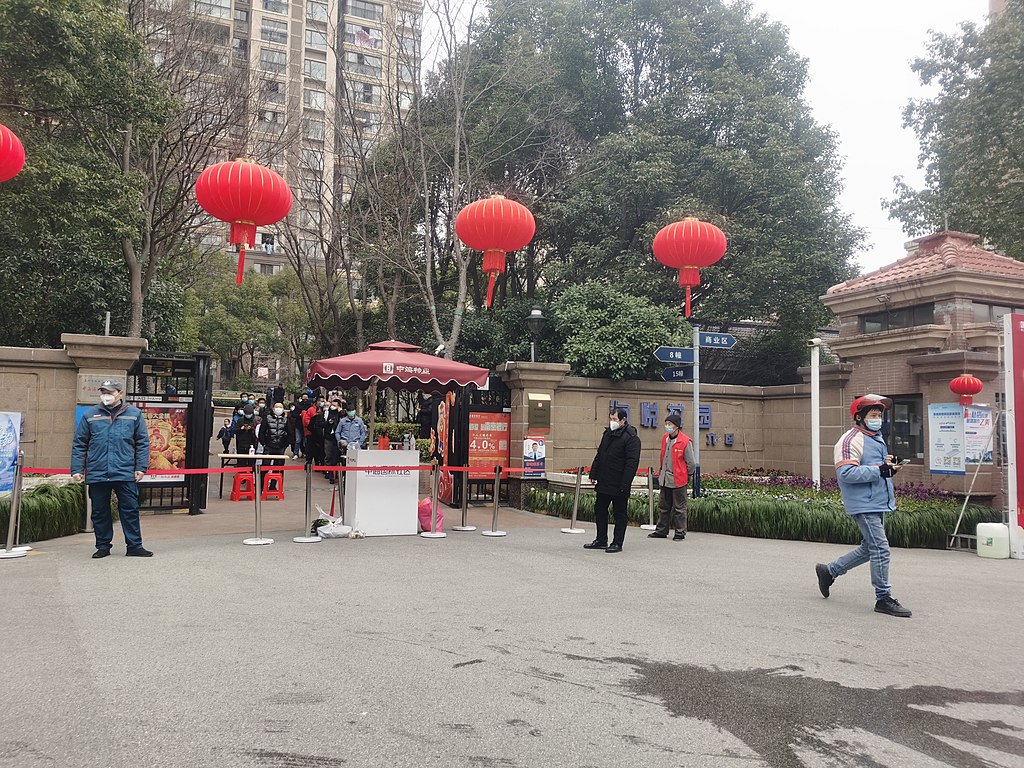
New home prices in China rose by 0.30% in May across 100 cities, nearly double April’s 0.14% increase, according to data from China Index Academy. The gain suggests recent government measures, including lower lending rates and broader macroeconomic support, may be helping stabilize the property market.
Despite prolonged pressure on real estate prices, particularly since 2023, this uptick indicates a possible turning point for the sector. The research institute noted that macro-level policy support has been intensifying, aiming to reinvigorate demand and bolster market confidence.
First- and second-tier cities led the price growth, with Shanghai recording the highest monthly increase among the 100 cities surveyed. On a year-over-year basis, average new home prices rose 2.56% in May, slightly higher than April’s 2.50% increase.
However, the second-hand housing market remains sluggish. Prices for pre-owned homes fell 0.71% month-over-month and 7.24% year-over-year, extending declines of 0.69% and 7.23% in April. The persistent oversupply of second-hand listings continues to suppress resale values.
Real estate has historically been a key driver of China’s economy, once contributing around 25% to GDP and comprising approximately 70% of household wealth. Any sustained improvement in the housing market could help offset broader economic challenges, including ongoing trade tensions with the U.S.
Official housing price figures from China’s National Bureau of Statistics are set to be released on June 16. Investors and analysts are watching closely for further signs of stabilization as policymakers double down on efforts to revive one of the country’s most critical economic pillars.







