


 Wall Street Falls as Treasury Yields Surge, Oil Rebounds on Iran Tensions
  European Stocks Fall as Bond Yields and Geopolitical Risks Weigh
  China’s ‘Lipstick King’ Says AI Won’t Replace Livestream Hosts
  Fed Unveils Stablecoin Rules Under GENIUS Act
  Asian Stocks Fall as Bond Yields Surge Ahead of Trump-Xi Summit
  Russian Envoy Dmitriev Heads to US for Ukraine Talks
  US 10-Year Treasury Yield at 6% Emerges as New Market Risk Threshold
  Trump, Xi Focus on Trade and AI at White House Summit
  Oil Prices Surge as U.S.-Iran Diplomacy Hopes Fade
  Asian Currencies Mixed as Dollar Holds Near Two-Month High
  Oil Prices Ease as Iran Tensions Clash With Diplomacy Hopes
  South Korea, US Discuss Warship Building Cooperation
  US Stock Futures Fall as Treasury Yields Surge Ahead of Trump-Xi Summit
  Gold Prices Fall as Treasury Yields Rise on Fed Rate Hike Bets
  Australia Unemployment Hits Five-Year High Despite Strong Jobs Growth
  U.S. Dollar Hits Two-Month High as Oil, Treasury Yields Surge
  RBI Uses $10 Billion Currency Swaps to Drain Excess Rupee Liquidity


 Add as a preferred source on Google
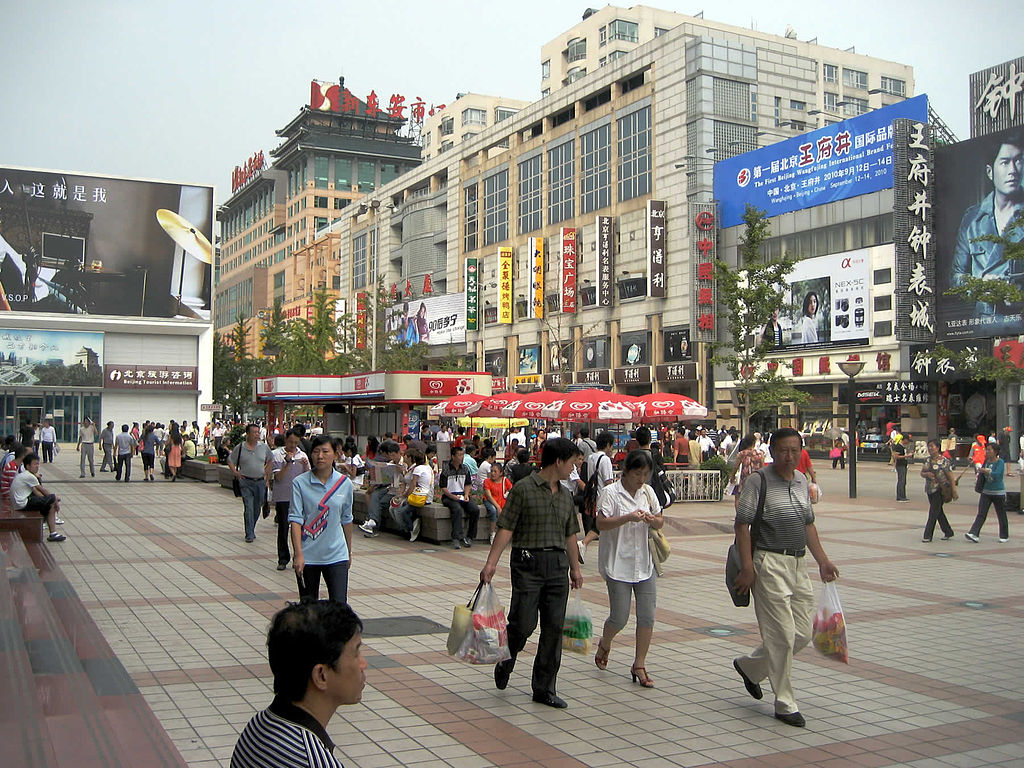
China's new home prices remained in negative territory in February, signaling that the country's struggling real estate market has yet to find its footing. According to data released by the National Bureau of Statistics and calculations by Reuters, prices declined 0.3% month-over-month — a slight improvement from the 0.4% drop recorded in January.
Despite this marginal easing, the broader trend remains deeply concerning for investors and policymakers alike. On a year-over-year basis, prices fell 3.2% in February, slightly steeper than the 3.1% annual decline seen the month prior. This persistent downward pressure underscores the ongoing challenges facing China's property sector, which has long been a key driver of the nation's economic growth.
The Chinese real estate market has been grappling with a prolonged crisis stemming from tightened government regulations, a liquidity crunch among major developers, and weakened buyer confidence. While authorities have introduced a series of stimulus measures aimed at stabilizing the housing market — including easing mortgage restrictions and lowering down payment requirements — these efforts have yet to produce a meaningful or sustained recovery in new home prices.
Analysts warn that a full turnaround in China's property market remains unlikely in the near term. Demand continues to be dampened by economic uncertainty, rising unemployment among younger demographics, and a general hesitancy among consumers to commit to large purchases. With several high-profile developers still navigating debt restructuring, the path to recovery appears gradual at best.
The latest figures serve as a reminder that China's real estate sector, despite incremental signs of stabilization, continues to face deep structural headwinds. Markets and economists will be closely monitoring upcoming monthly data for any clearer signs that government interventions are beginning to translate into a genuine and lasting price recovery.







