


 UK PM Burnham to Unveil Economic Vision at Labour Conference
  Trump, Xi Focus on Trade and AI at White House Summit
  US 10-Year Treasury Yield at 6% Emerges as New Market Risk Threshold
  U.S. Dollar Hits Two-Month High as Oil, Treasury Yields Surge
  Fed’s Hammack Says Bond Yield Surge Is Not Driven by Inflation Fears
  Oil Prices Jump 3% as Houthi Attack Revives Supply Fears
  Fed Unveils Stablecoin Rules Under GENIUS Act
  Asian Stocks Fall as Surging Bond Yields Rattle Markets
  Gold Prices Fall as Treasury Yields Rise on Fed Rate Hike Bets
  China Agrees to Buy 20 Million Tons of U.S. Coal
  RBI Uses $10 Billion Currency Swaps to Drain Excess Rupee Liquidity
  Dollar Falls as Oil Eases, Yen Jumps on Intervention Signals
  Germany’s 2026 Growth Outlook Strengthens on Fiscal Spending
  Mexico-US Trade Talks Delayed to October as Tariff Negotiations Continue
  Oil Prices Fall on U.S.-Iran Hormuz Deal Hopes
  Fed Unveils Stablecoin Rules Under GENIUS Act


 Add as a preferred source on Google
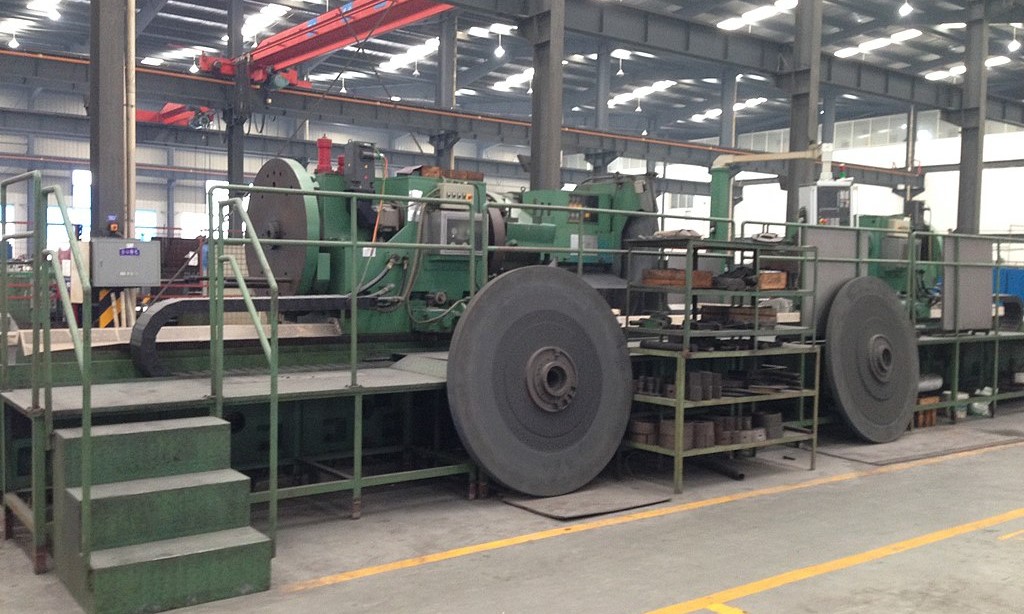
China’s manufacturing activity contracted more than expected in July, with official Purchasing Managers’ Index (PMI) data showing a reading of 49.3, below forecasts of 49.7. A PMI reading under 50 signals contraction, marking the sector’s fourth consecutive monthly decline.
The National Bureau of Statistics attributed the downturn to seasonal factors and extreme weather conditions, including widespread flooding and intense heatwaves that disrupted industrial operations across major regions. Despite signs of recovery in June following a trade agreement with the United States, July’s figures highlight ongoing challenges for the world’s second-largest economy.
Trade tensions remain a key drag, with Chinese exports to the U.S. still facing tariffs of around 50%. Global demand has also softened amid broader economic uncertainty tied to U.S. trade policies, further pressuring China’s export-driven industries.
Domestic demand has shown little improvement, with recent stimulus measures from Beijing providing only temporary relief. However, the Chinese Politburo signaled plans to intensify economic support in the coming months, raising expectations of further monetary and fiscal easing to stabilize growth.
The slowdown extended beyond manufacturing. China’s non-manufacturing PMI fell to 50.1 in July, down from 50.5 in June and slightly below expectations of 50.3. The composite PMI, which combines manufacturing and services, also weakened to 50.2 from 50.7, reflecting tepid overall economic momentum.
The latest data underscores the mounting challenges facing China’s economy as policymakers balance trade headwinds, weak domestic demand, and climate-related disruptions. Investors and analysts will be closely watching upcoming stimulus measures for signs of recovery in the second half of 2025.







