


 Asian Stocks Fall as Bond Yields Surge Ahead of Trump-Xi Summit
  Oil Prices Jump 3% as Houthi Attack Revives Supply Fears
  US Comfortable With Canada Trade Standoff as Import Bans Loom
  Japanese Bank Stocks Surge as Bond Yields Fuel Rate Hike Bets
  Asian Currencies Mixed as Dollar Holds Near Two-Month High
  US Stock Futures Fall as Treasury Yields Surge Ahead of Trump-Xi Summit
  Soybean Futures Slip as Traders Await Trump-Xi Trade Signals
  U.S. Dollar Hits Two-Month High as Oil, Treasury Yields Surge
  Canadian Dollar Faces Pressure as Fed-BoC Policy Gap Widens
  Fed Unveils Stablecoin Rules Under GENIUS Act
  Oil Prices Fall on U.S.-Iran Hormuz Deal Hopes
  Gold Prices Fall as Treasury Yields Rise on Fed Rate Hike Bets
  Wall Street Ends Flat as Oil, Treasury Yields and Fed Jitters Rattle Markets
  Japan Private-Sector Growth Slows as Domestic Demand Weakens
  European Stocks Fall as Bond Yields and Geopolitical Risks Weigh
  Japanese Yen Rebounds as Trump Flags Currency Weakness


 Add as a preferred source on Google
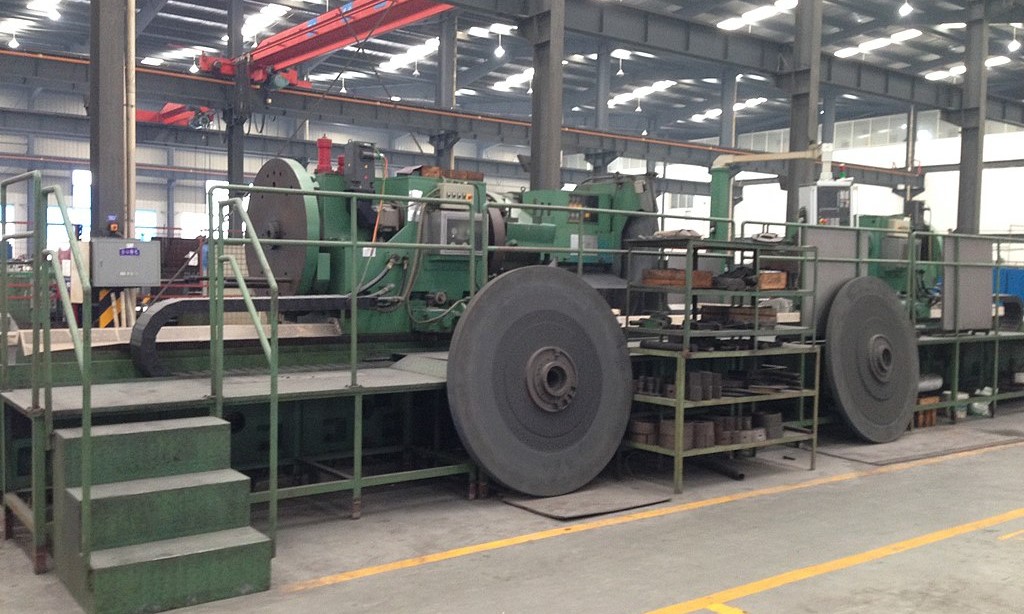
China’s manufacturing activity expanded at a slower pace in October, signaling persistent challenges for the world’s second-largest economy. The RatingDog Manufacturing Purchasing Managers Index (PMI)—previously known as the Caixin PMI—dropped to 50.6, down from 51.2 in September, and slightly below market expectations of 50.7. Despite the slowdown, the reading still indicates modest growth, as any figure above 50 suggests expansion.
The latest data contrasts with the official government PMI, which showed a contraction in factory activity. The divergence highlights the varying performance across China’s industrial landscape—while the government’s survey mainly tracks large, state-owned enterprises in northern regions, the RatingDog PMI focuses on smaller, privately owned firms in southern China. Together, these indices provide a more comprehensive view of the manufacturing sector’s overall health.
China’s factories continue to face mounting economic headwinds, including weak domestic demand, falling prices, and subdued consumer spending. Persistent disinflation and cautious business sentiment have dampened production and investment, putting pressure on both employment and profitability.
Investors are now turning their attention to Beijing’s upcoming 15th Five-Year Plan, which is expected to introduce new stimulus measures aimed at stabilizing growth and supporting industrial output. Analysts anticipate the plan will emphasize innovation, infrastructure investment, and financial aid for small and medium-sized enterprises.
While a recent U.S.-China trade agreement brought some relief—after Washington agreed to reduce certain tariffs—overall duties on Chinese exports remain high, around 50%, continuing to strain the country’s manufacturing competitiveness.
As China navigates these challenges, policymakers face the difficult task of balancing economic reform with short-term growth. The latest PMI results underscore the fragile recovery in China’s manufacturing sector and the urgent need for targeted policy support to revive momentum and restore investor confidence.







