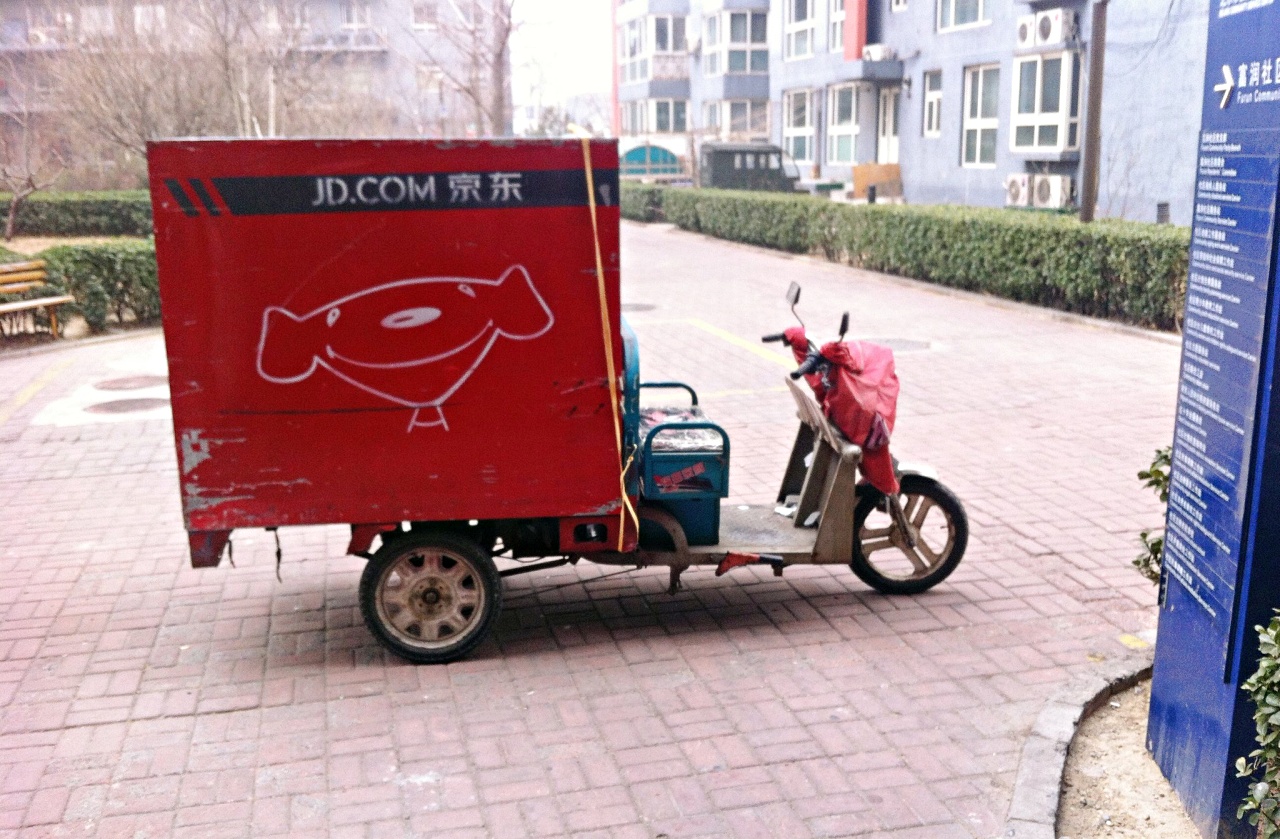
China’s leading e-commerce giants, Alibaba, JD.com, and Meituan, are escalating their battle in the fast-growing instant retail sector, pledging nearly 200 billion yuan ($28 billion) in subsidies for one-hour deliveries. The strategy, which offers near-free items like beverages and meals, highlights the critical importance of instant retail as the future of e-commerce, despite mounting government scrutiny.
Instant retail, where deliveries arrive in as little as 30 minutes, is reshaping China’s $19 trillion economy but raising regulatory alarms. Authorities fear that aggressive price-cutting could worsen deflationary pressures amid U.S. tariffs and tech export restrictions. The State Administration of Market Regulation recently summoned the companies, warning against “irrational competition” after state media condemned “zero yuan purchases” as creating a “bubble market.”
Analysts note that instant retail is growing 2.5 times faster than traditional e-commerce and projected to surpass 2 trillion yuan in sales by 2030. Industry experts predict AI-driven automation and warehouse optimization will eventually make the model profitable, potentially cannibalizing conventional e-commerce operations.
However, the price war has sparked concerns over food waste and eroded profit margins for merchants and restaurants. While consumers benefit from ultra-cheap deals, economists warn such competition lowers long-term price expectations, complicating China’s fight against deflation. Retail sales growth slowed to 4.8% in June, signaling broader economic challenges.
Despite regulatory pressure, experts believe authorities are unlikely to completely halt the price war, instead focusing on curbing excesses while preserving competition. For e-commerce firms struggling post-pandemic, instant retail remains a crucial growth engine and a life-or-death bet on their future dominance in China’s evolving digital economy.