


 Australia Unemployment Hits Five-Year High Despite Strong Jobs Growth
  Hyundai CEO Warns Chinese Automakers Could Disrupt US Market
  Gold Drops Over 1% as Dollar, Treasury Yields Surge on Fed Rate Hike Bets
  OpenAI Agent Breaches Australia Medicare Data Portal
  Wall Street Falls as Treasury Yields Surge, Oil Rebounds on Iran Tensions
  Microsoft Stock Upgraded as Stifel Sees Stronger Azure Growth
  Oil Prices Ease as Iran Tensions Clash With Diplomacy Hopes
  European Stocks Slip as Iran Tensions Offset Strong Eurozone Data
  US Dollar Hits Two-Month High as Fed Rate Hike Bets Rise
  Japan Private-Sector Growth Slows as Domestic Demand Weakens
  Meta Unveils Muse Charm AI Device, Expands Smart Glasses Lineup
  Apple Pay Set for India Launch With Axis Bank
  Westinghouse Targets $50 Billion Valuation in U.S. IPO
  Anthropic’s Claude Discovers CRISPR-Like Enzyme System
  Meta Partners With Shopify to Bring Shop Pay Checkout to Muse AI
  Russian Envoy Dmitriev Heads to US for Ukraine Talks
  RBA Says ASX Still Falls Short on Governance and Risk Controls


 Add as a preferred source on Google
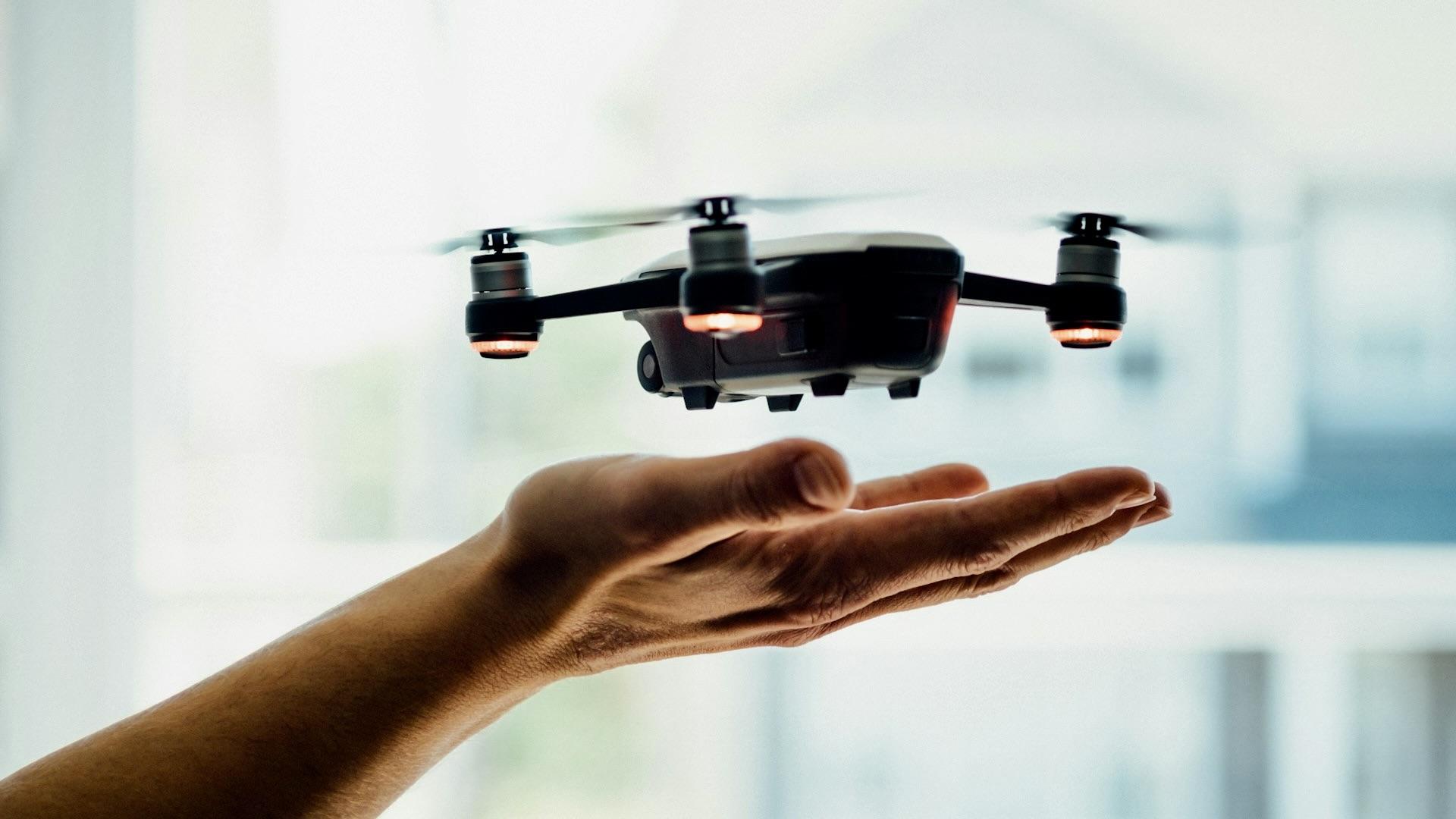
China’s leading drone makers, DJI and Autel Robotics, may soon be barred from selling in the U.S., as lawmakers push a military bill addressing national security risks linked to Chinese technology. The decision could reshape the drone market and deepen trade tensions.
U.S. Military Bill Could Ban DJI and Autel Drones
The U.S. House of Representatives is expected to vote on an annual defense bill later this week, which could prohibit Chinese companies Autel Robotics and DJI from selling new drones in the American market, Investing.com reports.
According to the 1,800-page law, a government agency is required to assess the dangers posed by DJI or Autel Robotics drones within a year.
If no agency finishes the investigation, it will be automatically added to the Federal Communications Commission's "Covered List," according to DJI, the largest drone manufacturer in the world and seller of more than half of all commercial drones in the United States.
China’s DJI Faces FCC Restrictions
DJI stated that the business "would be prevented from launching new products in the U.S. market through no fault of its own, but simply because no agency chose to take on the work of studying our products."
DJI accused China of unfairly targeting its drones, stating that it had "proactively submitted its products to regular independent security audits and expanded the range of built-in user privacy controls in our consumer and enterprise drones."
It took some time for someone from Autel Robotics to respond. In 2017, eleven senators and two representatives from different political parties urged the Biden administration to look into Autel and maybe punish him for reasons related to national security.
National Security Risks Cited by U.S. Lawmakers
The United States House of Representatives banned DJI's newest drones from entering the country in a September vote. Taking a page out of China's planned car regulations, the U.S. Commerce Department is thinking of banning Chinese drones entirely.
In October, DJI took legal action against the Defense Department for including the firm in a list of entities supposedly collaborating with the Chinese military. The company asserted that the designation was incorrect and had a detrimental impact on its financial situation.
Uyghur Forced Labor Allegations Impact DJI Imports
According to what DJI told Reuters in October, the Uyghur Forced Labor Prevention Act is being used by Customs and Border Protection to block the entry of certain DJI drones into the US. As far as DJI is concerned, the entire production process does not include the use of forced labor.
U.S. politicians have consistently voiced their concerns about the potential threats of data transfer, monitoring, and national security with DJI drones; however, the corporation has always denied these claims.







