


 South Korea, US Discuss Warship Building Cooperation
  Japan Private-Sector Growth Slows as Domestic Demand Weakens
  Asian Currencies Muted as Dollar Firms Ahead of Trump-Xi Summit
  Goldman Sachs Names Simon Lyons UK Investment Banking Co-Head
  Russian Envoy Dmitriev Heads to US for Ukraine Talks
  CNN, MS NOW and Politico Sue Trump Over White House Media Ban
  Telix to Acquire Germany’s ITM in $1.65 Billion Radiopharma Deal
  Mexico-US Trade Talks Delayed to October as Tariff Negotiations Continue
  Gold Prices Rise as Oil Slump Eases Fed Rate Hike Fears
  Oil Prices Rise as U.S.-Iran Talks Fuel Diplomacy Hopes
  Prysmian, Rio Tinto Supply Low-Carbon Cables for Amazon Ohio Data Center
  Anthropic’s Claude Discovers CRISPR-Like Enzyme System
  Mercedes-Benz Eyes €800 Million Labor Cost Cuts in Germany
  Asian Stocks Mixed Ahead of Trump-Xi Meeting
  SoftBank Raises $11.1 Billion in Bond Sale to Fund OpenAI Investment
  Vietnam, US Trade Deal Could Be Signed Soon, To Lam Says
  Oil Prices Ease as Iran Tensions Clash With Diplomacy Hopes


 Add as a preferred source on Google
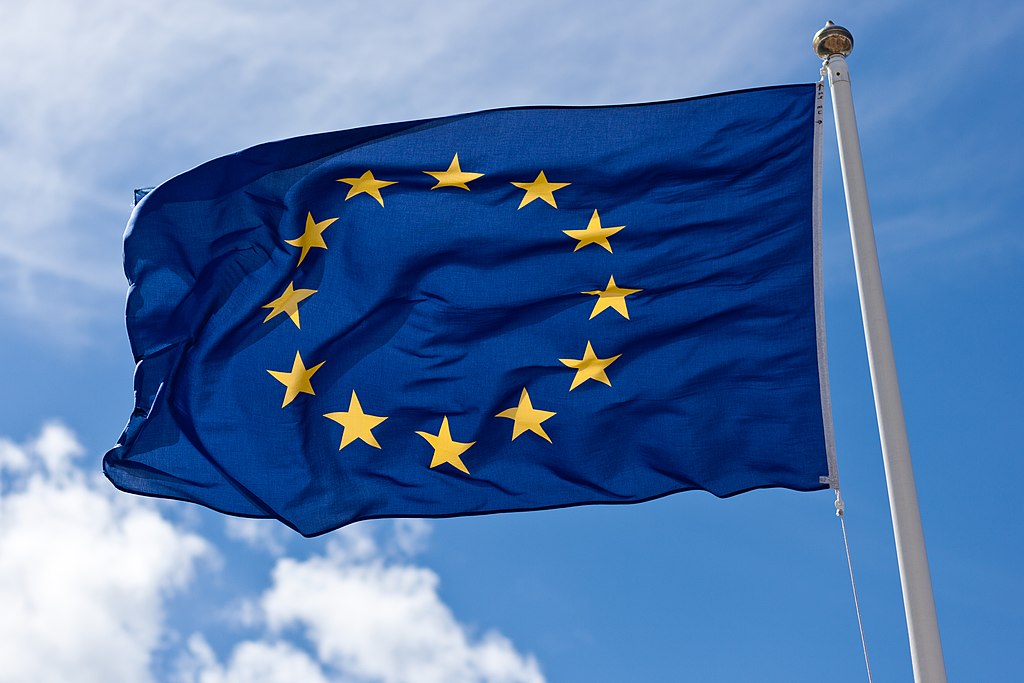
The European Union (EU) has approved a new €4.2 billion payment for Ukraine, marking another substantial contribution to the war-torn nation's economic stability as it continues its resistance against Russian aggression. The announcement, made Monday by the EU Council, underscores the bloc's ongoing support for Ukraine amidst the protracted conflict.
This installment forms part of the EU's broader Ukraine Facility, a mechanism designed to channel funds into Ukraine’s economy. With significant backing from the G7 nations, including an overall commitment of $50 billion, the program is partly serviced by profits from frozen Russian assets in Western nations.
Ukraine’s Fight for Economic and Military Stability
The latest financial aid aims to stabilize Ukraine’s economy and maintain critical public services amid ongoing military operations. Since Russia’s invasion in February 2022, Ukraine has relied heavily on external financial support to fund its defense efforts and sustain essential infrastructure.
This funding aligns with broader international efforts. The G7, which includes the world's largest economies, has pledged significant financial backing, and the EU’s payment is just the latest in a series of economic lifelines offered to Kyiv.
Analysts suggest the EU’s decision not only reinforces its geopolitical commitment but also reflects the bloc’s determination to ensure Ukraine's long-term survival as a sovereign state.
Tension Over Russian Assets and Their Utilization
A key point of contention remains the role of frozen Russian assets in funding Ukraine’s recovery. The G7 nations have already earmarked the profits from these assets for assistance, raising questions about the legal and political implications of utilizing such funds.
Some critics argue that leveraging these assets could set a dangerous precedent in international finance. Conversely, proponents view it as a justified move, holding Russia accountable for its actions in Ukraine.
The European Council has yet to confirm whether additional payments beyond the €4.2 billion will also draw from this controversial source. Analysts believe further decisions could significantly impact global financial markets and international relations.
Netizens React to the Controversial Aid Package
As news of the EU’s latest commitment spread online, opinions on social media varied widely:
- @EuroObserver: “€4.2 billion more to Ukraine? Necessary support or reckless spending? Europe’s priorities seem split. #UkraineAid”
- @PeaceAndPolicy: “It’s about time Russian assets served a purpose. This is accountability in action. #StandWithUkraine”
- @GlobalEconomicView: “How long will EU taxpayers foot the bill for Ukraine? Frozen Russian assets are not enough. #EUUkraine”
- @JusticeForUkraine: “Every euro counts in stopping Russia’s aggression. Kudos to the EU for staying the course. #SupportUkraine”
- @CriticOfWars: “This war seems endless. Couldn’t this money be spent on Europe’s struggling economies instead? #WarFatigue”
- @ProUkraine2024: “The €4.2 billion decision shows Europe’s commitment to Ukraine’s freedom. History will remember this moment. #UkraineStrong”
Looking Ahead: The Broader Implications
The EU’s financial aid signals a strong commitment to Ukraine, but questions remain over sustainability and public perception. As the conflict drags on, the bloc will face increasing scrutiny over its allocation of resources, especially with rising inflation and economic challenges within member states.







