


 Thailand Inflation Remains Negative for 10th Straight Month in January
  Vietnam’s Trade Surplus With US Jumps as Exports Surge and China Imports Hit Record
  Dollar Near Two-Week High as Stock Rout, AI Concerns and Global Events Drive Market Volatility
  Mexico's Undervalued Equity Market Offers Long-Term Investment Potential
  BOJ Rate Decision in Focus as Yen Weakness and Inflation Shape Market Outlook
  India–U.S. Interim Trade Pact Cuts Auto Tariffs but Leaves Tesla Out
  Silver Prices Plunge in Asian Trade as Dollar Strength Triggers Fresh Precious Metals Sell-Off
  RBI Holds Repo Rate at 5.25% as India’s Growth Outlook Strengthens After U.S. Trade Deal
  Dollar Steadies Ahead of ECB and BoE Decisions as Markets Turn Risk-Off
  Elliott Investment Management Takes Significant Stake in BP to Push for Value Growth
  Federal Reserve Faces Subpoena Delay Amid Investigation Into Chair Jerome Powell
  Fed Governor Lisa Cook Warns Inflation Risks Remain as Rates Stay Steady
  China Extends Gold Buying Streak as Reserves Surge Despite Volatile Prices
  Asian Stocks Slip as Tech Rout Deepens, Japan Steadies Ahead of Election
  BOJ Holds Interest Rates Steady, Upgrades Growth and Inflation Outlook for Japan
  Insignia Financial Shares Hit 3-Year High Amid Bain and CC Capital Bidding War


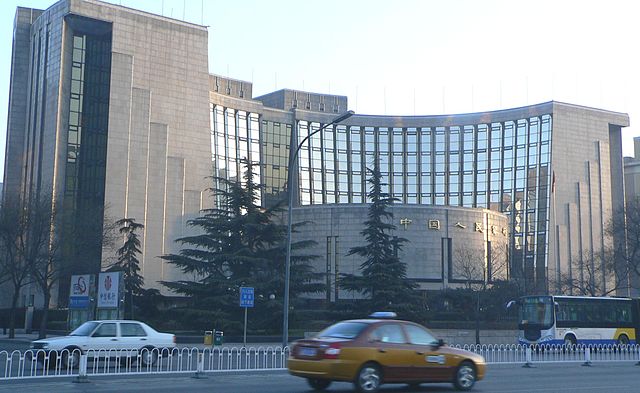
China has unveiled new measures to bolster its weakening yuan, signaling a firm commitment to currency stability. On Monday, the People's Bank of China (PBOC) announced plans to increase its foreign exchange reserves in Hong Kong and ease offshore borrowing limits for companies to enhance capital flows and attract more foreign exchange.
The yuan, trading near a 16-month low at 7.3318 per dollar, has faced mounting pressure since the U.S. election in November. Concerns over trade tariffs and declining Chinese bond yields have exacerbated the currency’s struggles, prompting the PBOC to act.
PBOC Governor Pan Gongsheng emphasized the importance of stability, stating the central bank would significantly boost reserve allocations in Hong Kong. Though details remain unclear, China’s foreign reserves, totaling $3.2 trillion as of December, provide a critical buffer.
Efforts to curb yuan speculation continue, with authorities cautioning against market manipulation. Analysts view these moves, including tighter bond purchase controls and the issuance of bills in Hong Kong, as steps to counter downward pressure while maintaining economic liquidity.
China's actions come amid broader economic uncertainties. Exports surged in December, partly due to preemptive shipments ahead of potential trade risks under the Trump administration. Despite this, fears of slowing growth persist, further straining the yuan.
According to ING economist Lynn Song, "Currency stability remains a priority, ensuring the PBOC can defend the yuan if market conditions demand."
Hong Kong plays a pivotal role in supporting the yuan, with its dynamic market facilitating foreign exchange activities. Natixis economist Gary Ng highlighted Hong Kong’s significance in trading and investments, reinforcing its strategic importance for stabilizing the yuan.
China’s multifaceted approach reflects its delicate balancing act—stimulating growth, managing liquidity, and defending its currency against global headwinds.













