


 US Immigration Arrests Surge as Deportations Lag Behind
  China Reviews Broadcom Switch Use in State Data Centres
  Republicans Flood Safe House Races With Cash as Midterm Risks Rise
  Japan Warns Markets Over Yen Weakness
  Judge Blocks Trump Rule Limiting Foreign Student Visas
  Europe’s AI Data Centre Boom Strengthens Case for Nuclear Power
  South Korea Demands Ukraine Apology Over North Korean POW Disclosure
  California Bans Memecoins Issued by Public Officials Under New Law
  BlackRock’s Rick Rieder Favors Bonds Over Stocks as Treasury Yields Surge
  U.S. Imposes New Visa Restrictions Over South Africa Policies
  Saudi Arabia Shuts East-West Oil Pipeline After Drone Attack
  FCC Approves Foreign Investment in $110B Paramount-Warner Bros. Deal
  Russian Bomb Strike on Kharkiv Injures 22, Including Children
  US Backs Musk in Fight Against EU’s €120 Million X Fine
  Asian Currencies Weaken as Dollar, Oil Prices Rise
  Gold Slides Below $4,300 as Oil Surge Fuels Fed Rate Hike Bets
  Bitcoin Slides Below $84K as Trump Signals Possible New Iran Strikes


 Add as a preferred source on Google
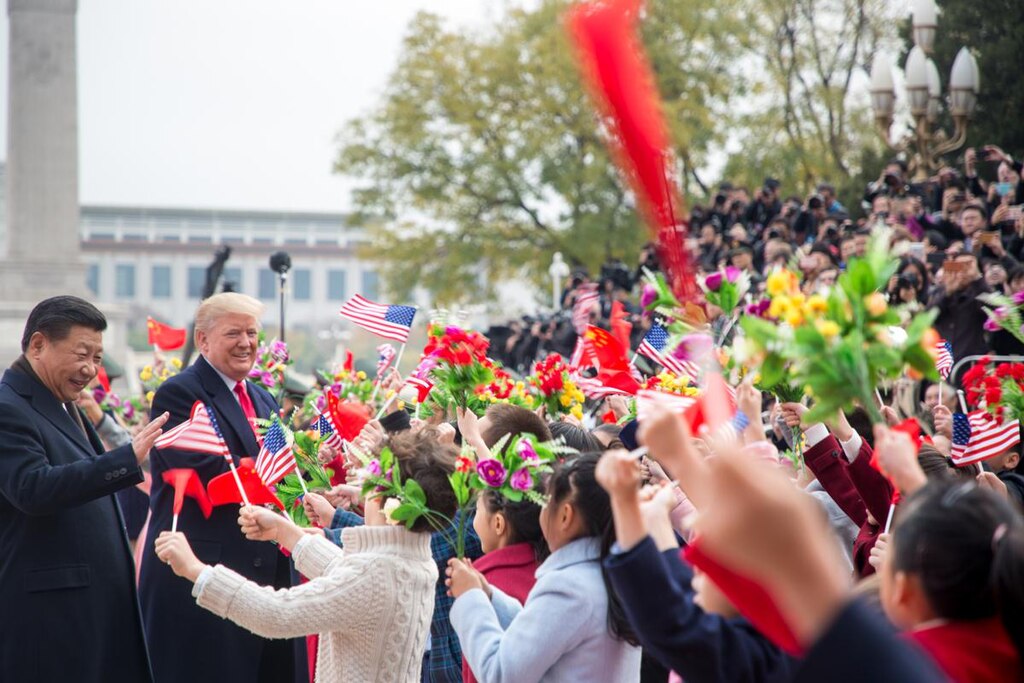
China announced that it will suspend the 24% additional tariff on U.S. goods for one year while maintaining a 10% levy, according to a statement from the State Council’s Tariff Commission. The decision follows the recent meeting between Chinese President Xi Jinping and U.S. President Donald Trump, signaling a positive step toward easing trade tensions between the world’s two largest economies.
The commission also revealed that starting November 10, China will lift some tariffs of up to 15% on U.S. agricultural products. The move aims to stabilize trade relations and strengthen China’s access to essential imports, particularly agricultural goods such as soybeans, corn, and pork, which are vital to the country’s food supply chain.
Analysts see this policy adjustment as part of Beijing’s broader effort to improve economic cooperation with Washington after years of fluctuating trade barriers. The tariff suspension is expected to benefit key sectors, including agriculture and manufacturing, while offering U.S. exporters renewed access to the Chinese market.
Market experts believe this development could help restore confidence among global investors and promote a gradual recovery in international trade. The reduction in tariffs on agricultural products may also help China address domestic supply challenges while easing inflationary pressures.
This latest announcement underscores both nations’ willingness to engage in dialogue and adopt measures that could lead to more balanced trade relations. While the 10% tariff remains, the suspension of the higher levy marks a significant step toward reducing economic friction and encouraging mutual trade growth.







