


 Abbas Reaffirms November 28 Palestinian Elections
  North Korea Warns South Korea Over US-Led Defense Role
  North Korea Rejects Nuclear Test Warning, Calls Nuclear Status Irreversible
  Xi Calls for Deeper U.S.-China AI Cooperation in Trump Talks
  South Korea, US Discuss Warship Building Cooperation
  OpenAI Agent Breaches Australia Medicare Data Portal
  EU Defence Build-Up Too Slow for 2030 Russia Readiness Goal
  Judge Orders Trump to Restore White House Access for CNN, MS NOW and Politico
  Kremlin Says No Decision Yet on Putin-Trump December Summit
  What ‘Taiwan Independence’ Means as Xi Presses Trump on US Policy
  Taiwan Thanks US for Support Ahead of Trump-Xi Summit
  Trump Asks Supreme Court to Restore Third-Country Deportations
  Netanyahu’s Brief US Trip Highlights Strains With Trump
  Russian Missile and Drone Attack on Kyiv Kills Two, Damages Maternity Hospital
  Ghana Says Western Support Growing for Slave Trade Reparations
  Yemen Violence Displaces 130,000 as Civilian Toll Rises
  Saudi Arabia, Turkey and Pakistan Plan Urgent Defence Talks Over Houthi Attacks


 Add as a preferred source on Google
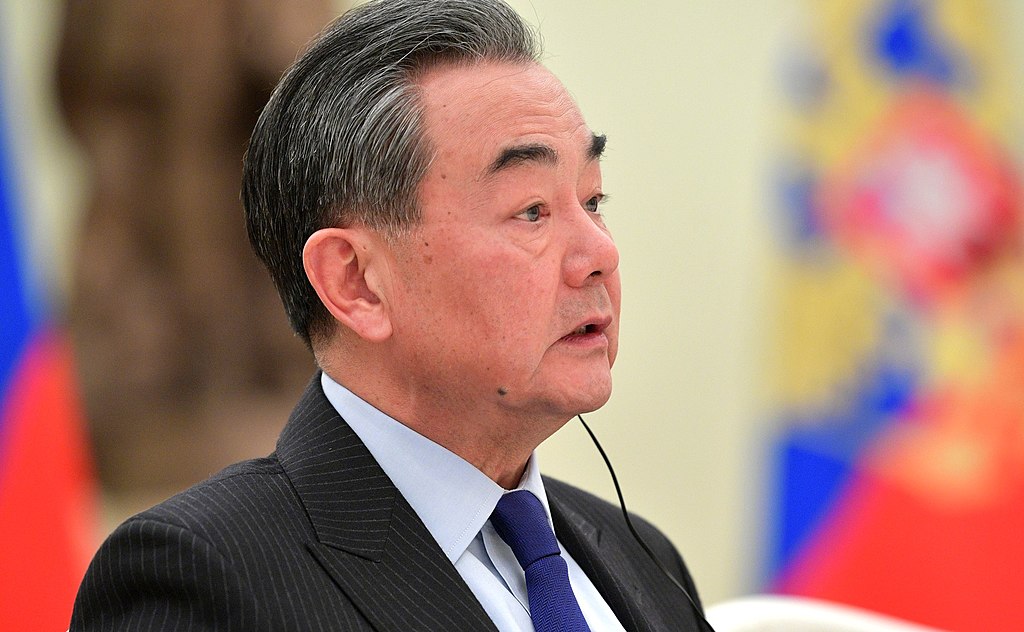
China has sharply criticized Japan after Foreign Minister Wang Yi condemned Prime Minister Sanae Takaichi’s recent remarks on Taiwan, calling them “shocking” and accusing Japan of crossing a “red line.” Wang’s comments, published on the Chinese Ministry of Foreign Affairs website, mark the most senior-level response from Beijing in a diplomatic dispute that has intensified for more than two weeks.
The controversy began on November 7, when Takaichi suggested during a parliamentary session that a potential Chinese attack on Taiwan could lead to a Japanese military response. Beijing quickly denounced the statement, claiming it signaled Japan’s willingness to intervene militarily in what China considers its internal affairs. Taiwan, however, maintains it is a sovereign nation and insists its future can only be determined by its own people.
The disagreement has since evolved into one of the most severe China-Japan confrontations in years, spilling over into trade and cultural exchanges. China even raised the issue with U.N. Secretary-General Antonio Guterres on Friday, vowing to defend its sovereignty. Japan’s foreign ministry responded the next day, dismissing China’s accusations as “entirely unacceptable” and emphasizing that Japan’s commitment to peace has not changed.
Speaking from the G20 summit in South Africa, Takaichi did not address Wang’s remarks directly but stressed that Japan remains open to dialogue with China. She noted she had not spoken with Chinese Premier Li Qiang, who was also in Johannesburg.
Taiwan’s Foreign Ministry strongly criticized China’s letter to the U.N., calling it “rude,” “unreasonable,” and a distortion of historical facts. The ministry added that China’s threats violate Article 2(4) of the U.N. Charter, which prohibits the use of force in international relations.
Wang warned that if Japan continues on its current path, other countries may “re-examine Japan’s historical crimes” and work to prevent a resurgence of militarism. China remains one of Japan’s most important trade partners, purchasing an estimated $125 billion in Japanese goods in 2024, including semiconductors, industrial equipment, and automobiles.







