


 Trump Asks Supreme Court to Restore Third-Country Deportations
  Netanyahu Takes Aim at Mamdani as Israel Election Nears
  Europe Warns Russia Is Escalating Hybrid Attacks Across NATO
  US Invites Putin to Miami G20, Opening Door to Trump Summit
  US Officials Split Over Response to Israeli West Bank Settlements
  Judge Orders Trump to Restore White House Access for CNN, MS NOW and Politico
  South Korea, US Discuss Warship Building Cooperation
  Gaza Faces Evacuation Crisis as War-Damaged Buildings Risk Collapse
  US, China Extend Trade Truce to Jan. 10 Ahead of Trump-Xi Summit
  Sudan Rejects US Legitimacy Remarks, Defends Sovereignty
  Kremlin Says No Decision Yet on Putin-Trump December Summit
  Pezeshkian Says US Must Choose When Iran War Ends
  Mexico-US Trade Talks Delayed to October as Tariff Negotiations Continue
  Taiwan Thanks US for Support Ahead of Trump-Xi Summit
  Netanyahu’s Brief US Trip Highlights Strains With Trump
  Abbas Reaffirms November 28 Palestinian Elections
  Ghana Says Western Support Growing for Slave Trade Reparations


 Add as a preferred source on Google
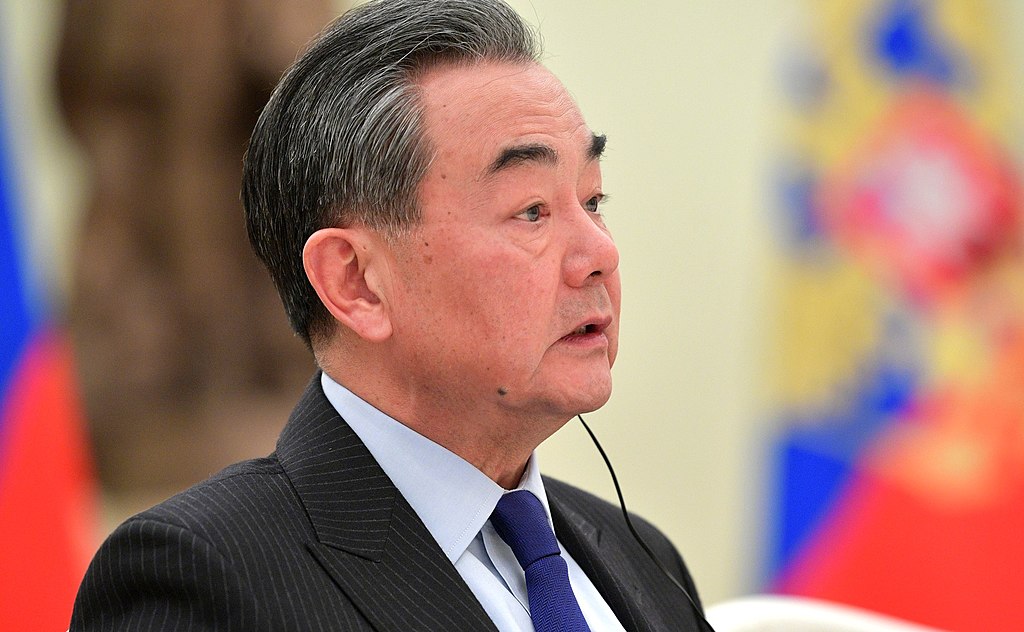
China’s Foreign Minister Wang Yi has urged developing nations to stand against “unilateral bullying,” a clear criticism of the United States' aggressive trade policies. Speaking at a roundtable of diplomats and scholars from the Global South, Wang emphasized that power politics and protectionism are eroding international norms and creating global divisions.
Without directly naming the U.S., Wang’s remarks targeted President Donald Trump’s decision to impose sweeping tariffs on trade partners. Trump’s April 2 announcement of “reciprocal” tariffs has hit China hardest, with a staggering 145% duty on Chinese imports. Although some tariffs on other countries have been delayed by 90 days, those targeting China remain intact, prompting retaliation from Beijing.
China is ramping up its diplomatic campaign, pressing nations like Vietnam and Cambodia—facing U.S. tariffs of 46% and 49% respectively—to reject what it calls unfair U.S. trade practices. President Xi Jinping personally delivered this message during recent visits to Southeast Asia.
In a further move, China is organizing an informal United Nations Security Council meeting on April 23 to publicly challenge the U.S. tariff policy, describing it as economic bullying. The meeting invitation criticizes the U.S. for imposing unilateral trade barriers that threaten global economic stability.
Some U.S. allies, such as Japan, have begun negotiating with Washington to seek relief from the tariffs. However, China maintains that any dialogue must begin with mutual respect and fairness.
Trump, meanwhile, hinted at a possible tariff rollback, acknowledging that excessive duties could harm consumer demand. “At a certain point, people aren’t gonna buy,” he said, suggesting he may scale back on further tariff hikes.
This escalating trade tension highlights the deepening rift between China and the U.S. amid a volatile global economic landscape.







