


 NATO Boosts Intelligence Sharing Amid Russia Hybrid Threats
  US Backs Musk in Fight Against EU’s €120 Million X Fine
  Taiwan Thanks US for Support Ahead of Trump-Xi Summit
  France Defends Netanyahu Airspace Clearance Despite ICC Warrant
  Trump, Xi Visit US National Archives After White House Summit
  Netanyahu Defends Israel at UN as Delegates Stage Walkout
  EU Defence Build-Up Too Slow for 2030 Russia Readiness Goal
  Netanyahu Takes Aim at Mamdani as Israel Election Nears
  Pezeshkian Says US Must Choose When Iran War Ends
  South Korea, US Discuss Warship Building Cooperation
  Netanyahu’s Brief US Trip Highlights Strains With Trump
  Kremlin Says No Decision Yet on Putin-Trump December Summit
  US Senate Rejects Iran War Powers Resolution in 50-49 Vote
  Trump Asks Supreme Court to Restore Third-Country Deportations
  Ukrainian Drone Attacks Hit Russian Regions, Injuring at Least 12
  Mexico-US Trade Talks Delayed to October as Tariff Negotiations Continue
  Yemen Violence Displaces 130,000 as Civilian Toll Rises


 Add as a preferred source on Google
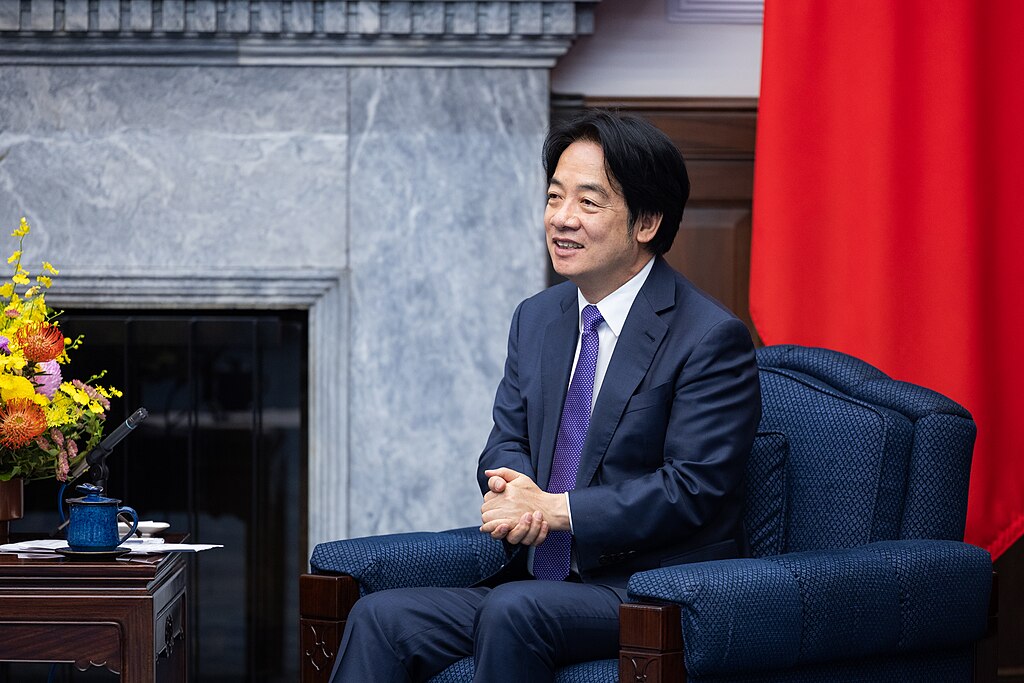
China sharply criticized Taiwanese President Lai Ching-te on Monday, accusing him of spreading “heresy” and inciting cross-strait tensions after he declared Taiwan is “of course” a country, backed by historical and legal proof.
Beijing, which claims Taiwan as its sacred and inalienable territory, condemned Lai’s remarks as a “Taiwan independence declaration,” calling them distorted and provocative. In a statement, China’s Taiwan Affairs Office said Lai’s comments were a “hodgepodge” of separatist falsehoods meant to promote an independence agenda and intensify confrontation with the mainland. It reiterated that Taiwan has never been a sovereign state and that Lai’s claims would be discarded “into the rubbish heap of history.”
In response, Taiwan’s Mainland Affairs Council defended Lai’s remarks as factual, asserting that the People’s Republic of China has never ruled the island. The council dismissed Beijing’s historical claim as a “fabricated lie” and emphasized the reality that the Republic of China continues to exist and that both sides of the Taiwan Strait “are not subordinate to each other.”
President Lai has repeatedly stated that Taiwan’s future must be determined solely by its people. He also reaffirmed that the PRC holds no legitimate authority over the island. Taiwan, officially known as the Republic of China since its government relocated there in 1949 after losing the Chinese civil war, has faced escalating military and political pressure from Beijing in recent years, including frequent military drills and political isolation campaigns.
Despite offering dialogue, Lai’s government has been rejected by Beijing, which labels him a separatist. The latest exchange underscores the ongoing tension and competing narratives over Taiwan’s status and future in the face of growing regional geopolitical friction.







