


 Russian Envoy Dmitriev Heads to US for Ukraine Talks
  Pezeshkian Says US Must Choose When Iran War Ends
  US Stock Futures Fall as Treasury Yields Surge Ahead of Trump-Xi Summit
  South Korea, US Discuss Warship Building Cooperation
  What ‘Taiwan Independence’ Means as Xi Presses Trump on US Policy
  RBI Uses $10 Billion Currency Swaps to Drain Excess Rupee Liquidity
  Trump, Xi Focus on Trade and AI at White House Summit
  US Backs Musk in Fight Against EU’s €120 Million X Fine
  European Stocks Fall as Bond Yields and Geopolitical Risks Weigh
  Dollar Holds Near Two-Month High as Yen Approaches 160
  Abbas Reaffirms November 28 Palestinian Elections
  Asian Stocks Fall as Bond Yields Surge Ahead of Trump-Xi Summit
  Kremlin Says No Decision Yet on Putin-Trump December Summit
  Sudan Rejects US Legitimacy Remarks, Defends Sovereignty
  NATO Boosts Intelligence Sharing Amid Russia Hybrid Threats
  Netanyahu Takes Aim at Mamdani as Israel Election Nears
  Fed Unveils Stablecoin Rules Under GENIUS Act


 Add as a preferred source on Google
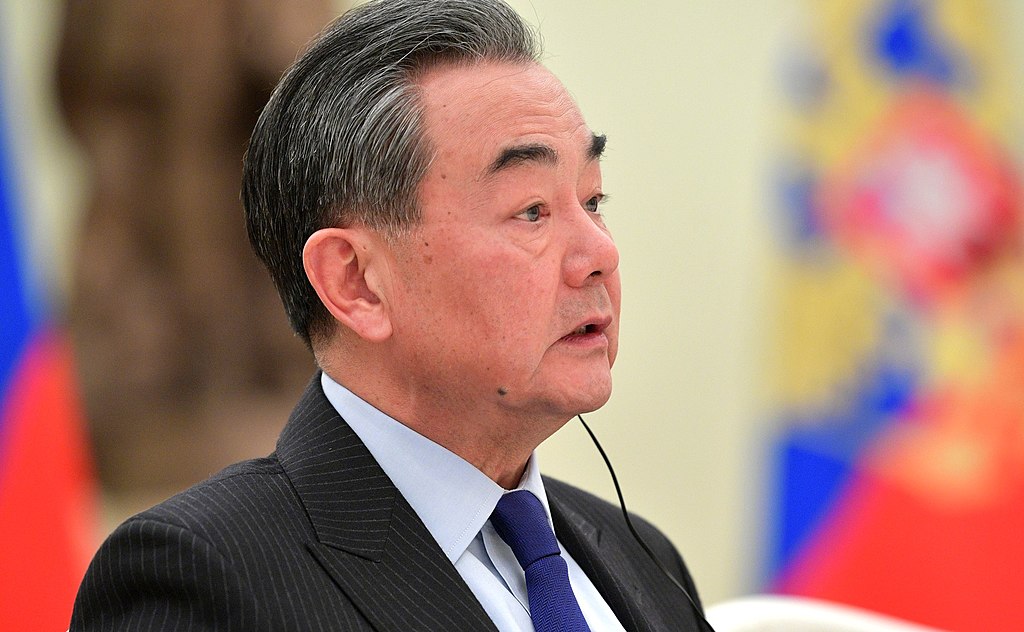
China has expressed a willingness to deepen cooperation with Canada while working to eliminate what it describes as “interference,” signaling a potential reset in bilateral relations after years of strain. The message was delivered by Chinese Foreign Minister Wang Yi during a meeting with Canadian Foreign Minister Anita Anand in Beijing on Thursday, according to statements cited by Canada’s prime minister’s office.
The comments came shortly after Canadian Prime Minister Mark Carney arrived in the Chinese capital for a four-day state visit, marking the first official visit by a Canadian head of government to China in nearly a decade. During the trip, Carney is scheduled to meet Chinese Premier Li Qiang later Thursday and President Xi Jinping on Friday, underscoring the importance both sides appear to place on restoring dialogue at the highest levels.
Wang told Anand that China is prepared to enhance communication, build mutual trust, remove obstacles to cooperation, and strengthen bilateral ties in a way that keeps relations “steady, substantive and robust.” Anand responded by emphasizing Canada’s commitment to continued progress in both the short and long term, highlighting the potential benefits for citizens in both countries.
Canada–China relations have been strained since 2017, with diplomatic tensions flaring periodically. A notable recent dispute followed the Canadian government’s decision in 2024 to impose tariffs on Chinese electric vehicles, mirroring similar measures taken by the United States. Beijing responded in March with retaliatory tariffs on more than $2.6 billion worth of Canadian agricultural and food products, including canola oil and meal.
The trade dispute had a measurable economic impact. Chinese customs data released this week showed that imports of Canadian goods fell by 10.4% in 2025, reflecting the broader consequences of the tariff battle.
Recent diplomatic engagement suggests both countries are now seeking to turn the page. Momentum for re-engagement has also been driven by Canada’s desire to diversify export markets amid heightened trade friction with the United States. U.S. President Donald Trump’s tariffs on Canadian goods last year, along with controversial remarks about Canada’s status, have added urgency to Ottawa’s efforts to strengthen economic and diplomatic ties with other major partners, including China.







