


 OpenAI Expands Enterprise AI Strategy With Major Hiring Push Ahead of New Business Offering
  Palantir Stock Jumps After Strong Q4 Earnings Beat and Upbeat 2026 Revenue Forecast
  Elon Musk’s Empire: SpaceX, Tesla, and xAI Merger Talks Spark Investor Debate
  Nvidia CEO Jensen Huang Says AI Investment Boom Is Just Beginning as NVDA Shares Surge
  Sony Q3 Profit Jumps on Gaming and Image Sensors, Full-Year Outlook Raised
  Anthropic Eyes $350 Billion Valuation as AI Funding and Share Sale Accelerate
  Nvidia Confirms Major OpenAI Investment Amid AI Funding Race
  Amazon Stock Rebounds After Earnings as $200B Capex Plan Sparks AI Spending Debate
  SpaceX Reports $8 Billion Profit as IPO Plans and Starlink Growth Fuel Valuation Buzz
  Oracle Plans $45–$50 Billion Funding Push in 2026 to Expand Cloud and AI Infrastructure
  SoftBank Shares Slide After Arm Earnings Miss Fuels Tech Stock Sell-Off
  TSMC Eyes 3nm Chip Production in Japan with $17 Billion Kumamoto Investment
  SpaceX Prioritizes Moon Mission Before Mars as Starship Development Accelerates
  Global PC Makers Eye Chinese Memory Chip Suppliers Amid Ongoing Supply Crunch
  SpaceX Updates Starlink Privacy Policy to Allow AI Training as xAI Merger Talks and IPO Loom
  Tencent Shares Slide After WeChat Restricts YuanBao AI Promotional Links


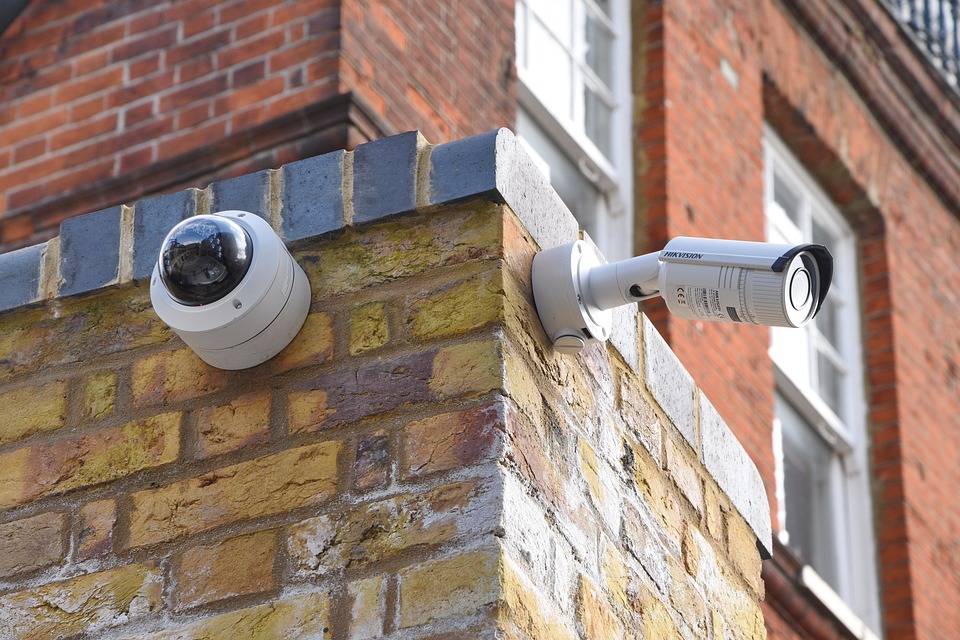
Tracking someone using the numerous cameras throughout major cities and with the help of advanced facial recognition technology might sound like the stuff of sci-fi movies. However, China recently proved that this is an actual thing that they can do. In a recent demonstration, for example, it took only seven minutes for authorities to find a reporter in the crowded nation.
The reporter was John Sudworth from the BBC and while the demonstration was simply to showcase the capabilities of the country’s authorities, it is still telling in how much surveillance the nation actually conducts. China has been investing heavily in building its CCTV system, with 170 million cameras already installed and an additional 400 million planned by 2020.
“China has been building what it calls "the world's biggest camera surveillance network". Across the country, 170 million CCTV cameras are already in place and an estimated 400 million new ones will be installed in the next three years,” the video’s caption reads.
“Many of the cameras are fitted with artificial intelligence, including facial recognition technology. The BBC's John Sudworth has been given rare access to one of the new hi-tech police control rooms.”
In the demo, authorities basically flagged the image of Sudworth, which effectively launched a countrywide search for the reporter. Seven minutes might not seem like much, but considering China’s population, the size of its cities, and the number of foreigners in the country, it’s an impressive feat.
This display also shows how capable the nation’s authorities have become at monitoring the people within its borders. The country’s leaders have argued that the technology is being used strictly to help with police investigations and the like, but many are concerned that it could be abused by the government, Futurism notes.
From a technological standpoint, there’s no denying that the system is impressive. However, there’s also no denying how close it is to the kind of Orwellian nightmare that many anti-government individuals have been spouting for decades.













