


 South Korea, US Discuss Warship Building Cooperation
  US 10-Year Treasury Yield at 6% Emerges as New Market Risk Threshold
  Gold Drops Over 1% as Dollar, Treasury Yields Surge on Fed Rate Hike Bets
  U.S. 10-Year Treasury Yield Hits 2007 High as Fed Rate Hike Bets Rise
  China’s ‘Lipstick King’ Says AI Won’t Replace Livestream Hosts
  Russian Envoy Dmitriev Heads to US for Ukraine Talks
  RBI Uses $10 Billion Currency Swaps to Drain Excess Rupee Liquidity
  Fed Unveils Stablecoin Rules Under GENIUS Act
  Australia Unemployment Hits Five-Year High Despite Strong Jobs Growth
  Oil Prices Surge as U.S.-Iran Diplomacy Hopes Fade
  Oil Prices Ease as Iran Tensions Clash With Diplomacy Hopes
  Soybean Futures Slip as Traders Await Trump-Xi Trade Signals
  Fed Unveils Stablecoin Rules Under GENIUS Act
  European Stocks Fall as Bond Yields and Geopolitical Risks Weigh
  European Stocks Slip as Iran Tensions Offset Strong Eurozone Data
  Mexico-US Trade Talks Delayed to October as Tariff Negotiations Continue
  Asian Stocks Fall as Bond Yields Surge Ahead of Trump-Xi Summit


 Add as a preferred source on Google
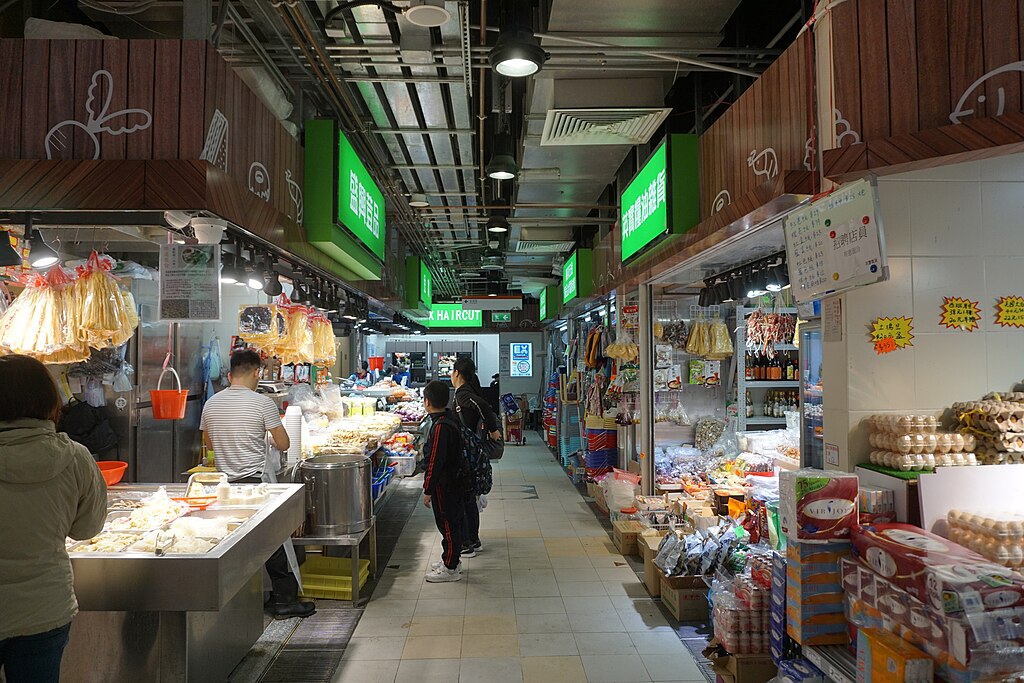
China’s consumer inflation slowed in June while producer prices climbed at their fastest annual pace in four years, highlighting uneven inflation trends and reinforcing expectations that policymakers may introduce further measures to support domestic demand.
Official data released on Thursday showed China’s consumer price index (CPI) increased 1.0% year-over-year in June, slightly below economists’ expectations of 1.1% and easing from the 1.2% rise recorded in May. On a monthly basis, CPI fell 0.3%, a steeper decline than the expected 0.2% drop, following May’s 0.1% decrease.
According to Capital Economics, the weaker consumer inflation was largely driven by lower energy costs, while core inflation also softened, suggesting that broader disinflationary pressures continue to weigh on the Chinese economy despite recent signs of stabilization.
Meanwhile, China’s producer price index (PPI) rose 4.1% from a year earlier in June, matching market forecasts and accelerating from May’s 3.9% increase. The latest reading marked the strongest annual producer inflation since July 2022, reflecting favorable base effects rather than broad-based price strength.
Despite the higher annual reading, factory-gate prices declined 0.3% from the previous month, the weakest monthly performance in a year after reaching a peak gain of 1.7% in April. Analysts noted that prices fell across most manufacturing sectors, particularly fuel processing and chemicals. Electronics stood out as a notable exception, with prices rising amid strong artificial intelligence-related demand that has fueled memory chip shortages.
The mixed inflation data underscores the challenges facing China’s economic recovery. While higher producer prices help ease concerns about persistent industrial deflation, subdued consumer inflation signals that household demand remains fragile.
Capital Economics also said the recent escalation in U.S.-Iran tensions could temporarily push inflation higher through energy markets. However, the firm expects any impact to remain limited to specific sectors, with inflation likely to move back toward near-zero levels once energy supply conditions stabilize.
The latest inflation figures are expected to keep pressure on Chinese authorities to introduce additional policy support aimed at boosting consumption and sustaining economic growth.







