


 What ‘Taiwan Independence’ Means as Xi Presses Trump on US Policy
  Kremlin Says No Decision Yet on Putin-Trump December Summit
  Netanyahu’s Brief US Trip Highlights Strains With Trump
  Saudi Arabia, Turkey and Pakistan Plan Urgent Defence Talks Over Houthi Attacks
  Novartis Shares Plunge After Muscle Drug Fails Phase III Trial
  Yemen Violence Displaces 130,000 as Civilian Toll Rises
  Hims & Hers Shares Fall as GLP-1 Costs Widen Q2 Loss
  Najib Razak Seeks Stay of 15-Year 1MDB Prison Sentence
  Abbas Reaffirms November 28 Palestinian Elections
  France Battles Mediterranean Wildfires as Heatwave Fuels Fire Risk
  U.S. Issues Cuba Health Alert as Illnesses Rise
  OpenAI Agent Breaches Australia Medicare Data Portal
  Netanyahu Takes Aim at Mamdani as Israel Election Nears
  France Defends Netanyahu Airspace Clearance Despite ICC Warrant
  Mexico-US Trade Talks Delayed to October as Tariff Negotiations Continue
  FDA Investigates New Cyclospora Outbreak as U.S. Cases Continue to Rise


 Add as a preferred source on Google
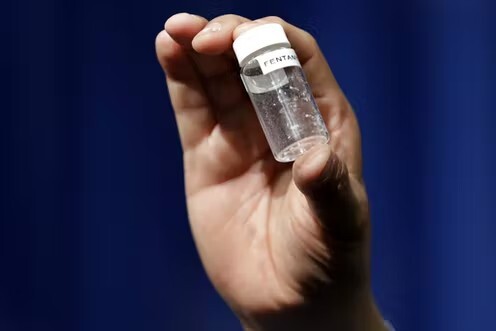
China has taken notable steps in recent days to tighten control over fentanyl precursors, signaling possible cooperation with U.S. demands amid ongoing trade tensions. The move comes after months of deadlock and could pave the way for easing the 20% tariffs imposed by U.S. President Donald Trump in February, citing Beijing’s alleged inaction in curbing the flow of synthetic opioid chemicals fueling the U.S. overdose crisis.
Last Friday, China added two key fentanyl precursors—4-piperidone and 1-boc-4-piperidone—to its list of controlled substances, effective July 20. These chemicals are viewed by U.S. officials as essential to addressing the fentanyl epidemic, which has contributed to nearly 450,000 overdose deaths in America.
The crackdown follows a rare meeting in Beijing between U.S. Ambassador David Perdue and China’s Minister of Public Security, Wang Xiaohong, where both sides expressed willingness to cooperate on drug control. China’s Foreign Ministry emphasized that the move aligns with the UN Drug Convention and reflects China’s commitment to global narcotics governance.
Despite calling out foreign "attacks" on its drug policy—an indirect rebuke of the U.S.—Beijing has taken visible actions. This year, Chinese authorities seized 2.42 tons of drugs, arrested 262 for smuggling, and prosecuted over 1,300 individuals for drug-related money laundering, a 2.1% rise year-on-year.
In a high-profile case, former narcotics bureau director Liu Yuejin received a suspended death sentence for accepting over 121 million yuan in bribes. Analysts say the fentanyl issue, entangled in U.S.-China trade friction, carries political weight for Beijing and may shape future negotiations.
While Chinese officials frame the recent crackdown as independent policy, ongoing discussions and a June 5 call between Trump and Xi Jinping suggest potential for closer cooperation.







