


 Neuralink Plans High-Volume Brain Implant Production and Fully Automated Surgery by 2026
  Astronomers have discovered another puzzling interstellar object − this third one is big, bright and fast
  NASA Cuts Boeing Starliner Missions as SpaceX Pulls Ahead
  FDA Adds Fatal Risk Warning to J&J and Legend Biotech’s Carvykti Cancer Therapy
  Trump and Merck KGaA Partner to Slash IVF Drug Costs and Expand Fertility Coverage
  Lost in space: MethaneSat failed just as NZ was to take over mission control – here’s what we need to know now
  SpaceX’s Starship Completes 11th Test Flight, Paving Way for Moon and Mars Missions
  SpaceX Starship Test Flight Reaches New Heights but Ends in Setback
  CDC Vaccine Review Sparks Controversy Over Thimerosal Study Citation
  Tabletop particle accelerator could transform medicine and materials science
  Blue Origin’s New Glenn Achieves Breakthrough Success With First NASA Mission
  Is space worth the cost? Accounting experts say its value can’t be found in spreadsheets
  Eli Lilly’s Inluriyo Gains FDA Approval for Advanced Breast Cancer Treatment
  SpaceX Prioritizes Moon Mission Before Mars as Starship Development Accelerates


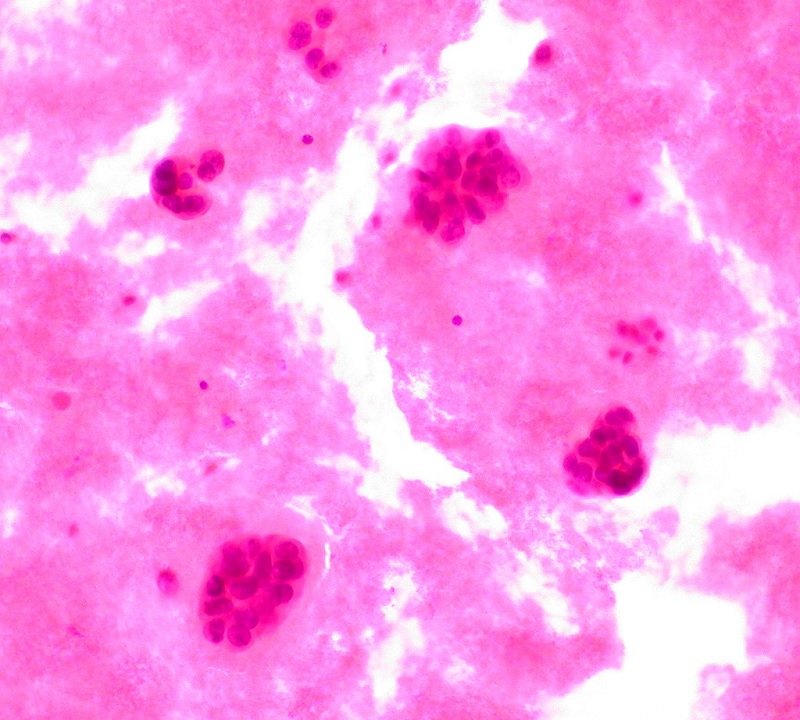
Scientists around the world have various ways to tackle the search for finding a cure for cancer. While that remains one of the biggest challenges in medical science, researchers are also making huge efforts to develop better immunotherapies and more effective cancer drugs. This month, different groups of researchers have made significant developments that could each pave the way to better treatment strategies for patients battling cancers of the breast, pancreas, and prostate.
Researchers from Duke Cancer Institute in Durham, North Carolina recently published their findings in the journal Nature Communications (via Medical Xpress) on how the immune system can better identify breast cancer cells. In a pre-clinical trial on a mouse, the scientists were reportedly able to attack the enzyme cells that help in the spread of breast cancer. As a result, the immune system’s T-cells can properly identify the tumors and tackle it.
This can then greatly help in making immunotherapies work much better for many patients. "We found that inhibition of the activity of this enzyme decreased the ability of macrophages in tumors to suppress an immune attack on cancer cells and indeed encouraged them to start producing chemicals that attract more cancer-killing T cells into the tumor," Dr. Donald McDonnell of Duke's Department of Pharmacology & Cancer Biology explained.
Dr. Brian Boone, a surgical oncologist and assistant professor at West Virginia University’s School of Medicine, explained that pancreatic cancer tumors are usually difficult to be surgically removed. In a study published in the Journal of the National Cancer Institute (via EurekAlert), they shared a development they observed in using the cancer drug FOLFIRINOX that increases the survivability among pancreatic cancer patients.
Boone’s team observed 313 pancreatic cancer patients taking FOLFIRINOX with tumors that cannot be removed by surgery because it is located too close to a blood vessel. The researchers found that the drug either increases the patients’ survival rate or shrinks the tumors over a certain period making surgery a possible treatment option. "There's no control group, but when you compare it to what we've historically seen in patients that are borderline resectable and that we take straight to surgery, FOLFIRINOX resulted in better survival and better rates of resection," Boone explained













