


 Taiwan Vows to Advance US Arms Sales Ahead of Trump-Xi Meeting
  Trump Administration Plans Faster FDA Reviews for Smoke-Free Nicotine Products
  Sudan Rejects US Legitimacy Remarks, Defends Sovereignty
  US Officials Split Over Response to Israeli West Bank Settlements
  Judge Orders Trump to Restore White House Access for CNN, MS NOW and Politico
  Venezuela Promises Elections as Delcy Rodriguez Pledges Democratic Transition
  South Korea, US Discuss Warship Building Cooperation
  Lula and Flavio Bolsonaro Tied in Brazil Runoff Poll
  Gaza Faces Evacuation Crisis as War-Damaged Buildings Risk Collapse
  Trump to Press Xi on Release of US Nuclear Expert Held in China
  Europe Warns Russia Is Escalating Hybrid Attacks Across NATO
  Zelenskiy Warns Russia Preparing Major Attack on Ukraine
  Kremlin Says No Decision Yet on Putin-Trump December Summit
  Trump Board of Peace Unveils $2.45 Billion Gaza Recovery Plan
  Mexico-US Trade Talks Delayed to October as Tariff Negotiations Continue
  Russian Envoy Dmitriev Heads to US for Ukraine Talks
  US, China Extend Trade Truce to Jan. 10 Ahead of Trump-Xi Summit


 Add as a preferred source on Google
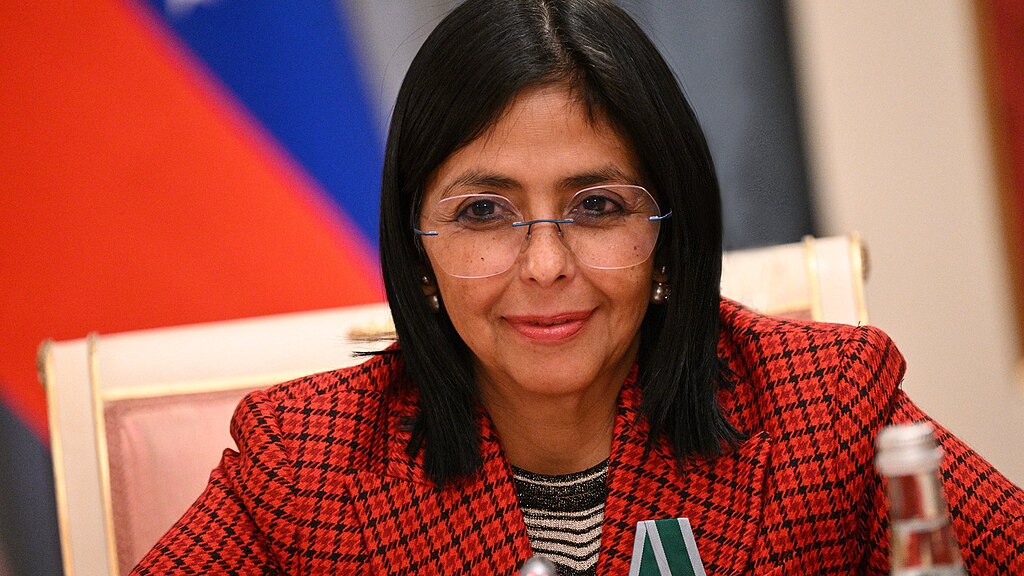
Canada is taking steps to reassess its relationship with Venezuela as government officials recently traveled to Caracas to evaluate the possibility of restoring formal diplomatic ties. The visit comes as Prime Minister Mark Carney’s administration reviews Canada’s diplomatic strategy toward the South American nation amid significant political changes.
According to reports, two Canadian government representatives visited Venezuela’s capital last week to inspect the Canadian embassy building, which has remained closed since 2019. Canada suspended its diplomatic presence after recognizing opposition leader Juan Guaidó as Venezuela’s legitimate president during the country’s political crisis.
The political landscape in Venezuela has shifted considerably in recent months. Former President Nicolás Maduro remained in power until January, when he was removed by the United States military. Following his departure, Vice President Delcy Rodríguez assumed the role of acting president, creating a new political environment that has prompted international governments to reevaluate their policies toward Venezuela.
Global Affairs Canada confirmed the official visit and stated that the government is closely monitoring developments in the country. The department, which oversees Canada’s foreign relations and diplomatic affairs, said it is assessing whether current conditions are suitable for reestablishing a physical diplomatic presence in Venezuela.
Canadian officials emphasized that the review process remains ongoing and includes evaluating political stability, security conditions, and diplomatic opportunities. The government also indicated that additional official visits to Venezuela may take place as part of its broader assessment strategy.
The potential reopening of the Canadian embassy in Caracas would mark a significant shift in Canada-Venezuela relations and could pave the way for stronger diplomatic engagement between the two countries. Analysts suggest that restoring diplomatic ties may improve communication, support consular services for citizens, and strengthen cooperation on regional issues.
As Canada continues to evaluate its diplomatic options, the international community will be closely watching whether Ottawa moves forward with reopening its embassy and rebuilding formal relations with Venezuela in 2026.







