


 S&P 500 Retreats From Record High as AI Stocks Slide, Retail Sales Disappoint
  Israeli Troops Enter Qusra Homes as Settler Siege Intensifies
  Oil Prices Steady as Strait of Hormuz Traffic Slows Amid US-Iran Conflict
  China Automakers Accelerate Global Expansion as Domestic Car Sales Slump
  Trump Imposes New Tariffs on Drone Imports Over US Security Concerns
  Trump Says Iran Should Surrender as Nuclear Deal Talks Stall
  Haftar Helps Broker Release of American Hostage Held by ISIS Affiliate
  Morocco Arrests 111 in New Ceuta Migrant Crossing Attempt
  Foreign U.S. Treasury Holdings Fall as Japan, UK and China Cut Positions
  Gold Prices Rise as Weak US Data and Hormuz Risks Boost Safe-Haven Demand
  US Dollar Slips as Soft Economic Data Eases Fed Rate Hike Expectations
  European Stocks Edge Higher as Fed Rate Pause Bets Rise
  France Inflation Rises 2.4% in July as Consumer Prices Increase
  Trump Envoys Hold Gaza Peace Talks in Cairo as Israeli Strikes Continue
  Canada Faces 50% U.S. Tariffs as Trade Tensions Threaten USMCA Talks
  U.S. Pressures Nations to Choose Sides in AI Race


 Add as a preferred source on Google
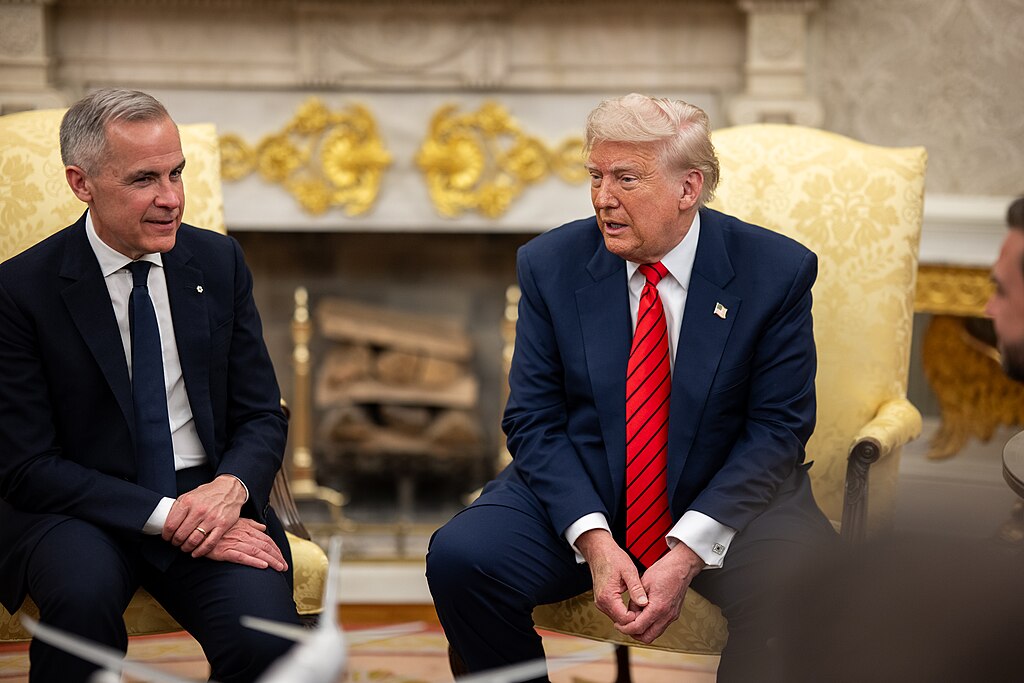
Canada is prepared to resume trade discussions with the United States “when it’s appropriate,” Prime Minister Mark Carney said on Sunday, emphasizing that there is currently no urgent matter requiring immediate talks with President Donald Trump. His comments come after Trump suspended the negotiations last month in response to an anti-tariff advertisement released by Ontario’s provincial government.
Speaking to reporters during the G20 leaders’ summit in Johannesburg, Carney noted that Canada’s priority remains strengthening its economic future and building new international partnerships. He added that conversations with the U.S. president are likely “in the next two weeks,” but the timing will depend on when both sides see value in re-engaging.
Carney reaffirmed his willingness to maintain open communication, stressing that Canada is not closing the door on renewed dialogue. “I don’t have a burning issue to speak with the president about right now,” he said. “When America wants to come back and have the discussions on the trade side, we will have those discussions.”
Canada continues to seek relief from U.S.-imposed tariffs on steel, aluminum, and automobiles—key sectors that have felt significant pressure under the current trade measures. A potential agreement to ease these import duties remains a top priority for Ottawa as it aims to protect Canadian industries and support cross-border trade.
While diplomatic tensions briefly intensified following the advertisement controversy, the Canadian government maintains that cooperation with the United States remains essential. Carney’s remarks signal a balanced approach, demonstrating both readiness for constructive dialogue and confidence in Canada’s broader economic strategy.
As North American trade dynamics evolve, renewed negotiations could play an important role in stabilizing supply chains and strengthening economic ties between the two countries. Canada’s stance suggests that when the U.S. is prepared to return to the table, discussions will resume with a focus on lowering tariffs and improving bilateral trade relations.







