


 Heineken Names JDE Peet’s CEO Rafael Oliveira as New Chief Executive
  Meta Reportedly Developing ‘Arena’ Prediction Market App to Rival Polymarket and Kalshi
  Pelosi Discloses Major Intel and Uber Call Option Purchases Worth Up to $6 Million
  U.S. Launches Trade Investigation Into Germany’s Pharmaceutical Cost-Cutting Plans
  NTSB Investigates Boston Logan Airport Near-Miss Between Delta and American Airlines Jets
  US House Approves $70 Billion Immigration Enforcement Funding Bill, Ending Congressional Deadlock
  Trump Orders DOJ Investigation Into Exxon, Chevron Over High Gas Prices
  Meta Pauses Employee Activity Tracking Program Over Data Security Concerns
  Apollo Debt Solutions Limits Redemptions as Withdrawal Requests Surge
  Australia Eases Capital Gains Tax Reforms to Support Small Businesses and Startups
  Trump’s Quantum Push Lifts IBM Stock as CEO Arvind Krishna Receives White House Praise
  California Drivers Sue BP, Walmart, 7-Eleven Over Alleged AI Gas Price Fixing
  Trump Revises U.S. Tariffs on Copper, Aluminum, and Steel Imports Through 2027
  KPMG Australia Chairman and Senior Partners Exit Amid Escalating Whistleblower Scandal
  NHTSA Investigates Fatal Tesla Model 3 Crash in Texas Amid Ongoing Autopilot and FSD Safety Scrutiny
  U.S. Eases Iran Team Travel Restrictions Ahead of Seattle World Cup Match
  SK Hynix Moves Closer to New York ADR Listing Amid AI Chip Boom


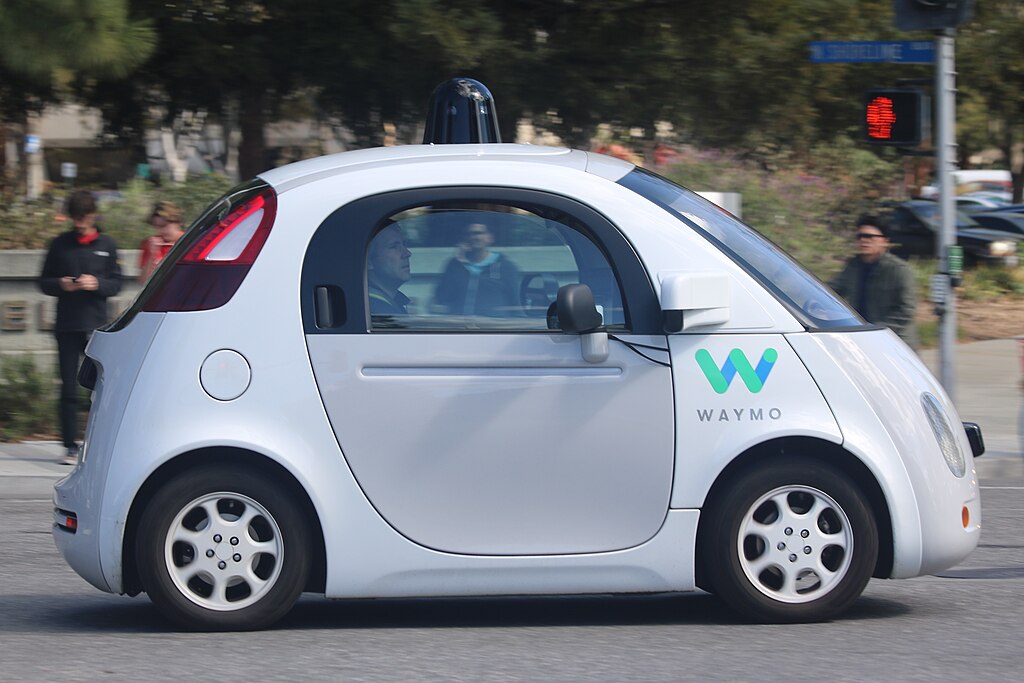
The California Department of Motor Vehicles (DMV) is taking a significant step toward strengthening the safety framework for autonomous vehicles by working closely with self-driving car manufacturers on expanded operational plans, with a strong emphasis on emergency response protocols. This move comes as autonomous vehicle deployment continues to grow across California, particularly in major cities like San Francisco.
The DMV announced on Friday that it is drafting new regulations aimed at improving oversight of remote drivers and remote assistants who support autonomous vehicle operations. Under the proposed rules, manufacturers will be required to ensure that these remote operators meet strict standards for safety, accountability, and responsiveness. The goal is to guarantee that human support systems behind autonomous vehicles are capable of reacting effectively during unexpected or high-risk situations.
This regulatory initiative follows a series of recent incidents involving Alphabet-owned Waymo robotaxis. During a widespread power outage in San Francisco, several Waymo autonomous vehicles reportedly stalled at intersections where traffic lights were not functioning. As the vehicles were unable to safely navigate intersections without operational signals, they stopped in place, leading to traffic congestion and disruptions for other road users.
The incidents raised broader concerns about how autonomous vehicles handle emergency scenarios, including power outages, infrastructure failures, and complex urban traffic conditions. While the vehicles are designed to prioritize safety, the inability to adapt smoothly during such events highlighted gaps in current operational planning and emergency response coordination.
By introducing clearer requirements for remote vehicle support, the California DMV aims to reduce risks associated with autonomous driving technology and ensure public safety remains a top priority. The proposed regulations are expected to require manufacturers to demonstrate that remote operators can intervene promptly, communicate effectively with emergency responders, and make real-time decisions when autonomous systems encounter limitations.
As California continues to lead the nation in autonomous vehicle regulation, these new rules signal a push toward greater accountability and preparedness. For autonomous vehicle companies, compliance will likely mean enhanced training, improved monitoring systems, and closer collaboration with state regulators. For the public, the changes are intended to build trust and confidence in the evolving self-driving car ecosystem while addressing real-world safety challenges.







