


 Cogent Biosciences Soars 120% on Breakthrough Phase 3 Results for Bezuclastinib in GIST Treatment
  Blue Origin New Glenn Explosion Could Delay Launch Operations Until 2028
  China vs. NASA: The New Moon Race and What's at Stake by 2030
  Blue Origin’s New Glenn Achieves Breakthrough Success With First NASA Mission
  SpaceX Pivots Toward Moon City as Musk Reframes Long-Term Space Vision
  Tabletop particle accelerator could transform medicine and materials science
  Eli Lilly’s Inluriyo Gains FDA Approval for Advanced Breast Cancer Treatment
  Trump Administration to Launch Autism Initiatives Targeting Acetaminophen Use and New Treatment Options
  NASA and Roscosmos Chiefs Meet in Florida to Discuss Moon and ISS Cooperation
  Is space worth the cost? Accounting experts say its value can’t be found in spreadsheets
  SpaceX’s Starship Completes 11th Test Flight, Paving Way for Moon and Mars Missions
  Trump Administration Releases New UFO Files and Apollo Mission Records
  Trump Signs Executive Order to Boost AI Research in Childhood Cancer


 Add as a preferred source on Google
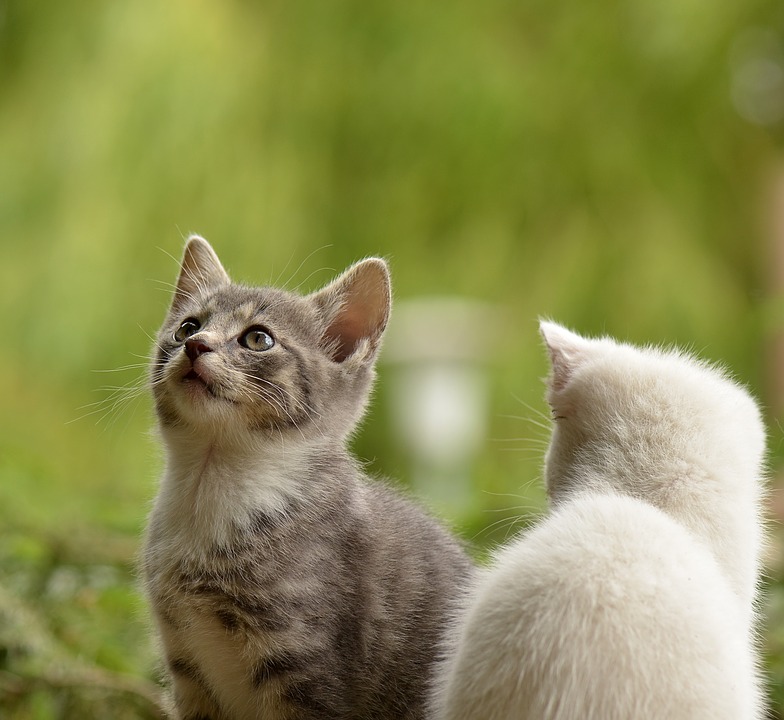
The origin of COVID-19 has yet to be determined, with theories suggesting it was spread to humans from animals when it broke out in Wuhan, China in December 2019. However, following a study that suggests pets may also be carriers of the coronavirus, a recent study reveals that cats might not only become carriers, but they can also spread the virus amongst each other.
It is believed that pets may also be potential carriers of COVID-19, and many people all over the world might have to avoid their pets in order to prevent contracting or spreading the virus. A study by researchers from Huazhong Agricultural University in Wuhan, China, found that cats, especially cats may be potential carriers of COVID-19.
The researchers took samples and anal swabs from 102 cats in the city earlier this year, between January and March. The cats were a mix of stray, shelter, domestic cats, and cats staying in a veterinary clinic. Their findings were published in the journal Emerging Microbes & Infections and from the 102 cats, 15 were found to have COVID-19 antibodies. From these 15 cats, 11 were found to have neutralizing antibodies, proteins that can bind to and block the virus.
None of the cats showed any symptoms and none died from the virus. Three of the cats that had the highest levels of COVID-19 antibodies were owned by someone who contracted COVID-19. The findings suggest that humans may need to isolate themselves from their pets, especially if someone tests positive.
“Although the infection in stray cats could not be fully understood, it is reasonable to speculate that these infections are probably due to the contact with SARS-CoV-2 polluted environment, or COVID-19 patients who fed the cats,” said lead author Meijin Jin.
The pandemic has infected millions of people all over the world, with hundreds of thousands dying at the same time. Local governments have ordered the use of face masks when outside, frequent handwashing and disinfecting, and to practice social distancing or remain indoors as much as possible.
A separate study has found that the lessons learned as a result of the COVID-19 pandemic prove to be useful in another event; a nuclear attack. The study, published in the journal Bulletin of Atomic Scientists detailed how the dangers of a nuclear attack could be combatted with international cooperation, with people willing to suspend their civil liberties for the good of everyone.







