


 Alcohol is one of the most dangerous drugs, yet its presence is ubiquitous in social settings and celebrations
  Trump Signs Order to Cut Routine Childhood Vaccines
  Novartis Shares Plunge After Muscle Drug Fails Phase III Trial
  3 clinical-grade skincare creams you really shouldn’t buy online
  Trump Signs Executive Order to Boost AI Research in Childhood Cancer
  Novo Nordisk Raises 2025 Outlook Despite Wegovy Pill Miss and CagriSema Setback
  Senate Sets December 8 Vote on Trump’s NASA Nominee Jared Isaacman
  Novo Nordisk Eyes Turnaround as Oral Wegovy Challenges Eli Lilly in Weight-Loss Drug Race
  Eli Lilly Eyes AtaiBeckley Acquisition to Expand Psychedelic Mental Health Pipeline
  SpaceX Prioritizes Moon Mission Before Mars as Starship Development Accelerates
  Blue Origin’s New Glenn Achieves Breakthrough Success With First NASA Mission
  Moderna Short Sellers Hit With $4.8 Billion Loss as Stock Soars
  China vs. NASA: The New Moon Race and What's at Stake by 2030
  Trump and Merck KGaA Partner to Slash IVF Drug Costs and Expand Fertility Coverage
  Trump Administration to Launch Autism Initiatives Targeting Acetaminophen Use and New Treatment Options
  Is space worth the cost? Accounting experts say its value can’t be found in spreadsheets


 Add as a preferred source on Google
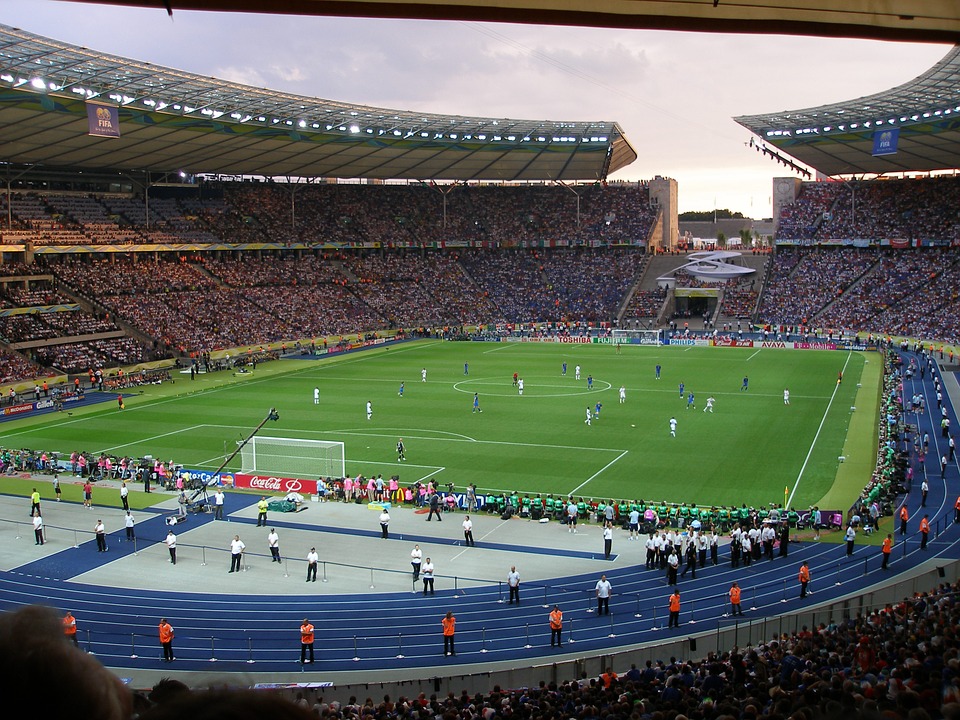
The COVID-19 pandemic has forced many all over the world to stay indoors, including athletes. With many sporting events getting cancelled this year, a new report claims that the lack of an audience present at the stadiums may actually get athletes to perform better.
Express reports a study has found that athletes have somehow improved their performance when playing without an audience, especially as COVID-19 has gotten sports teams to adapt to what may seem to be the “new normal.” Unexpectedly, the report revealed that athletes, like those in Premier League football, were able to kick dead balls with more precision now than before. Their shooting has now improved without getting distracted by the cheers from the fans.
The NBA has also somehow found the same thing. NBA players in practice were able to make more free-throws and score more corner three-pointers than ever. These unexpected effects came as a result of having to stay home and make the most of their “time off” from playing by practicing their skills at home, in their backyards or driveways.
According to Arsenal manager Mikael Arteta, “When they play in front of 80,000 people it is much more difficult” compared to when they are playing in an empty stadium.
Meanwhile, there has yet to be a cure developed for COVID-19, but scientists are already on their way in developing a proper vaccine for the disease. ABC News reports that the Texas Medical Board in charge of licensing doctors and physicians in the state has issued a warning that they may take action if they are found to be falsely advertising a so-called cure for COVID-19.
The board issued the warning following the comments made by Houston-based pastor and doctor Dr. Stella Immanuel, touted hydroxychloroquine as a cure for COVID-19. However, many studies have already shown that the drug has no effect on curing the disease despite it being constantly touted by Donald Trump. The Food and Drug Administration has also warned consumers against using it as a treatment or as a preventative measure.
Unfortunately, several doctors have already prescribed the drug to dozens of Americans who tested positive for COVID-19. The medical board has since clarified that there is no definitive cure as of now for the disease, and that scientists are still in the midst of developing, researching, and trying to understand this illness.







