


 Venezuela Earthquake Health Risks Rise as Disease Monitoring Intensifies
  US Judge Dismisses Imran Ahmed Deportation Lawsuit
  Saudi Arabia Shuts East-West Oil Pipeline After Drone Attack
  FCC Approves Foreign Investment in $110B Paramount-Warner Bros. Deal
  DOJ Will Investigate AI-Related Crimes, Attorney General Blanche Says
  Nvidia-Groq AI Chip Deal Faces U.S. Antitrust Probe
  US-Backed Pediatric HIV Treatment Drops After Foreign Aid Changes, Study Finds
  AstraZeneca Halts Phase III Volrustomig Lung Cancer Trial After Efficacy Setback
  FAA Allows Boeing to Sell 35 More 777F Freighters Beyond 2028
  3 clinical-grade skincare creams you really shouldn’t buy online
  US Resumes Immigrant Visa Processing for Hungary, Poland
  US Bans Canadian Alcohol, Motorcycles as Trade War Escalates
  Novo Nordisk Strikes €1.17 Billion Nanexa Drug Delivery Deal
  Hims & Hers Shares Fall as GLP-1 Costs Widen Q2 Loss
  Eli Lilly Eyes AtaiBeckley Acquisition to Expand Psychedelic Mental Health Pipeline
  ICE Agent Arrested in Minneapolis Over Venezuelan Man Shooting


 Add as a preferred source on Google
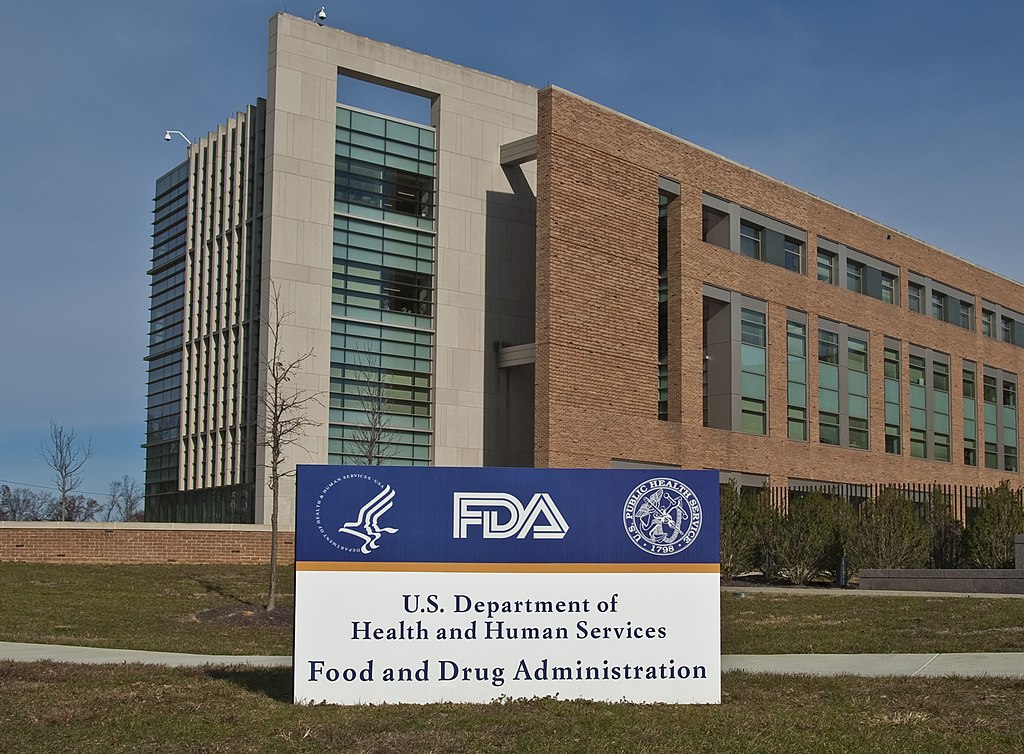
The U.S. Food and Drug Administration (FDA) is softening its stance on nicotine pouches through a new pilot program, signaling a shift in tobacco regulation under the Trump administration. Traditionally, the FDA required extensive product-specific studies before authorizing new nicotine products, aiming to ensure they improved public health without sparking youth use.
According to internal meeting transcripts reviewed by Reuters, the FDA will now ease these requirements. Manufacturers will no longer need to submit certain studies, such as those proving a product’s effectiveness in helping smokers cut back. Instead, the agency will rely on existing research on nicotine pouches.
This change could speed up reviews for major tobacco companies like Philip Morris International, Altria, and British American Tobacco, whose pouch brands Zyn, On! and Velo dominate the U.S. market. While PMI and Altria withheld comment, BAT welcomed a more streamlined process, calling sensible regulation vital for public health.
FDA officials, however, stressed that scientific standards remain in place. Bret Keplow, acting director of the Center for Tobacco Products, noted the pilot could influence future reviews of other nicotine products, including vapes. Internal discussions also highlighted that nicotine pouches carry fewer toxic risks than cigarettes and have not triggered significant youth adoption so far.
Experts remain divided. Supporters argue that quicker approvals could expand access to less harmful cigarette alternatives. Critics, including former FDA tobacco directors, caution that product-specific studies remain essential to confirm safety, public health benefits, and to prevent youth misuse. Analysts predict the pilot will accelerate pouch sales, though clinical studies will still be required in some areas.
The move represents the FDA’s first clear step toward a more flexible regulatory framework for smoking alternatives in the world’s largest nicotine market.







