


 Venezuela Earthquake Health Risks Rise as Disease Monitoring Intensifies
  Novo Nordisk Strikes €1.17 Billion Nanexa Drug Delivery Deal
  DOJ Will Investigate AI-Related Crimes, Attorney General Blanche Says
  France Battles Mediterranean Wildfires as Heatwave Fuels Fire Risk
  US Northeast Airports Resume Operations After Telecom Outage Disrupts Thousands of Flights
  Trump Administration Plans Faster FDA Reviews for Smoke-Free Nicotine Products
  Alcohol is one of the most dangerous drugs, yet its presence is ubiquitous in social settings and celebrations
  ICE Agent Arrested in Minneapolis Over Venezuelan Man Shooting
  US Resumes Immigrant Visa Processing for Hungary, Poland
  U.S. Issues Cuba Health Alert as Illnesses Rise
  Hanmi Pharm Soars 30% on $2.3 Billion Genentech Obesity Drug Deal
  Novo Nordisk Eyes Turnaround as Oral Wegovy Challenges Eli Lilly in Weight-Loss Drug Race
  AstraZeneca Halts Phase III Volrustomig Lung Cancer Trial After Efficacy Setback
  Moderna Wins FDA Approval for mFLUSIVA mRNA Flu Vaccine for Adults 50+
  Trump Scales Back Endangered Species Act Protections
  Judge Blocks Trump Rule Limiting Foreign Student Visas
  US Backs Musk in Fight Against EU’s €120 Million X Fine


 Add as a preferred source on Google
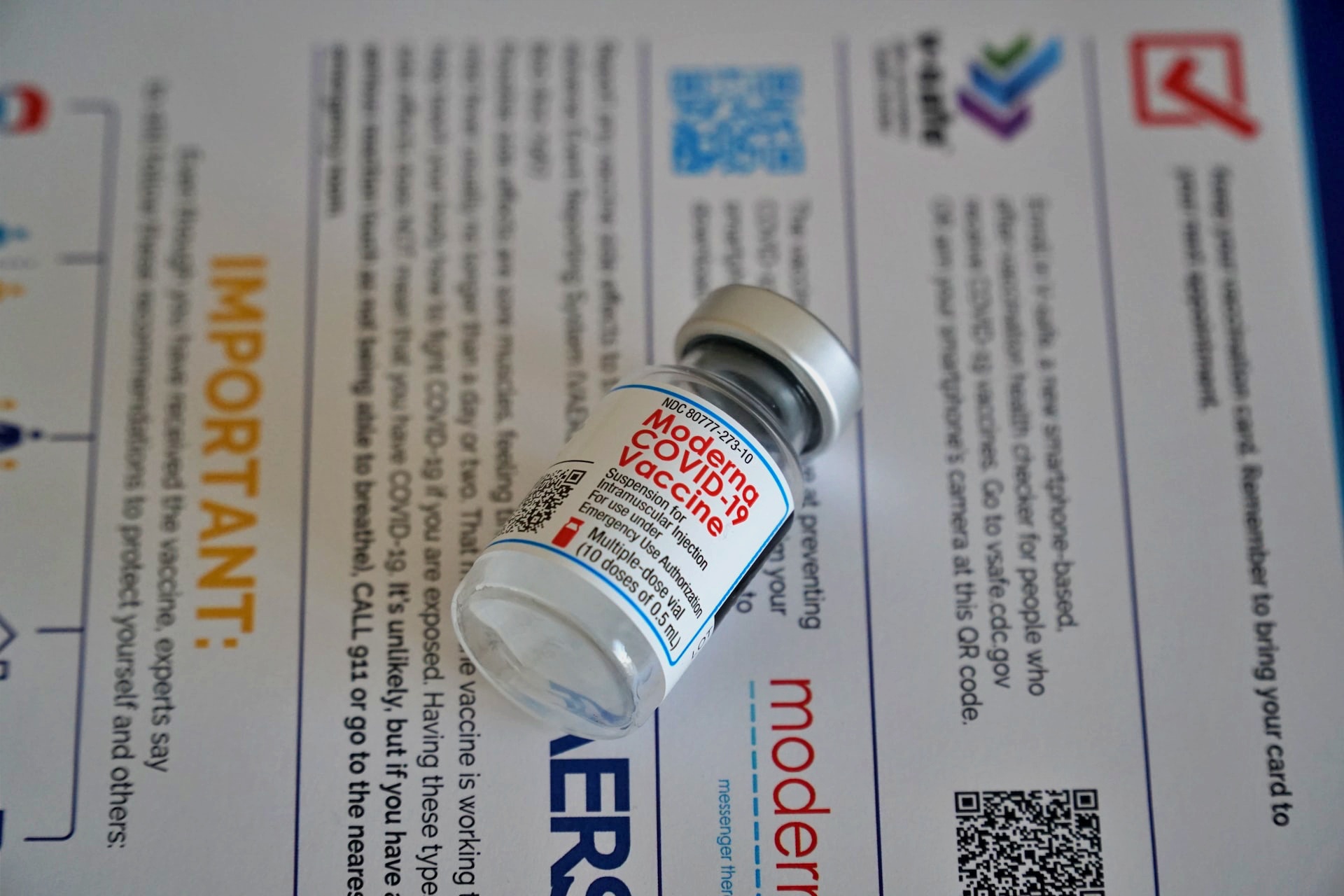
The U.S. Centers for Disease Control and Prevention (CDC) has revised its guidance on COVID-19 vaccines for children, stating that vaccination for healthy individuals aged 6 months to 17 years should follow a “shared clinical decision-making” process. This means that shots are still available, but only if parents and doctors agree it's necessary based on individual circumstances.
The move marks a shift from earlier CDC guidance, which broadly recommended updated COVID-19 vaccines for everyone six months and older. The updated schedule, published Thursday, outlines that if parents want their child vaccinated, they may proceed based on a healthcare provider’s judgment and the family’s preference.
Health Secretary Robert F. Kennedy Jr., a known vaccine skeptic, claimed earlier in the week that COVID vaccines for healthy children and pregnant women had been removed from the CDC’s immunization schedule. However, a Department of Health and Human Services spokesperson said there is no contradiction, as the CDC’s updated guidance no longer promotes universal vaccination for healthy children but still allows it case-by-case.
Medical experts criticized Kennedy’s unilateral announcement, saying it bypassed the CDC’s usual advisory process. The Infectious Diseases Society of America warned the change may limit access and insurance coverage, especially for vulnerable children. They emphasized that COVID-19 can cause serious illness in children, including long COVID symptoms that may impact development.
According to CDC data, nearly 1,900 children under 18 have died from COVID-19 in the U.S. as of 2023. Vaccine makers Pfizer, Moderna, and Novavax have not commented on the development.
The FDA also recently announced it would require new clinical trials for annual COVID boosters in healthy individuals under 65, reinforcing a more limited use strategy moving forward.







