


 Ghana Says Western Support Growing for Slave Trade Reparations
  Soybean Futures Slip as Traders Await Trump-Xi Trade Signals
  Ukrainian Drone Attacks Hit Russian Regions, Injuring at Least 12
  Abbas Reaffirms November 28 Palestinian Elections
  Judge Orders Trump to Restore White House Access for CNN, MS NOW and Politico
  Taiwan Thanks US for Support Ahead of Trump-Xi Summit
  U.S. 10-Year Treasury Yield Hits 2007 High as Fed Rate Hike Bets Rise
  Asian Currencies Mixed as Dollar Holds Near Two-Month High
  Wall Street Falls as Treasury Yields Surge, Oil Rebounds on Iran Tensions
  Oil Prices Jump 3% as Houthi Attack Revives Supply Fears
  Japanese Bank Stocks Surge as Bond Yields Fuel Rate Hike Bets
  South Korea, US Discuss Warship Building Cooperation
  EU Defence Build-Up Too Slow for 2030 Russia Readiness Goal
  U.S. Treasury Yields Surge as 30-Year Hits 22-Year High
  North Korea Rejects Nuclear Test Warning, Calls Nuclear Status Irreversible
  US Senate Rejects Iran War Powers Resolution in 50-49 Vote
  China’s ‘Lipstick King’ Says AI Won’t Replace Livestream Hosts


 Add as a preferred source on Google
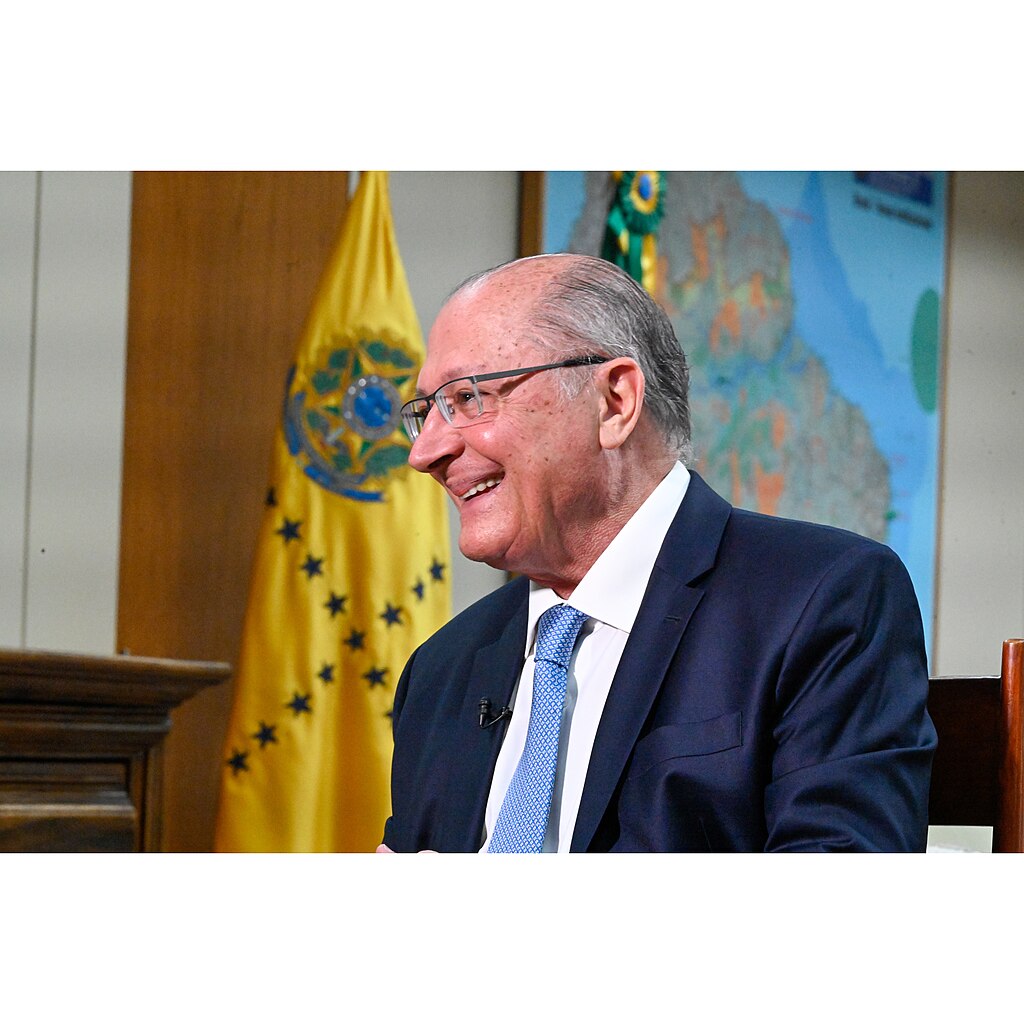
Brazilian Vice President Geraldo Alckmin confirmed on Thursday that Brazil is willing to negotiate with the United States over upcoming tariffs on Brazilian imports. Alckmin discussed the issue in a one-hour conversation with U.S. Commerce Secretary Howard Lutnick on Saturday, describing the talks as “good” and “fruitful,” though details remain confidential.
The U.S. recently announced 50% tariffs on Brazilian goods, set to take effect on August 1. The measure, introduced by President Donald Trump, is reportedly linked to judicial actions against former Brazilian president Jair Bolsonaro, accused of plotting a coup. The tariffs have sparked concern within Latin America’s largest economy, raising fears of significant trade and economic impacts.
Brazilian officials are currently assessing potential consequences for local industries and preparing mitigation strategies, including possible countermeasures. However, sources within the government have indicated difficulties in reaching senior U.S. officials for direct negotiations, heightening uncertainty around the timeline for any resolution.
“We didn’t create this problem, but we want to resolve it,” Alckmin said, emphasizing Brazil’s proactive stance in seeking dialogue despite the political sensitivities.
The White House has yet to comment on the ongoing discussions. The outcome of these negotiations could significantly affect trade relations between Brazil and the United States, especially as both countries navigate heightened geopolitical and economic tensions in the region.
By pursuing negotiations, Brazil aims to protect its export-driven economy while maintaining stable diplomatic ties with Washington amid a volatile global trade environment.







