


 Canada Unveils Bill to Fast-Track Major Resource Projects
  Yen in Focus as BOJ, Fed Rate Hikes Reshape Currency Markets
  S&P 500 Historically Rallies After Midterm Elections, UBS Says
  Gold Prices Hold Steady Ahead of Trump-Xi Summit, Middle East Risks
  Gold Prices Rise as Oil Slide Eases Fed Rate Hike Fears
  UK Home Asking Prices Rise for First Time Since May
  Oil Prices Tumble on U.S.-Iran Diplomacy Hopes, Supply Relief
  Wall Street Surges as Meta Leads AI Rally, Oil Prices Fall
  Oil Prices Rise as U.S.-Iran Talks Fuel Diplomacy Hopes
  Oil Prices Extend Losses as U.S.-Iran Talks Ease Supply Fears
  US, Japan and South Korea Back Taiwan Ahead of Trump-Xi Summit
  Fed Rate Hike Threatens Housing as U.S. Growth Leans on AI, Citi Says
  Strait of Hormuz Oil Shipments Hit Six-Month High as U.S. Clears Mines
  Asian Stocks Mixed Ahead of Trump-Xi Meeting
  France Debt-to-GDP Ratio Seen Hitting Record 119.3% in 2026
  Vietnam Stocks Join FTSE Emerging Market Indexes, Unlocking Billions in Foreign Investment
  Yen Weakens as Dollar Gains on Widening US-Japan Rate Gap


 Add as a preferred source on Google
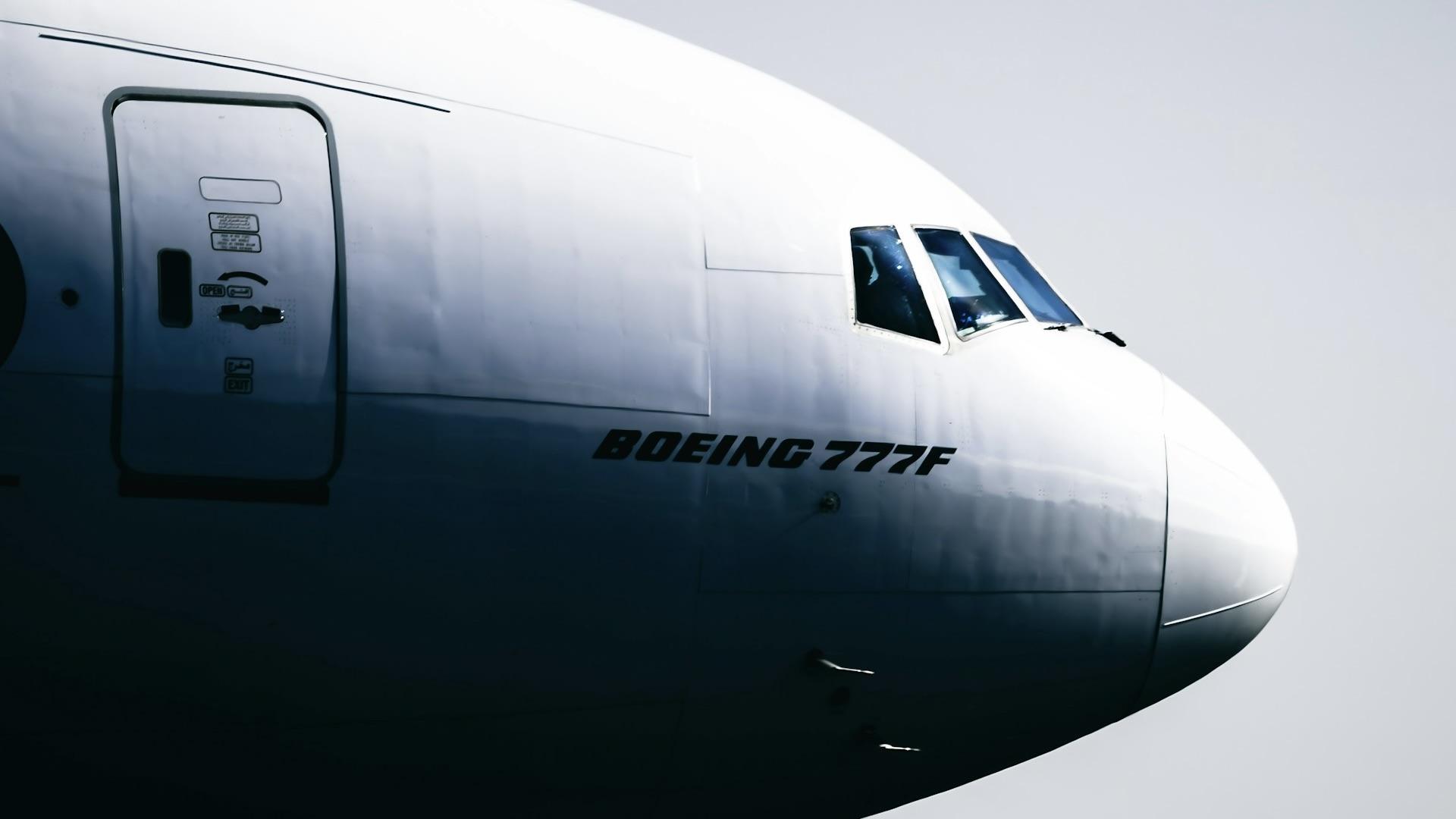
Boeing’s aircraft certification is under intense scrutiny as the FAA implements sweeping reforms after a January 737 MAX 9 incident. The changes aim to improve safety oversight and streamline the approval process, affecting MAX 7 and MAX 10 production timelines.
FAA Moves to Streamline Aircraft Certification
Investing.com reports that after a plane disaster in January, the chairman of the FAA is trying to make aircraft certification easier and increase oversight of Boeing.
After a door panel missing four bolts fell off an Alaska Airlines Boeing 737 MAX 9 in January, FAA Administrator Mike Whitaker said in an interview that the agency is also reevaluating its approach to broader aviation oversight.
The method for certifying aircraft is being reviewed by Whitaker.
"We are reviewing that to ensure that we are receiving the appropriate information and have the necessary tools to comprehend it. It may be more effective to involve ourselves earlier in the process to gain a better understanding of the situation," Whitaker stated. He also mentioned that the FAA is utilizing "better technology" to simplify the process.
Boeing’s MAX 7 Certification Delays Impact Airlines
Despite numerous setbacks, Boeing had anticipated to attain MAX 7 certification in 2022. To resolve an issue with engine de-icing, Boeing withdrew its request for a safety exemption in January. According to Whitaker's interview with Reuters, Boeing is expected to propose a de-icing patch this month.
The FAA can't certify the larger MAX 10 until the MAX 7 is certified. Airline delivery schedules have been extended due to delays. Reuters reported in September that Alaska Airlines CEO Ben Minicucci has stated his expectation that the airline will not acquire any 737 MAX 10s until mid-2026, at the latest.
Whitaker describes the FAA's shift from being "too hands off" to doing more in-person inspections as a "permanent change." As a result, the agency's control of Boeing has been significantly increased.
FAA Strengthens Oversight with Focus on Safety
"I think we've ramped up the level of oversight," stated the president. "The inspection points need to be focused on the key parts of that production process."
Whitaker increased the frequency of meetings and increased the number of senior officials on an agency's oversight committee. As part of a new strategy that "should give us a more agile oversight approach and prevent what may have been happening in the past," the FAA is implementing a policy of "continuously review our oversight models" for various entities, including Boeing, airlines, air traffic controllers, and others.







