


 Trump Signs Executive Order Threatening 25% Tariffs on Countries Trading With Iran
  RBI Holds Repo Rate at 5.25% as India’s Growth Outlook Strengthens After U.S. Trade Deal
  Bank of Japan Signals Readiness for Near-Term Rate Hike as Inflation Nears Target
  RBA Raises Interest Rates by 25 Basis Points as Inflation Pressures Persist
  Federal Reserve Faces Subpoena Delay Amid Investigation Into Chair Jerome Powell
  RBA Expected to Raise Interest Rates by 25 Basis Points in February, ANZ Forecast Says
  Gold and Silver Prices Slide as Dollar Strength and Easing Tensions Weigh on Metals
  Dollar Steadies Ahead of ECB and BoE Decisions as Markets Turn Risk-Off
  Trump Endorses Japan’s Sanae Takaichi Ahead of Crucial Election Amid Market and China Tensions
  Vietnam’s Trade Surplus With US Jumps as Exports Surge and China Imports Hit Record
  Singapore Budget 2026 Set for Fiscal Prudence as Growth Remains Resilient
  U.S. Stock Futures Edge Higher as Tech Rout Deepens on AI Concerns and Earnings
  Japan Economy Poised for Q4 2025 Growth as Investment and Consumption Hold Firm


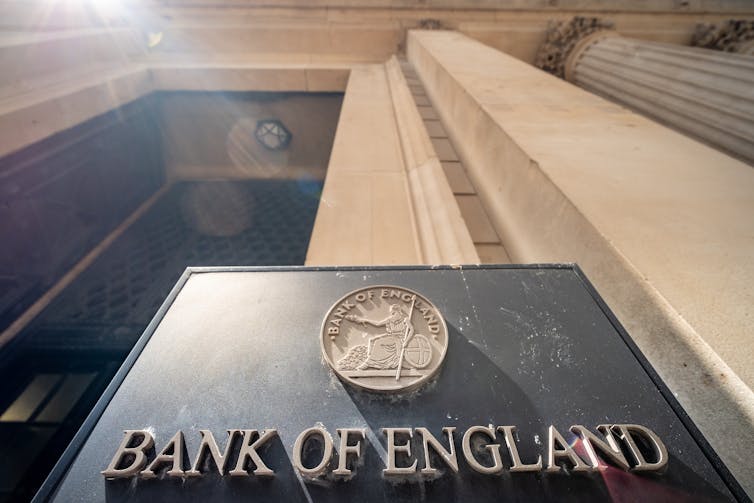
The Bank of England is widely expected to cut interest rates on Thursday as signs mount that UK inflation is easing and economic growth is weakening. Financial markets anticipate a 25-basis-point reduction, bringing the benchmark Bank Rate down to 3.75% from 4%. If confirmed, this would mark the fourth rate cut of 2025 and take borrowing costs to their lowest level in nearly three years, offering some relief to households and businesses.
A rate cut would also provide political breathing room for Chancellor Rachel Reeves and Prime Minister Keir Starmer, who face growing pressure to revive economic growth. However, despite the expected move, investors and economists believe the scope for further easing in 2026 remains limited due to persistent inflation pressures in the UK economy.
Recent data showed consumer price inflation falling sharply to 3.2%, a bigger-than-expected slowdown that followed signs of a cooling labour market and the highest unemployment rate since 2021. Britain’s economy also contracted by 0.1% in the three months to October, reflecting weak business confidence ahead of Reeves’ November budget. These developments have strengthened the case for a near-term interest rate cut.
Even so, UK inflation remains the highest among G7 economies, partly due to higher employer taxes introduced last year. Services inflation continues to prove stubborn, and business surveys suggest underlying price pressures have not fully dissipated. Measures in the government’s budget, such as removing green levies from energy bills and freezing rail fares, are expected to have only a temporary impact on inflation.
The Bank of England’s Monetary Policy Committee remains deeply divided, with recent votes narrowly split. Analysts expect a close decision again, potentially hinging on Governor Andrew Bailey’s vote. While markets are pricing in one additional rate cut in 2026, policymakers are likely to stress a cautious, gradual approach rather than signal a full easing cycle.
With inflation still above target and global central banks nearing the end of their own rate-cutting phases, the BoE is expected to balance near-term economic weakness against longer-term price stability risks.













