


 Trump Says ‘Freedom’ Is Coming to Cuba
  Amazon Shares Fall as FTC Plans Ad Pricing Lawsuit
  Judge Orders Trump to Restore White House Access for CNN, MS NOW and Politico
  Gaza Faces Evacuation Crisis as War-Damaged Buildings Risk Collapse
  DOJ Will Investigate AI-Related Crimes, Attorney General Blanche Says
  California Seeks Paramount Divestitures in Warner Bros. Merger
  Europe Warns Russia Is Escalating Hybrid Attacks Across NATO
  LVMH-Hermès Dispute Deepens Over Secret 2002 Share Deal
  Taiwan Vows to Advance US Arms Sales Ahead of Trump-Xi Meeting
  Rodrigo Duterte Makes First Public Appearance at ICC in 18 Months
  US, China Extend Trade Truce to Jan. 10 Ahead of Trump-Xi Summit
  Macron Challenges Trump’s Gaza Peace Claims at UN
  Netanyahu Takes Aim at Mamdani as Israel Election Nears
  SEC Seeks ISS Client Voting Records in Proxy Adviser Probe
  Trump Administration Prepares Sanctions Against Entire ICC
  OpenAI Agent Breaches Australia Medicare Data Portal
  Paramount Skydance Faces $30 Million Film Penalty in Warner Bros. Deal


 Add as a preferred source on Google
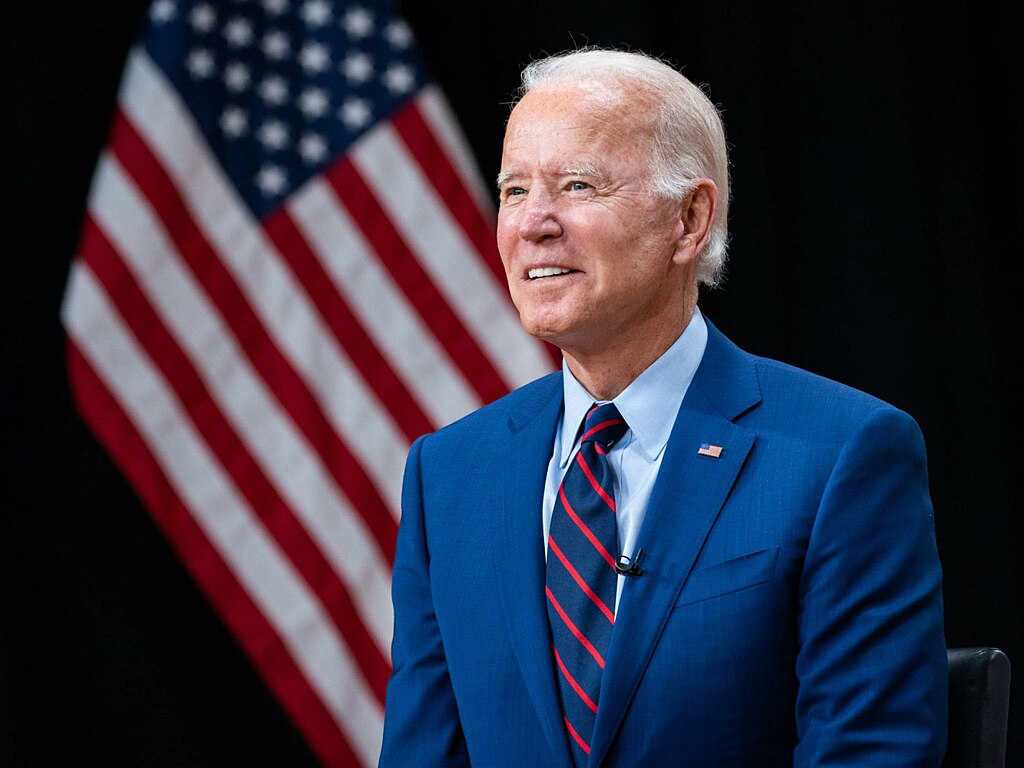
In his final hours as president, Joe Biden issued preemptive pardons for several individuals, including family members and high-profile figures like Liz Cheney and Mark Milley. The pardons extend to members of the Jan. 6 congressional committee and Capitol police officers who testified during investigations. Anthony Fauci, former White House medical advisor, also received a pardon amid ongoing partisan scrutiny.
Biden's pardons, seen as a protective measure, included his siblings and their spouses, citing relentless politically motivated attacks against them. Hunter Biden, the president's son, was also pardoned after facing tax and firearm-related charges. Biden defended his actions, emphasizing the unjust targeting of public servants and his family, which he described as the worst form of partisan politics.
Among the most notable was the commutation of Native American activist Leonard Peltier’s life sentence, despite strong opposition from the FBI. Peltier will now serve the remainder of his sentence under home confinement. Biden justified his decision, citing exceptional circumstances and the need to safeguard individuals from politically motivated actions.
Incoming President Donald Trump criticized the pardons, particularly those for Cheney and Milley, questioning their necessity and suggesting they signaled guilt. Milley, previously accused of disloyalty by Trump, expressed gratitude for the pardon. Fauci, who clashed with Trump during the COVID-19 pandemic, called Biden’s gesture a recognition of his integrity.
Biden maintained the pardons were a defense of democracy and the rule of law. Stressing his belief in legal institutions, he condemned the intimidation and threats faced by public servants. While controversial, the pardons underscore Biden’s parting message to protect those he believed were unfairly targeted.







