


 Netanyahu’s Brief US Trip Highlights Strains With Trump
  US, China Extend Trade Truce to Jan. 10 Ahead of Trump-Xi Summit
  Mexico-US Trade Talks Delayed to October as Tariff Negotiations Continue
  Trump Asks Supreme Court to Restore Third-Country Deportations
  Russian Envoy Dmitriev Heads to US for Ukraine Talks
  Ghana Says Western Support Growing for Slave Trade Reparations
  Trump, Xi Focus on Trade and AI at White House Summit
  North Korea Warns South Korea Over US-Led Defense Role
  Netanyahu Defends Israel at UN as Delegates Stage Walkout
  France Defends Netanyahu Airspace Clearance Despite ICC Warrant
  US Backs Musk in Fight Against EU’s €120 Million X Fine
  OpenAI Agent Breaches Australia Medicare Data Portal
  Gaza Faces Evacuation Crisis as War-Damaged Buildings Risk Collapse
  US Invites Putin to Miami G20, Opening Door to Trump Summit
  Taiwan Thanks US for Support Ahead of Trump-Xi Summit
  Yemen Violence Displaces 130,000 as Civilian Toll Rises
  Netanyahu Takes Aim at Mamdani as Israel Election Nears


 Add as a preferred source on Google
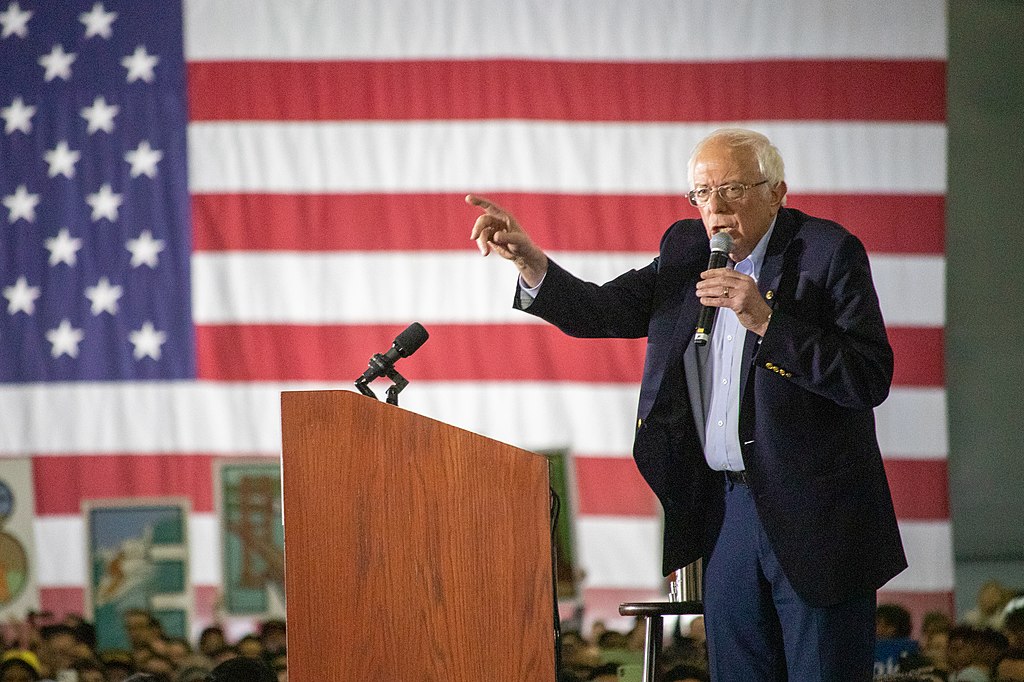
U.S. Senator Bernie Sanders announced plans to force Senate votes next week to block $8.8 billion in U.S. arms sales to Israel, citing the worsening humanitarian crisis in Gaza. The move comes in response to Israel’s intensified military campaign, which has reportedly killed over 50,000 Palestinians, following Hamas' deadly October 7, 2023, attack that killed 1,200 Israelis and took 251 hostages.
Sanders, an independent aligned with Democrats, condemned Israeli Prime Minister Benjamin Netanyahu for what he called violations of U.S. and international law, accusing the U.S. of being complicit in the Gaza conflict. He pointed to Israel's complete blockade on aid—cutting off food, water, medicine, and fuel since early March—as a major humanitarian concern.
Despite a tradition of strong bipartisan support for Israel in Congress, Sanders and other progressives are pushing to use legislative tools to challenge the weapons transfers. While such resolutions rarely succeed due to likely presidential vetoes and Senate opposition, they aim to increase pressure on both the Israeli government and the U.S. administration to protect civilians.
In November, the Senate overwhelmingly rejected similar resolutions from Sanders. However, he continues to press for change as the conflict escalates and civilian suffering mounts.
President Donald Trump, now in his second term, has reversed previous restrictions imposed by former President Joe Biden, fast-tracking arms sales to Israel and bypassing congressional review. The shift has intensified criticism from human rights groups and sparked renewed debate over U.S. foreign policy in the Middle East.
Though the resolutions may not pass, Sanders hopes the debate will highlight the dire conditions in Gaza and push for greater accountability from U.S. allies.







