


 Trump Says ‘Freedom’ Is Coming to Cuba
  AstraZeneca Shares Sink After Wainua Trial Misses Key Heart Disease Goal
  Europe Warns Russia Is Escalating Hybrid Attacks Across NATO
  Trump Meets Venezuela’s Delcy Rodriguez at UN Assembly
  Judge Orders Trump to Restore White House Access for CNN, MS NOW and Politico
  3 clinical-grade skincare creams you really shouldn’t buy online
  Taiwan Thanks US for Support Ahead of Trump-Xi Summit
  Macron Challenges Trump’s Gaza Peace Claims at UN
  Novartis Shares Plunge After Muscle Drug Fails Phase III Trial
  Russian Missile and Drone Attack on Kyiv Kills Two, Damages Maternity Hospital
  Trump to Press Xi on Release of US Nuclear Expert Held in China
  France Battles Mediterranean Wildfires as Heatwave Fuels Fire Risk
  Hims & Hers Shares Fall as GLP-1 Costs Widen Q2 Loss
  Moderna Wins FDA Approval for mFLUSIVA mRNA Flu Vaccine for Adults 50+
  Hanmi Pharm Soars 30% on $2.3 Billion Genentech Obesity Drug Deal
  Gaza Faces Evacuation Crisis as War-Damaged Buildings Risk Collapse
  Russian Strikes Kill Eight Across Ukraine as Energy Sites Hit


 Add as a preferred source on Google
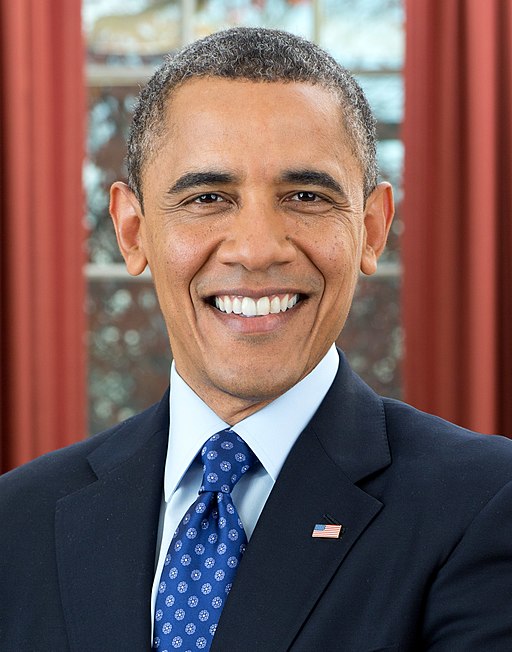
Former President Barack Obama warned that the country might not yet be ready to lift coronavirus-related restrictions. While social distancing proved effective in controlling the COVID-19 pandemic’s spread, it is essential to have a system of testing and monitoring in place before they can be lifted.
“Social distancing bends the curve and relieves some pressure on our heroic medical professionals,” Barack Obama tweeted on Wednesday. “But in order to shift off current policies, the key will be a robust system of testing and monitoring – something we have yet to put in place nationwide.”
With his tweet, Barack Obama linked a New York Times discussing how the properly reopen the U.S. without undoing the progress brought by lockdowns and distancing. Public health experts speculate that it is best to do it gradually and state-by-state, taking into account the state’s hospitals capability to treat all potential patients, according to MSN.
The NY Times article pointed out that some sort of guidelines has to be worked out to determine when a state or city is ready to be reopened. “Some cities or states will recover sooner than others,” the article said. “It’s helpful to have criteria by which cities or states could determine they’re ready.”
One factor to look into is that “hospitals in the state must be able to safely treat all patients requiring hospitalization, without resorting to crisis standards of care.” This is to ensure that future patients that might get infected once social distancing is lifted will get proper medical care.
Another factor to take into consideration is that “a state needs to be able to at least test everyone who has symptoms.” In a recent report by health experts Scott Gottlieb, Caitlin Rivers, Mark B. McClellan, Lauren Silvis, and Crystal Watson, the team estimates that the U.S. must have the capacity to run 750,000 tests a week.
“The 750,000 number should be viewed as a reasonable expectation for when we haven’t been having any major pockets or regional outbreaks to manage,” McClellan, a professor of business, medicine and policy and Duke, said. “If more testing to help contain outbreaks and potential outbreaks are needed, which seems very plausible, especially early on, the number would need to be significantly larger. We’ll also have to do some surveillance of people without symptoms, especially in higher-risk settings.”
The third factor that will determine a state’s readiness to be reopened is that “the state is able to conduct monitoring of confirmed cases and contacts.” This is necessary to determine potential COVID-19 cases resulting from having made contact with an infected person. These contacts will then be traced and be put into isolation until they are determined to befree from the virus.
Lastly, “there must be a sustained reduction in cases for at least 14 days,” according to the article. This is probably the best indicator that will show the spread of the virus has been suppressed.







