


 New Mexico Measles Outbreak Cost Reached $5.4 Million, Study Finds
  Novartis Shares Plunge After Muscle Drug Fails Phase III Trial
  BlackBerry Shares Rise as Q2 Earnings, Revenue Beat Estimates
  Oracle Shares Fall as New Mexico AI Data Center Faces Power Delays
  Moderna Wins FDA Approval for mFLUSIVA mRNA Flu Vaccine for Adults 50+
  France Battles Mediterranean Wildfires as Heatwave Fuels Fire Risk
  The government is ‘doubling down’ on its social media ban. But bigger penalties for platforms aren’t enough
  Novo Nordisk Eyes Turnaround as Oral Wegovy Challenges Eli Lilly in Weight-Loss Drug Race
  Venezuela Earthquake Health Risks Rise as Disease Monitoring Intensifies
  SoftBank Shares Fall as Oracle Flags Stargate Data Center Delay Risk
  Meta Unveils Muse Charm AI Device, Expands Smart Glasses Lineup
  SMBC Eyes 20% VPBank Stake in Vietnam Expansion
  AstraZeneca, Bristol Myers Squibb Explore Mega Merger Worth Nearly $400 Billion
  H&M Q3 Profit Beats Estimates as Margins Improve
  Novo Nordisk Raises 2025 Outlook Despite Wegovy Pill Miss and CagriSema Setback
  Former OpenAI Data Center Chief Chris Malone Joins Nvidia
  US Backs Musk in Fight Against EU’s €120 Million X Fine


 Add as a preferred source on Google
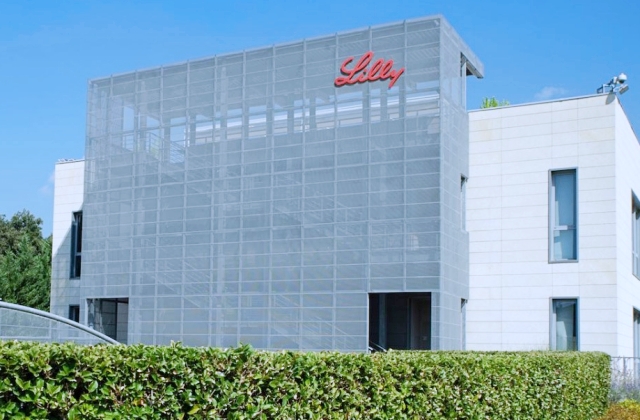
Eli Lilly has officially entered the elite $1 trillion market-value club, becoming the first pharmaceutical company to reach this milestone. The company’s extraordinary rise is fueled largely by explosive global demand for weight-loss and diabetes treatments, a sector that has rapidly transformed into one of healthcare’s most lucrative markets.
Lilly’s stock has surged more than 35% this year thanks to the success of its blockbuster drug tirzepatide, sold as Mounjaro for type 2 diabetes and Zepbound for obesity. In a remarkable shift, sales of these medicines have even surpassed Merck’s Keytruda, making tirzepatide the world’s best-selling drug. Mounjaro and Zepbound have also helped Lilly overtake longtime rival Novo Nordisk, which initially dominated the obesity-drug landscape. Novo’s Wegovy faced early supply shortages after its 2021 launch, giving Lilly crucial momentum. Stronger clinical results and faster manufacturing expansion further accelerated Lilly’s lead.
Shares briefly hit an all-time high near $1,051, and the stock now trades at a premium valuation—about 50 times expected earnings—reflecting investor confidence in long-term demand for GLP-1 treatments. Since Zepbound’s late-2023 debut, Lilly’s market performance has far outpaced the broader S&P 500, climbing more than 75%.
In the latest quarter, Lilly reported over $10 billion in combined obesity and diabetes drug revenue, representing more than half of its total $17.6 billion sales. Analysts say the company’s pipeline, pricing agreements with the U.S. government, and major domestic manufacturing investments position Lilly for continued dominance, even if near-term revenue faces pressure.
Wall Street projects the global weight-loss drug market could reach $150 billion by 2030, with Lilly poised to control a large share—especially as investors anticipate approval of its promising oral drug, orforglipron, next year.
Still, analysts caution that sustaining growth will require navigating price pressure, scaling production, and maintaining a strong pipeline. Even so, many now view Lilly as a potential alternative to tech-sector giants, especially as some AI stocks experience volatility.







