


 Oil Prices Slide on US-Iran Talks, Dollar Strength and Profit-Taking Pressure
  ECB’s Cipollone Backs Digital Euro as Europe Pushes for Payment System Independence
  Gold and Silver Prices Slide as Dollar Strength and Easing Tensions Weigh on Metals
  BOJ Policymakers Warn Weak Yen Could Fuel Inflation Risks and Delay Rate Action
  Trump’s Inflation Claims Clash With Voters’ Cost-of-Living Reality
  Fed Confirms Rate Meeting Schedule Despite Severe Winter Storm in Washington D.C.
  Vietnam’s Trade Surplus With US Jumps as Exports Surge and China Imports Hit Record
  U.S.-India Trade Framework Signals Major Shift in Tariffs, Energy, and Supply Chains
  Japan Economy Poised for Q4 2025 Growth as Investment and Consumption Hold Firm
  Asian Stocks Slip as Tech Rout Deepens, Japan Steadies Ahead of Election
  RBI Holds Repo Rate at 5.25% as India’s Growth Outlook Strengthens After U.S. Trade Deal
  Russian Stocks End Mixed as MOEX Index Closes Flat Amid Commodity Strength


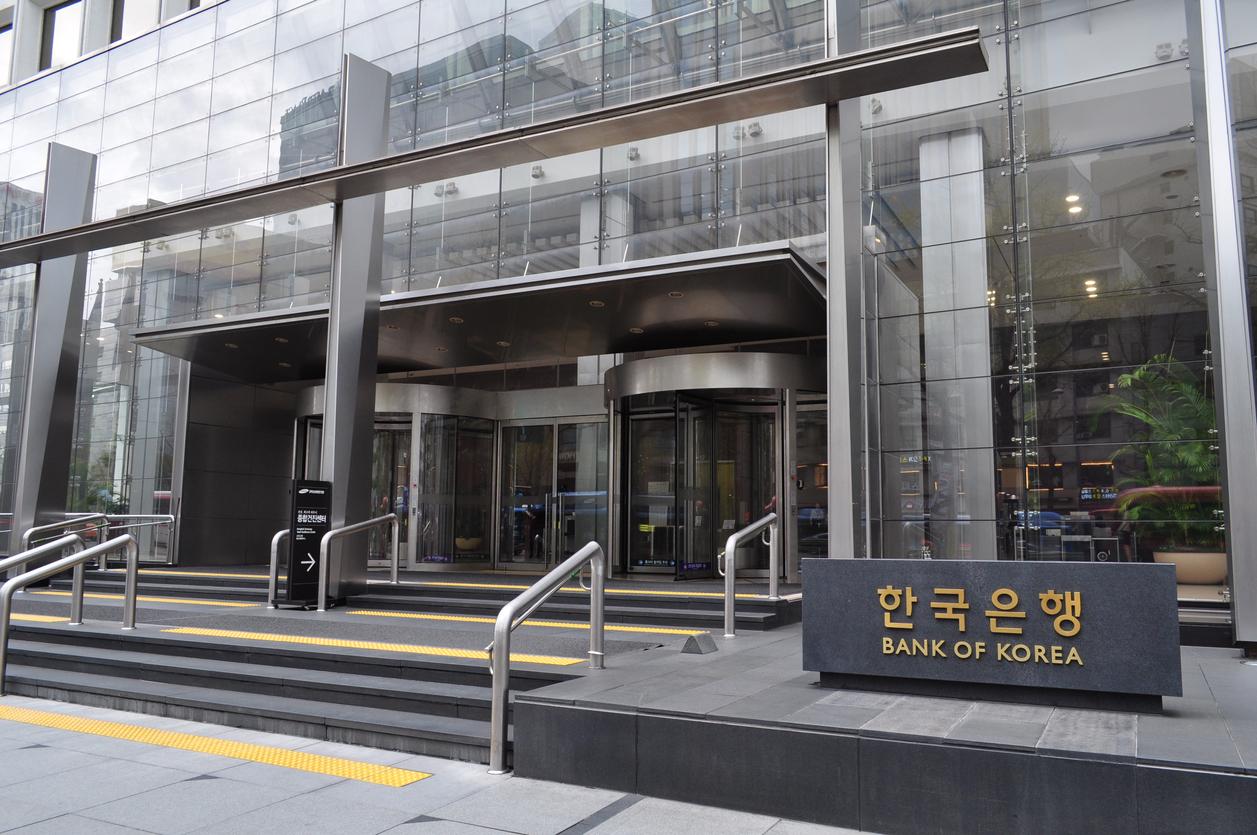
South Korea’s central bank kept its key interest rate unchanged on Thursday, maintaining a cautious stance as a sharply weakening won and cooling measures in the housing market limited room for further monetary easing. The Bank of Korea’s (BOK) seven-member monetary policy board voted to leave the benchmark rate at 2.50%, aligning with expectations from 32 of 36 economists surveyed by Reuters. The decision highlights the bank’s focus on financial stability amid growing currency pressures and ongoing government efforts to rein in surging real estate prices in Seoul.
The Korean won has been under significant downward pressure in recent weeks, making policymakers reluctant to adjust rates in a way that could trigger further currency depreciation or increase volatility in financial markets. A weaker won can drive up import costs and fuel inflation risks, adding another layer of complexity to the central bank’s policy outlook. By holding the rate steady, the BOK signals a wait-and-see approach as it monitors currency movements and evaluates the impact of government property-market interventions aimed at curbing speculative demand.
Governor Rhee Chang-yong is scheduled to elaborate on the bank’s decision and economic outlook during a press conference at 0210 GMT, which will be streamed live on YouTube. Market participants will be watching closely for insights into future policy direction, especially regarding inflation trends, growth prospects, and the potential for rate adjustments later in the year.
The rate hold reflects a delicate balance between supporting economic stability and avoiding moves that could intensify market uncertainties. As global economic conditions remain mixed and domestic challenges persist, the Bank of Korea appears poised to remain cautious, prioritizing stability while assessing how upcoming data and policy measures shape the country’s financial landscape.













