


 Indonesia Passes New Central Bank Law, Raising Investor Concerns Over Policy Independence
  Japan Signals Preference for Low Interest Rates as BOJ Policy Debate Intensifies
  Goldman Sachs Sees Fed Holding Interest Rates Steady Until 2027
  Oil Prices Drop as Middle East Supply Recovery Eases Market Concerns
  Malaysia Central Bank Moves to Support Ringgit Amid Foreign Fund Outflows
  South Korea Signals Possible Interest Rate Hike as Inflation Remains Elevated
  South Korea’s KOSPI Jumps Over 5% as Samsung, SK Hynix Rally on Micron Earnings Boost
  Gold Prices Fall Below $4,000 as Strong Dollar, Fed Rate Hike Bets Weigh on Bullion
  Iran Attack in Strait of Hormuz Pushes Oil Prices Higher
  US Dollar Slips After PCE Inflation Data Eases Fed Rate Hike Expectations
  RBA Expected to Hold Interest Rates at 4.35% as Markets Watch AUD/USD and ASX 200
  U.S. Dollar Reaches One-Year High as Tech Sell-Off and Fed Rate Hike Expectations Support Demand
  SpaceX Eyes Starlink Mobile Phone Service to Challenge Verizon, AT&T, and T-Mobile
  South Korea Remains MSCI Emerging Market Despite Reform Progress
  Gold Drops Below $4,000 as Strong US Dollar and Fed Rate Hike Expectations Pressure Bullion


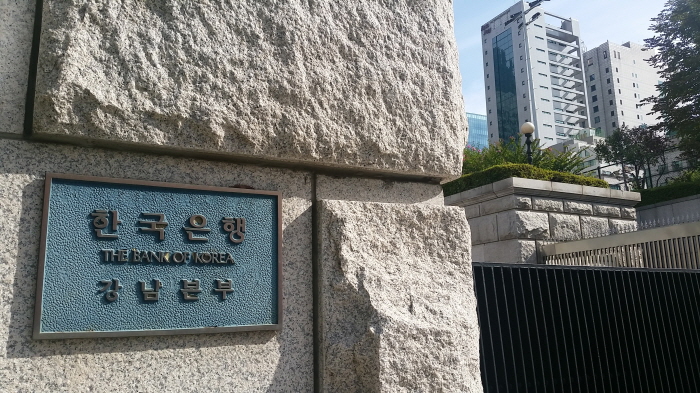
South Korea's Bank of Korea governor nominee, Shin Hyun-song, signaled on Monday that policymakers stand ready to intervene should the Korean won experience excessive depreciation. In written statements submitted to parliament ahead of his confirmation hearing scheduled for Wednesday, Shin emphasized the need for close monitoring of foreign exchange market conditions amid ongoing global uncertainty.
While the dollar-won exchange rate recently eased to around the 1,480 level, Shin noted that the won's decline since the outbreak of the Middle East conflict has been more pronounced compared to other major currencies. On Monday alone, the won slid as much as 1.1%, reaching 1,499.7 against the dollar, following the collapse of weekend negotiations between the United States and Iran over the ongoing war in the region.
Despite the currency's volatility, Shin reassured lawmakers that current liquidity conditions remain stable, suggesting that the exchange rate level itself is not yet a cause for alarm. He declined, however, to provide a specific outlook on where exchange rates are headed, keeping his forward guidance measured and cautious.
On the topic of monetary policy, Shin indicated that rising inflation pressures stemming from the Middle East conflict would be a primary consideration in future interest rate decisions, according to reporting by Yonhap News Agency. At the same time, he acknowledged that downward risks to economic growth are being partially offset by strong semiconductor exports and a government-approved extra budget.
Last week, the Bank of Korea held its benchmark policy interest rate steady while flagging significant uncertainty in the economic outlook. The central bank also revised its growth forecasts downward and raised its inflation projections, reflecting the complex challenges South Korea faces amid geopolitical tensions and shifting global trade dynamics.







