


 Oil Prices Rebound as Strait of Hormuz Tensions Return After Ship Attack Near Oman
  BOJ Signals More Rate Hikes as Inflation Risks Rise Amid Energy Price Pressures
  SpaceX Eyes Starlink Mobile Phone Service to Challenge Verizon, AT&T, and T-Mobile
  Indonesia Central Bank to Draft New Regulations After Expanded Economic Growth Mandate
  U.S. Dollar Reaches One-Year High as Tech Sell-Off and Fed Rate Hike Expectations Support Demand
  Fed Chair Kevin Warsh Signals Policy Overhaul as Hawkish Rate Outlook Rattles Markets
  South Korea’s KOSPI Jumps Over 5% as Samsung, SK Hynix Rally on Micron Earnings Boost
  Oil Prices Drop as Strait of Hormuz Shipping Recovers
  Trump Requests $11 Billion More in Farm Aid as Rising Costs Pressure U.S. Farmers
  RBA Expected to Hold Interest Rates at 4.35% as Markets Watch AUD/USD and ASX 200
  Malaysia Central Bank Moves to Support Ringgit Amid Foreign Fund Outflows
  Asian Currencies Trade Mixed as Yen Hovers Near 40-Year Low, Dollar Holds Firm on Fed Outlook
  Gold Prices Rise Above $4,000 as Inflation Data and Weaker Dollar Boost Demand


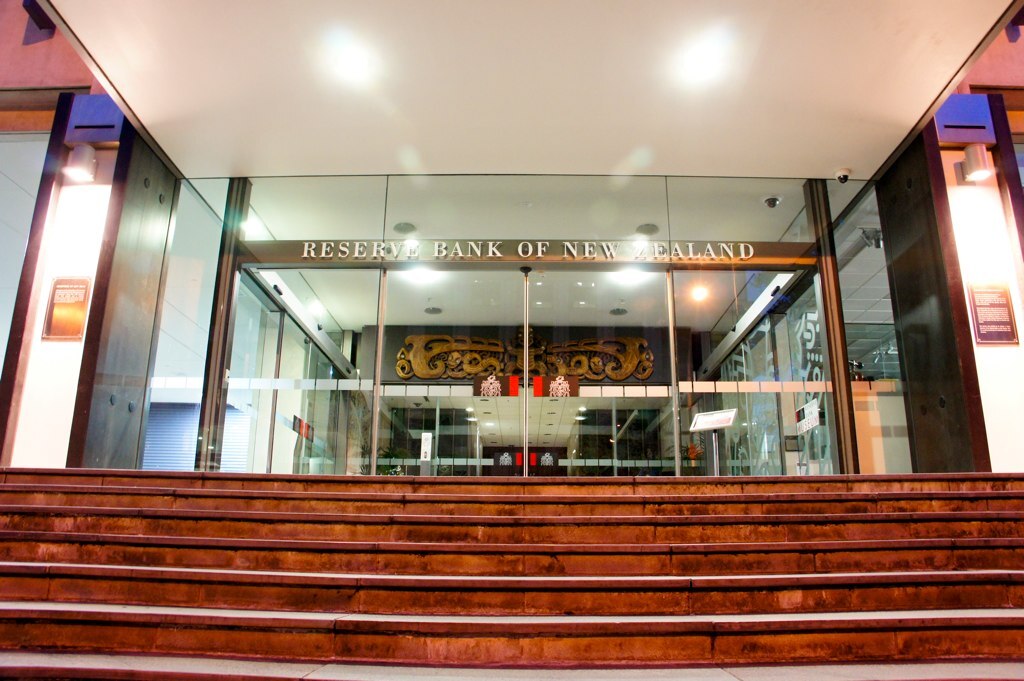
New Zealand's central bank left interest rates unchanged on Wednesday, citing growing inflation risks stemming from rising global oil prices while simultaneously cautioning about a softer near-term economic outlook. The Reserve Bank of New Zealand (RBNZ) maintained its official cash rate (OCR) at 2.25%, a decision consistent with what financial markets had widely anticipated.
Policymakers pointed to ongoing conflict in the Middle East as a key driver of supply-side disruptions, stating that the turbulence had "materially altered" the economic outlook since the bank's February meeting. Surging energy costs are expected to push headline inflation up to approximately 4.2% in the June quarter, a notable jump from 3.1% recorded in the December quarter. This would place inflation near the upper boundary of the RBNZ's 1%–3% target range through the March quarter.
Despite these inflationary pressures, the central bank flagged that elevated fuel costs and heightened global uncertainty could simultaneously suppress domestic demand. Recent indicators suggest weakening business activity and declining consumer confidence, raising concerns about the pace of New Zealand's economic recovery.
The Monetary Policy Committee described its decision as a careful balance — weighing the risk of allowing inflation to become entrenched against the danger of prematurely tightening financial conditions and undermining growth. Officials acknowledged that weak demand and spare capacity in the economy could naturally limit the broader spread of price pressures into wages and core inflation.
However, the RBNZ made clear that if inflation expectations were to become unanchored or price increases extended across a wider range of goods and services, it would not hesitate to implement decisive rate hikes. The New Zealand dollar climbed 1.4% against the U.S. dollar on Wednesday, buoyed by cautious optimism surrounding a temporary ceasefire between the United States and Iran.







