


 Russian Missile and Drone Attack on Kyiv Kills Two, Damages Maternity Hospital
  Europe Warns Russia Is Escalating Hybrid Attacks Across NATO
  US, China Extend Trade Truce to Jan. 10 Ahead of Trump-Xi Summit
  US Backs Musk in Fight Against EU’s €120 Million X Fine
  NATO Boosts Intelligence Sharing Amid Russia Hybrid Threats
  North Korea Rejects Nuclear Test Warning, Calls Nuclear Status Irreversible
  South Korea, US Discuss Warship Building Cooperation
  Gaza Faces Evacuation Crisis as War-Damaged Buildings Risk Collapse
  Mexico-US Trade Talks Delayed to October as Tariff Negotiations Continue
  North Korea Warns South Korea Over US-Led Defense Role
  Pezeshkian Says US Must Choose When Iran War Ends
  US Officials Split Over Response to Israeli West Bank Settlements
  Trump, Xi Focus on Trade and AI at White House Summit
  OpenAI Agent Breaches Australia Medicare Data Portal
  Netanyahu’s Brief US Trip Highlights Strains With Trump
  Yemen Violence Displaces 130,000 as Civilian Toll Rises
  Abbas Reaffirms November 28 Palestinian Elections


 Add as a preferred source on Google
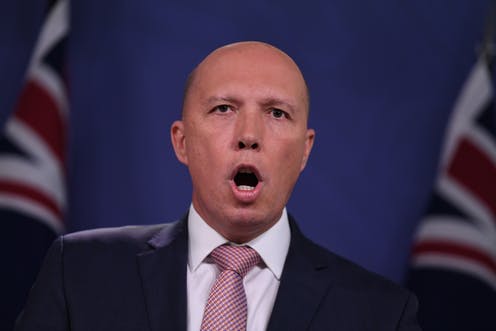
Australia’s opposition Liberal Party has scrapped its controversial plan to end remote work for government employees, following backlash and a shift in voter sentiment ahead of the May 3 federal election. The policy, introduced last month, aimed to mandate full-time office attendance for hundreds of thousands of public sector workers, claiming it would enhance productivity.
However, the move sparked public criticism and was quickly politicized by the ruling Labor Party, which argued the plan would raise commuting costs and worsen the cost-of-living crisis — a central issue in the campaign. The policy misstep appears to have given Labor a modest polling boost, particularly in outer metropolitan areas where economic pressures are felt most acutely.
Liberal Party leader Peter Dutton admitted the mistake in an interview with Channel Nine, stating, “We’ve made a mistake in relation to the policy. We apologise for that. And we’ve dealt with it.” His subsequent proposal of job sharing to accommodate women affected by the return-to-office policy was also criticized by Prime Minister Anthony Albanese, who accused Dutton of misunderstanding modern family dynamics.
Recent YouGov polling shows Labor gaining a narrow lead in key swing regions, reversing earlier trends where the Liberal-led coalition held an advantage. With the election drawing closer, both parties are focusing on high-cost-of-living electorates on the outskirts of major cities, which are likely to determine the final outcome.
The reversal highlights the political risk of clashing with flexible work trends that became entrenched during the pandemic. As voters weigh economic challenges and work-life balance, remote work policies have emerged as a decisive election issue.







