


 Mexico-US Trade Talks Delayed to October as Tariff Negotiations Continue
  Asian Currencies Mixed as Dollar Holds Near Two-Month High
  Trump, Xi Focus on Trade and AI at White House Summit
  Oil Prices Jump 3% as Houthi Attack Revives Supply Fears
  Fed Unveils Stablecoin Rules Under GENIUS Act
  China’s ‘Lipstick King’ Says AI Won’t Replace Livestream Hosts
  Japan Private-Sector Growth Slows as Domestic Demand Weakens
  Oil Prices Fall on U.S.-Iran Hormuz Deal Hopes
  US Stock Futures Fall as Treasury Yields Surge Ahead of Trump-Xi Summit
  Australia Unemployment Hits Five-Year High Despite Strong Jobs Growth
  Wall Street Ends Flat as Oil, Treasury Yields and Fed Jitters Rattle Markets
  US 10-Year Treasury Yield at 6% Emerges as New Market Risk Threshold
  Fed Unveils Stablecoin Rules Under GENIUS Act
  Japanese Bank Stocks Surge as Bond Yields Fuel Rate Hike Bets
  Fed’s Hammack Says Bond Yield Surge Is Not Driven by Inflation Fears
  Asian Stocks Fall as Bond Yields Surge Ahead of Trump-Xi Summit


 Add as a preferred source on Google
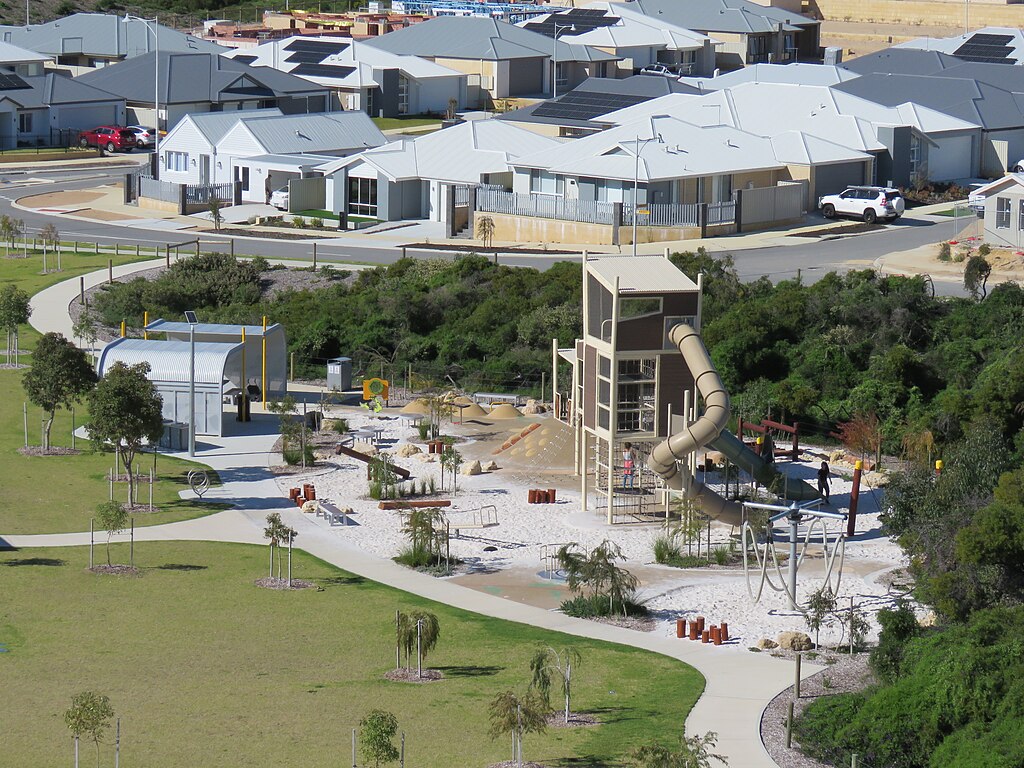
Australian home prices are forecast to rise more sharply in 2026 than previously expected, driven by a persistent shortage of properties and unwavering buyer demand. A recent Reuters poll of property analysts shows confidence that the nation’s housing market will continue its upward trajectory, even as affordability remains a major challenge for first-time buyers.
Following a 40% surge in home values during the pandemic and a subsequent 9% decline during the Reserve Bank of Australia’s aggressive rate hikes, the market has regained momentum. The RBA’s 75 basis points of rate cuts in 2025 reignited buyer competition, pushing the national median home price to a record A$872,538 in October. With interest rates likely to hold at 3.60%, analysts expect housing prices to outpace inflation well into next year.
The survey, conducted from November 13 to 26, shows national home prices rising about 8% this year and 6.9% in 2026—significantly higher than earlier forecasts. Major cities including Sydney, Melbourne, Brisbane, Adelaide, and Perth are all expected to post gains of 5% to 7% next year.
Industry experts point to improving consumer confidence following rate cuts and renewed “fear of missing out” among buyers. Yet supply remains far too limited to keep pace with population growth and migration. Analysts highlight a critical shortage of entry-level homes, making conditions tougher for first-time buyers grappling with high rents, stagnant wage growth, and tight borrowing capacity.
Australia’s median home value is now nearly eight times the average annual income, with most households owning property. While government initiatives such as allowing first-time buyers to purchase with a 5% deposit offer some relief, experts warn they may inflate demand without addressing the core issue: insufficient housing supply.
Despite a federal pledge to build 1.2 million homes by 2030, many economists doubt the goal is achievable, noting high construction costs and labor shortages will continue to limit new supply.







