


 Australia Unemployment Hits Five-Year High Despite Strong Jobs Growth
  European Stocks Fall as Bond Yields and Geopolitical Risks Weigh
  Wall Street Ends Flat as Oil, Treasury Yields and Fed Jitters Rattle Markets
  Dollar Falls as Oil Eases, Yen Jumps on Intervention Signals
  Gold Holds Near $4,275 as Rising Treasury Yields Fuel Fed Rate Hike Bets
  Mexico-US Trade Talks Delayed to October as Tariff Negotiations Continue
  Fed Unveils Stablecoin Rules Under GENIUS Act
  Gold Prices Fall as Treasury Yields Rise on Fed Rate Hike Bets
  U.S. Dollar Hits Two-Month High as Oil, Treasury Yields Surge
  U.S. Treasury Yields Surge as 30-Year Hits 22-Year High
  Asian Stocks Fall as Surging Bond Yields Rattle Markets
  UK PM Burnham to Unveil Economic Vision at Labour Conference
  Soybean Futures Slip as Traders Await Trump-Xi Trade Signals
  Asian Currencies Mixed as Dollar Holds Near Two-Month High
  US Stock Futures Fall as Treasury Yields Surge Ahead of Trump-Xi Summit
  RBI Uses $10 Billion Currency Swaps to Drain Excess Rupee Liquidity


 Add as a preferred source on Google
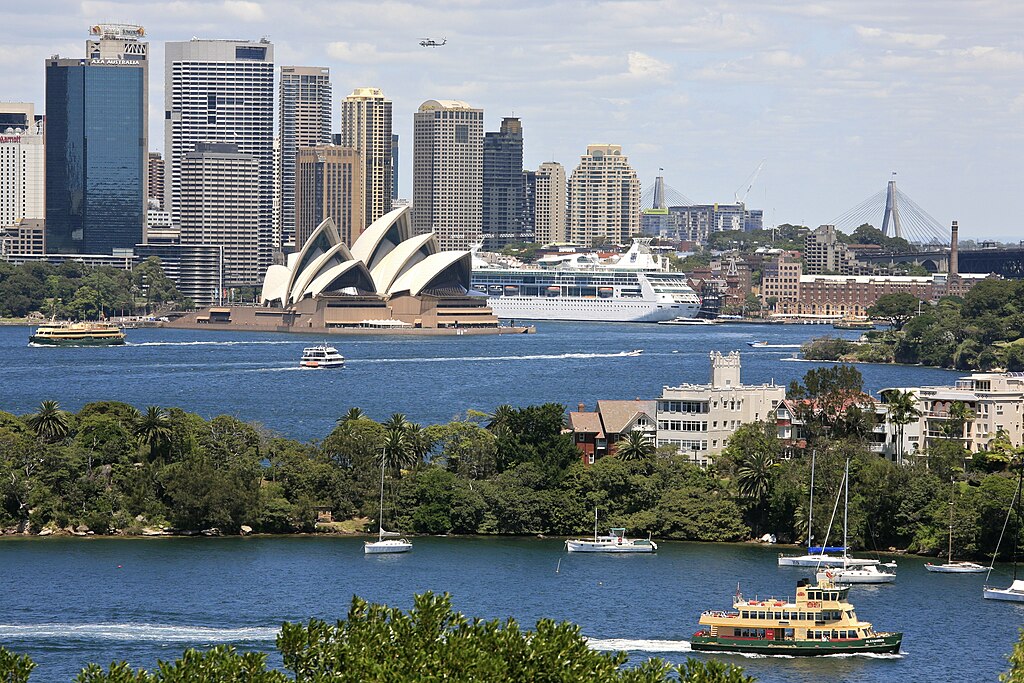
Australia’s consumer prices rose at the slowest pace in more than four years during the June quarter, reinforcing market expectations for an interest rate cut by the Reserve Bank of Australia (RBA) next month.
Data from the Australian Bureau of Statistics showed the consumer price index (CPI) increased 0.7% in the June quarter, below market forecasts of 0.8%. Annual CPI inflation eased to 2.1%, down from 2.4%, and fell short of analysts’ expectations. This marks a significant slowdown, bringing headline inflation well within the RBA’s 2% to 3% target range.
Core inflation, measured by the trimmed mean CPI, also softened. It rose 0.6% in the quarter versus forecasts of 0.7%, while the annual rate declined to 2.7% from 2.9%. This is the lowest level in three years and signals easing price pressures across key sectors, including retail and housing.
The sharp cooling in inflation has strengthened market bets that the RBA could cut interest rates as early as its upcoming policy meeting. Investors are now pricing in a near-certainty of a rate reduction to support economic growth amid subdued consumer spending and global uncertainties.
Australia’s inflation trend mirrors easing price pressures seen in other major economies, boosting confidence that central banks can pivot toward more accommodative policies. Analysts suggest the RBA’s decision will hinge on upcoming labor market and wage growth data, which remain key indicators of underlying economic strength.
With inflation moderating and the economy showing signs of cooling, financial markets are closely watching the RBA’s next move, which could mark the start of a new phase in Australia’s monetary policy cycle.







