


 NATO Boosts Intelligence Sharing Amid Russia Hybrid Threats
  Trump, Xi Visit US National Archives After White House Summit
  What ‘Taiwan Independence’ Means as Xi Presses Trump on US Policy
  US Senate Rejects Iran War Powers Resolution in 50-49 Vote
  North Korea Rejects Nuclear Test Warning, Calls Nuclear Status Irreversible
  Saudi Arabia, Turkey and Pakistan Plan Urgent Defence Talks Over Houthi Attacks
  Pezeshkian Says US Must Choose When Iran War Ends
  Netanyahu’s Brief US Trip Highlights Strains With Trump
  Ukrainian Drone Attacks Hit Russian Regions, Injuring at Least 12
  Trump Asks Supreme Court to Restore Third-Country Deportations
  EU Defence Build-Up Too Slow for 2030 Russia Readiness Goal
  US Comfortable With Canada Trade Standoff as Import Bans Loom
  Trump, Xi Focus on Trade and AI at White House Summit
  Abbas Reaffirms November 28 Palestinian Elections
  Putin Says Ukraine Peace Proposals Remain on Table
  France Defends Netanyahu Airspace Clearance Despite ICC Warrant
  North Korea Warns South Korea Over US-Led Defense Role


 Add as a preferred source on Google
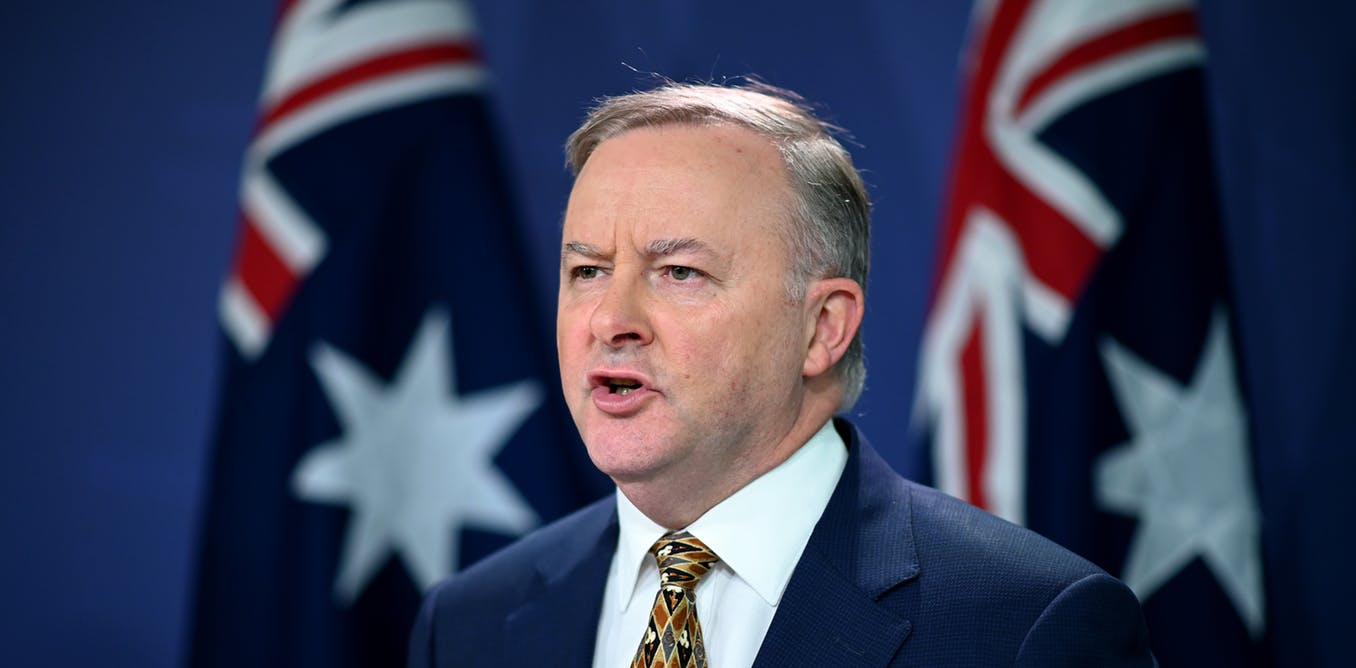
Australian Prime Minister Anthony Albanese reaffirmed his government’s commitment to a two-state solution during talks with UK Prime Minister Keir Starmer on Thursday, addressing the ongoing Gaza crisis. The discussion comes as Britain signals it may recognize a Palestinian state at the United Nations in September, a move driven by mounting global outrage over widespread starvation in Gaza.
While Australia has not formally committed to recognizing Palestine, Albanese emphasized support for Israel’s right to secure borders and Palestinians’ right to statehood. He and Starmer agreed on the need to leverage international momentum to push for a ceasefire, the release of Israeli hostages, and the rapid delivery of humanitarian aid, while ensuring Hamas is excluded from future governance of a Palestinian state.
The humanitarian crisis in Gaza has intensified global calls for action. France and Canada have also indicated willingness to recognize Palestinian statehood, drawing sharp criticism from Israel, which argues such moves reward Hamas. A global hunger monitor recently warned of a looming famine in the enclave, heightening urgency for diplomatic resolutions.
Australian Treasurer Jim Chalmers acknowledged significant hurdles remain, particularly regarding hostages and Hamas’s potential involvement in Palestinian governance. However, he signaled recognition is inevitable, stating, “It’s a matter of when, not if,” while declining to set a specific timeline.
Australia’s cautious stance reflects growing international pressure to address the crisis while balancing strong ties with Israel. The coming months could prove decisive as global leaders prepare for the UN General Assembly and debate formal recognition of Palestinian statehood.
This evolving diplomatic landscape underscores the complexity of achieving peace in the region, with Australia navigating its role amid heightened tensions and humanitarian urgency.







