


 US, EU Push for Action Against Asia’s Excess Factory Capacity
  Marco Rubio Warns Russia-Ukraine War Could Spark Wider Conflict
  RFK Jr. Launches Nationwide Vaccine Safety Review
  Trump Says He Deserves 2026 Nobel Peace Prize Despite Uncertain Chances
  Trump Buys Up to $25M in Meta Stock, Invests in SpaceX Debt
  Maduro, Wife May Face New US Torture Charges
  US Charges Maduro and Wife With Torture Conspiracy
  Trump Rallies in Texas as Republicans Face Tight Midterm Races
  Saudi Arabia Probes Flydubai Cockpit Attack
  Trump Weighs FBI Probe Into Nolan Wells’ Death
  Venezuela’s Machado Calls for Elections by July 2027
  US Pressures Allies to Distance From Anti-Disinformation Conference
  US Suspends Microsoft, Adobe From Green Card Program
  EU Rejects Italy, Greece Calls for Fiscal Rule Flexibility
  ICC Rules Duterte Fit to Stand Trial in Drug War Case
  Pentagon Orders Iran Strike Preparations as Trump Weighs Military Action
  Saudi Airport Attacks Kill Three as Yemen Fighting Escalates


 Add as a preferred source on Google
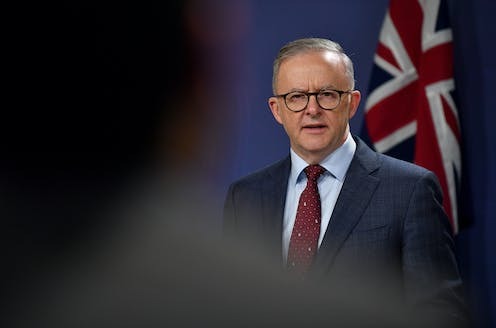
Australian Prime Minister Anthony Albanese has confirmed that the government will not repatriate Australians currently detained in a Syrian camp housing families of suspected Islamic State (ISIS) militants. Speaking to ABC News on Tuesday, Albanese reiterated Canberra’s firm stance on the issue, emphasizing that Australia would not provide assistance or facilitate the return of its citizens from the detention facility in northern Syria.
The Syrian camp, widely known for holding foreign nationals linked to ISIS fighters, has been a source of ongoing international debate. Governments around the world continue to face pressure over whether to repatriate citizens detained in such facilities, where humanitarian concerns often collide with national security priorities. Albanese made it clear that Australia’s position remains unchanged, stating, “We have a very firm view that we won’t be providing assistance or repatriation.”
According to two sources who spoke to Reuters, thirty-four Australians were briefly released from the camp on Monday. However, they were reportedly returned to the detention center shortly afterward due to what officials described as “technical reasons.” Details surrounding the nature of these technical issues have not been publicly disclosed.
The decision underscores Australia’s cautious approach to managing citizens associated with ISIS-controlled territories. Security experts have long warned that repatriating individuals from Syrian detention camps presents complex legal, logistical, and security challenges. Critics argue that leaving citizens in unstable regions could worsen humanitarian conditions, particularly for women and children, while supporters of the government’s stance maintain that domestic security must remain the top priority.
The Syrian camp in question, located in the country’s north, continues to house thousands of individuals linked to ISIS fighters. As geopolitical tensions persist and international coalitions reassess their strategies against extremism, Australia’s refusal to repatriate its citizens highlights the broader global struggle over responsibility, counterterrorism policy, and the long-term consequences of the Islamic State conflict.
With the Albanese government maintaining its firm position, the future of the detained Australians remains uncertain, adding another layer to the ongoing debate over ISIS detainees in Syria and international repatriation policies.







