


 Evan Gershkovich Says FSB Set Trap for 2023 Russia Arrest
  Dollar Holds Near Two-Month High as Yen Approaches 160
  Australia Unemployment Hits Five-Year High Despite Strong Jobs Growth
  Gold Prices Fall as Treasury Yields Rise on Fed Rate Hike Bets
  Asian Stocks Fall as Surging Bond Yields Rattle Markets
  Netanyahu’s Brief US Trip Highlights Strains With Trump
  China’s ‘Lipstick King’ Says AI Won’t Replace Livestream Hosts
  European Stocks Fall as Bond Yields and Geopolitical Risks Weigh
  US Comfortable With Canada Trade Standoff as Import Bans Loom
  Japanese Yen Rebounds as Trump Flags Currency Weakness
  North Korea Rejects Nuclear Test Warning, Calls Nuclear Status Irreversible
  U.S. Treasury Yields Surge as 30-Year Hits 22-Year High
  Wall Street Ends Flat as Oil, Treasury Yields and Fed Jitters Rattle Markets
  Saudi Arabia, Turkey and Pakistan Plan Urgent Defence Talks Over Houthi Attacks
  Oil Prices Jump 3% as Houthi Attack Revives Supply Fears
  US Senate Rejects Iran War Powers Resolution in 50-49 Vote


 Add as a preferred source on Google
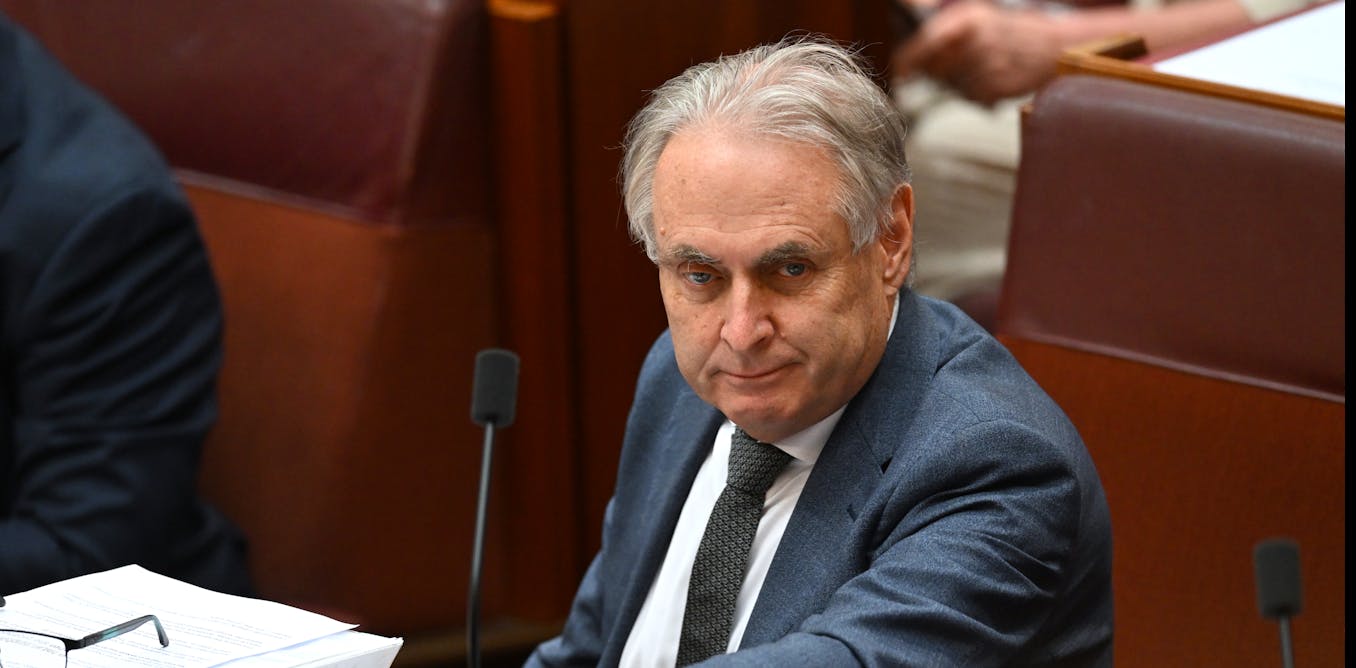
Australia’s Trade Minister Don Farrell confirmed Friday that the United States has kept tariffs on Australian goods at the lowest possible rate under its new reciprocal trade regime. The White House’s confirmation means U.S. President Donald Trump’s executive order, which imposes reciprocal tariffs of 10% to 41% on dozens of nations, leaves Australia at the 10% baseline.
Farrell’s spokesperson emphasized Australia’s favorable position but reaffirmed the government’s push for complete tariff removal in line with the U.S.-Australia Free Trade Agreement. “We remain in the best possible position under the United States’ new tariff regime and will continue to advocate for the removal of all tariffs,” the statement said.
Australia’s trade relationship with the U.S. is among the strongest globally, with Washington running a trade surplus of $17.9 billion in 2024—a 1.6% increase from 2023, according to data from the U.S. Trade Representative’s office. Australian officials often highlight this surplus during negotiations to reinforce the mutual benefits of open trade.
The tariff announcement follows Australia’s recent easing of restrictions on U.S. beef imports, a move Prime Minister Anthony Albanese clarified was not tied to current trade talks. However, the policy shift could improve relations amid ongoing negotiations.
Neighboring New Zealand faces higher tariffs under the new framework, with rates increasing to 15% from the previously announced 10% baseline in April. New Zealand Trade Minister Todd McClay told Radio New Zealand that direct discussions with U.S. counterparts are planned, noting positive engagement so far.
The U.S. tariffs, part of Trump’s broader protectionist approach, aim to create “reciprocal fairness” in global trade, affecting numerous allies while preserving favorable terms for key partners like Australia.







