


 Mexico-US Trade Talks Delayed to October as Tariff Negotiations Continue
  U.S. Treasury Yields Surge as 30-Year Hits 22-Year High
  Kremlin Says No Decision Yet on Putin-Trump December Summit
  Ukrainian Drone Attacks Hit Russian Regions, Injuring at Least 12
  Asian Stocks Fall as Surging Bond Yields Rattle Markets
  North Korea Rejects Nuclear Test Warning, Calls Nuclear Status Irreversible
  Gold Prices Fall as Treasury Yields Rise on Fed Rate Hike Bets
  Russian Missile and Drone Attack on Kyiv Kills Two, Damages Maternity Hospital
  North Korea Warns South Korea Over US-Led Defense Role
  EU Defence Build-Up Too Slow for 2030 Russia Readiness Goal
  Wall Street Ends Flat as Oil, Treasury Yields and Fed Jitters Rattle Markets
  Japanese Bank Stocks Surge as Bond Yields Fuel Rate Hike Bets
  US Stock Futures Fall as Treasury Yields Surge Ahead of Trump-Xi Summit
  Oil Prices Jump 3% as Houthi Attack Revives Supply Fears
  Asian Currencies Mixed as Dollar Holds Near Two-Month High
  Asian Stocks Fall as Bond Yields Surge Ahead of Trump-Xi Summit


 Add as a preferred source on Google
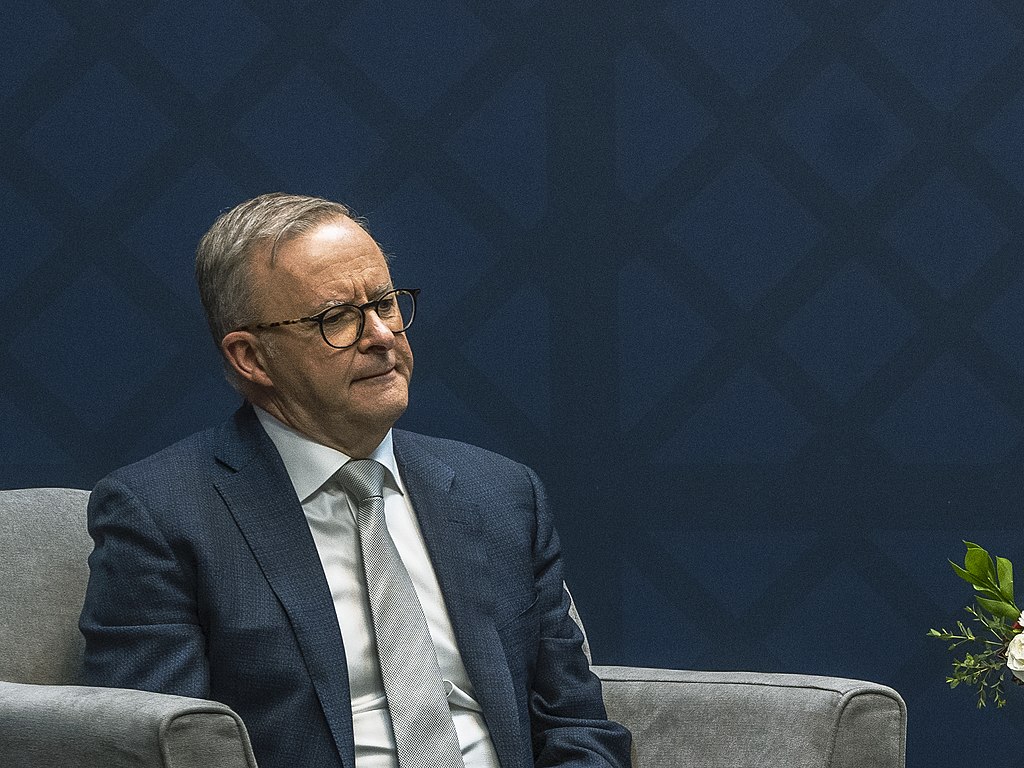
Australia is expected to remain subject to a 10% tariff on all exports to the United States, Prime Minister Anthony Albanese said Friday, as the government continues efforts to secure an exemption.
The U.S. “reciprocal” tariff pause is set to expire on July 9, prompting President Donald Trump to begin notifying trading partners of new tariff rates. Speaking at an event in Sydney, Albanese confirmed that Australia will likely stay at the 10% baseline rate. “I assume that will be the case,” he said, adding that the July 9 deadline is primarily aimed at countries facing higher rates.
“No country has a better tariff level than 10%,” Albanese noted. “We will continue to put our case forward as we do.”
Although Australia avoids the steepest penalties, the government remains focused on negotiating improved trade terms. The recent cancellation of a planned meeting between Albanese and Trump at the G7—cut short by Trump amid rising tensions in the Middle East—has delayed direct talks. However, Albanese expressed optimism that there would be "many opportunities" to engage with Trump at upcoming forums before year’s end.
The U.S. tariffs, part of a broader policy shift by the Trump administration to reset trade balances, have placed global partners under pressure to renegotiate access. Australia, despite its close diplomatic ties with Washington, is still navigating these challenges as it seeks to safeguard its export competitiveness.
The trade uncertainty comes at a critical time for Australian exporters, with sectors like agriculture and mining closely watching developments. Canberra's continued diplomatic outreach could shape the trajectory of future U.S.-Australia trade relations.







