


 China’s ‘Lipstick King’ Says AI Won’t Replace Livestream Hosts
  US, China Extend Trade Truce to Jan. 10 Ahead of Trump-Xi Summit
  Japanese Bank Stocks Surge as Bond Yields Fuel Rate Hike Bets
  U.S. Dollar Hits Two-Month High as Oil, Treasury Yields Surge
  Asian Stocks Fall as Bond Yields Surge Ahead of Trump-Xi Summit
  Asian Stocks Fall as Surging Bond Yields Rattle Markets
  Gold Prices Fall as Treasury Yields Rise on Fed Rate Hike Bets
  Oil Prices Jump 3% as Houthi Attack Revives Supply Fears
  U.S. 10-Year Treasury Yield Hits 2007 High as Fed Rate Hike Bets Rise
  Russian Envoy Dmitriev Heads to US for Ukraine Talks
  Trump, Xi Focus on Trade and AI at White House Summit
  Gold Holds Near $4,275 as Rising Treasury Yields Fuel Fed Rate Hike Bets
  South Korea, US Discuss Warship Building Cooperation
  Australia Unemployment Hits Five-Year High Despite Strong Jobs Growth
  European Stocks Fall as Bond Yields and Geopolitical Risks Weigh
  US 10-Year Treasury Yield at 6% Emerges as New Market Risk Threshold
  Soybean Futures Slip as Traders Await Trump-Xi Trade Signals


 Add as a preferred source on Google
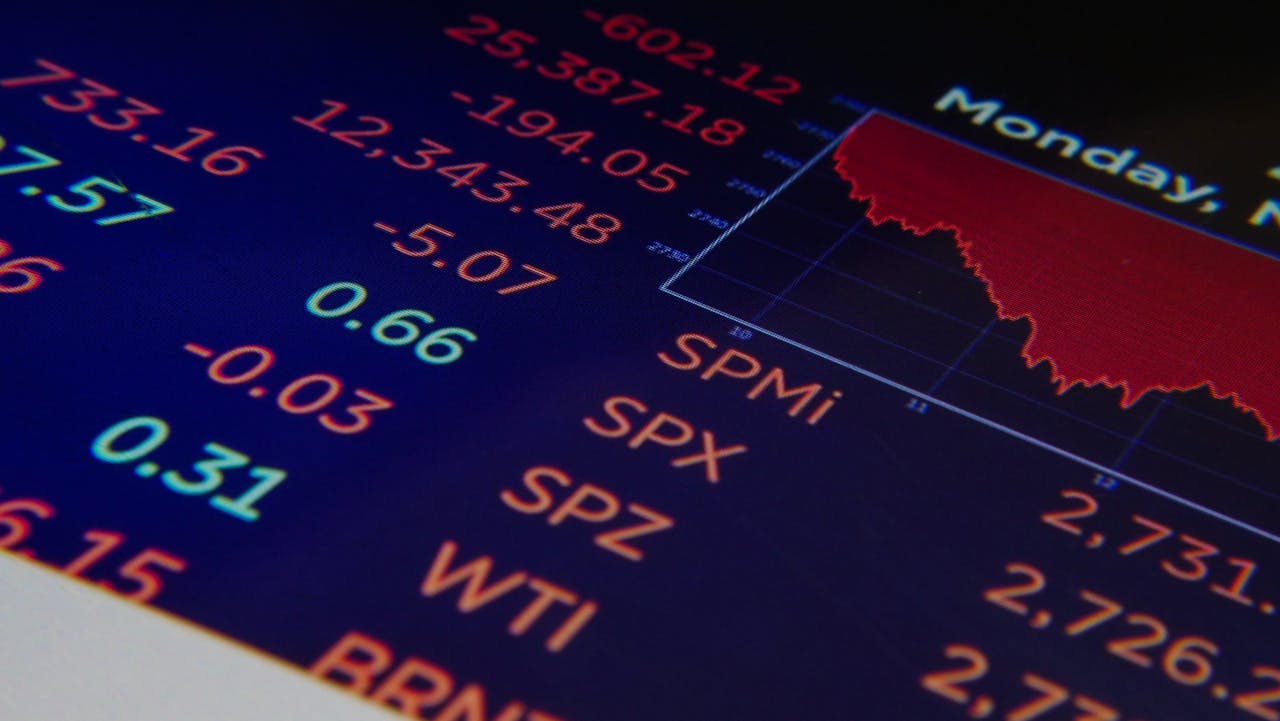
Asian stock markets showed mixed but generally positive performance on Wednesday, led by strong gains in Japanese stocks and renewed optimism around China’s economy and technology sector. Japan’s equity markets surged to fresh record highs amid speculation of a snap election and expectations of increased fiscal stimulus from Tokyo, while Chinese stocks advanced on robust trade data and continued momentum in technology shares.
Japan’s Nikkei 225 climbed 1.6% to a record 54,442 points, while the TOPIX index rose 0.8% to a new peak of 3,630.76. Investor sentiment was buoyed by reports suggesting Prime Minister Sanae Takaichi may dissolve the lower house of parliament to call a snap election as early as February. Markets interpreted this as a signal that the government could expand fiscal stimulus, particularly if Takaichi strengthens her parliamentary position. The prospect of looser fiscal policy pushed the Japanese yen to its weakest level in nearly two years, boosting export-heavy stocks and adding further support to equities, despite concerns that such policies may strain Japan’s long-term fiscal health.
Chinese markets also posted solid gains, supported by strong economic data and optimism around artificial intelligence and semiconductors. The Shanghai Shenzhen CSI 300 and the Shanghai Composite Index rose more than 1% each, reaching multi-year highs, while Hong Kong’s Hang Seng Index added 0.5%. Data showed China’s trade surplus hit a record $1.25 trillion in 2025, with strong demand from Europe offsetting weaker U.S. exports. A sharp rise in December imports further raised hopes that domestic demand is recovering under continued policy support from Beijing.
Technology stocks in China and Hong Kong extended their rally, fueled by recent high-profile AI-related IPOs and growing confidence in the country’s push toward self-reliance in advanced chips. Chipmaking shares rose after reports that Beijing plans to limit access to Nvidia’s H200 AI chips, even after Washington approved their sale to China, reinforcing support for local semiconductor firms.
Elsewhere in Asia, markets were more subdued. South Korea’s KOSPI fell 0.3% as a tech-led rally cooled, while Australia, Singapore, and India also edged lower amid cautious global sentiment and concerns over U.S. trade policies.







