


 Goldman Sachs Sees US Stock Buybacks Outpacing Equity Issuance as AI Funding Rises
  Oil Prices Rise as US-Iran Talks Stall, Inflation Risks Grow
  Gold Prices Hold Near Seven-Week High as Markets Await U.S. Inflation Data
  Dollar Steady as Markets Await U.S. Inflation Data
  UK Retail Sales Rise as World Cup and Heatwave Boost Food, Pubs and Clothing
  Iran War Escalates as US, Houthis Target Ships Near Key Oil Routes
  Asian Stocks Rise as AI Chip Rally Lifts South Korea, Japan
  Gold Prices Rise as Fed Rate Hike Bets Ease
  Asian Currencies Steady as Markets Await U.S. Inflation Data
  Oil Prices Rise as Hormuz Reopening Remains Uncertain
  Oil, Gold Rise as Geopolitical Risks Grip Markets Ahead of U.S. CPI
  Australia Housing Crisis Deepens as Worker Shortages Delay Homebuilding
  S&P 500, Nasdaq Futures Rise as Iran Risks and CPI Loom
  Gold Price Hits Two-Month High as Investors Await US Inflation Data
  European Stocks Flat as Oil Prices Rise, US CPI in Focus
  Wall Street Slips as Oil Prices Surge 5% on Iran-Hormuz Uncertainty
  Canada, US Hold Fresh Trade Talks as August 19 Tariff Deadline Nears


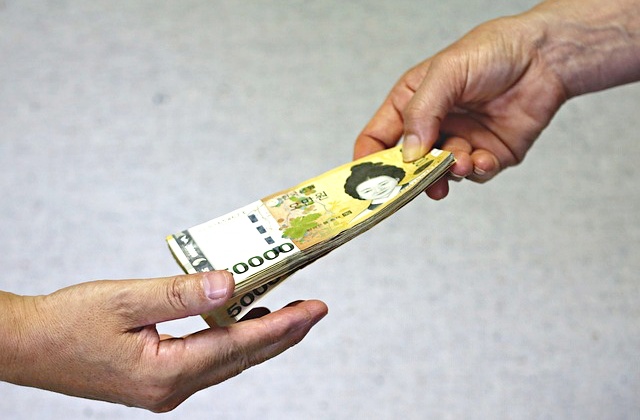
Asian currencies were mostly unchanged against the U.S. dollar on Wednesday as investors awaited key U.S. inflation data that could shape expectations for the Federal Reserve’s next interest-rate decision. Meanwhile, rising oil prices and renewed tensions around the Strait of Hormuz added pressure to regional markets.
The U.S. Dollar Index remained broadly stable at around 99.87 during early Asian trading. The Japanese yen also showed little movement, with USD/JPY trading near 159.41 despite recent coordinated intervention by Japan and the United States aimed at supporting the currency.
China’s yuan was similarly subdued, with both onshore USD/CNY and offshore USD/CNH rates showing limited movement as traders avoided major positions before the U.S. Consumer Price Index report.
Economists expect headline U.S. CPI to increase 0.1% in July after declining 0.4% in June, while annual inflation is forecast to ease to 3.4% from 3.5%. The inflation report could significantly influence the Fed rate outlook. Futures markets indicated nearly even expectations for September, with a 52% probability that interest rates remain unchanged and a 48% chance of a 25-basis-point hike.
A weaker-than-expected U.S. inflation reading could increase expectations for easier monetary policy and pressure the dollar, potentially supporting Asian currencies. Conversely, stronger inflation could boost the greenback and weigh on regional foreign exchange markets.
Elsewhere, USD/SGD gained about 0.1%, while the Indian rupee remained broadly flat. The South Korean won underperformed its regional peers, with USD/KRW rising around 0.4%. The Australian dollar was steady after the Reserve Bank of Australia unanimously kept its benchmark interest rate at 4.35%.
Oil prices also remained a key concern for Asian markets. Brent crude climbed toward $90 per barrel amid uncertainty over a U.S.-Iran peace agreement and renewed attacks on shipping. Iranian officials said the Strait of Hormuz would remain closed unless Washington accepted conditions to end the conflict.
Higher crude oil prices could increase import costs and inflation risks across energy-dependent Asian economies, while continued U.S. dollar strength may add further pressure on regional currencies.







