


 Wall Street Slips as Oil Prices Surge 5% on Iran-Hormuz Uncertainty
  England Drought Expands to 71% as Heatwave Deepens Water Crisis
  Japan Posts First Current Account Deficit in 17 Months as Dividend Payments Surge
  Yen Stabilizes After Intervention Slide as Australian Dollar Hits Eight-Week High
  Singapore Raises 2026 GDP Growth Forecast as AI Demand Fuels Economy
  Gold Prices Hold Near Seven-Week High as Markets Await U.S. Inflation Data
  S&P 500, Nasdaq Futures Rise as Iran Risks and CPI Loom
  Oil Prices Rise as Hormuz Reopening Remains Uncertain
  Singapore Raises 2026 GDP Growth Forecast to 4.5%-5.5% as AI Boom Fuels Economy
  Oil Prices Rise as US-Iran Talks Stall, Inflation Risks Grow
  UK Retail Sales Rise as World Cup and Heatwave Boost Food, Pubs and Clothing
  Asian Currencies Steady as Markets Await U.S. Inflation Data
  Dollar Steady as Markets Await U.S. Inflation Data
  Goldman Sachs Sees US Stock Buybacks Outpacing Equity Issuance as AI Funding Rises
  Asian Stocks Rise as Weak US Jobs Data Eases Fed Rate Hike Bets
  Asian Stocks Mixed as RBA Holds Rates, Oil Risks Rise
  Oil Prices Rise as Hormuz Reopening Remains Uncertain


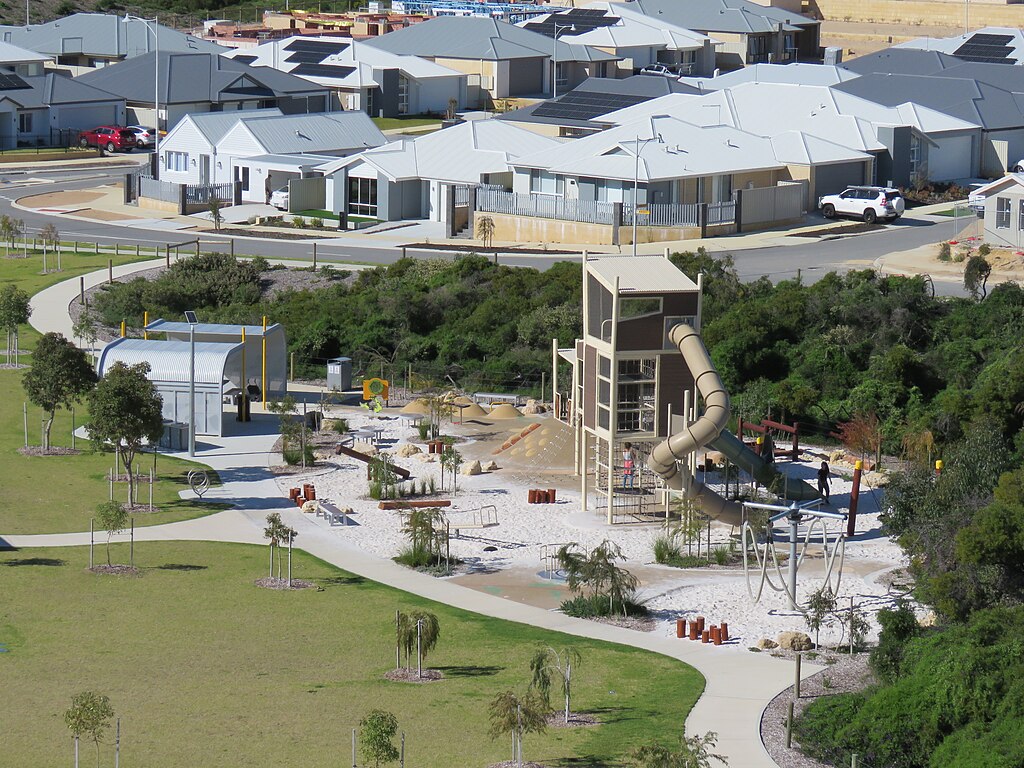
Australia’s housing shortage is intensifying as construction worker shortages, rising costs and higher financing expenses slow the delivery of new homes, putting the government’s 1.2 million-home target by 2029 at risk.
In Brisbane, builder Jay Perham has resorted to pouring concrete at night because he cannot find enough workers during the day. The lack of visibility creates quality concerns, while Brisbane’s preparations for the 2032 Olympics are expected to generate about A$7 billion in construction activity and further strain the building workforce.
Official figures show completed home construction is 27% below the quarterly pace needed to meet the National Housing Accord target. Housing expert Hal Pawson said the construction industry is already operating near its limits, with Sydney facing particularly severe challenges.
New dwelling commencements fell 11.2% in the first quarter of 2026 from the previous quarter. Apartment construction dropped 20.7%, while house commencements declined 3.5%. Construction timelines have also lengthened significantly: apartments now take about 33 months to complete, compared with 21 months a decade ago, while houses take 11.5 months versus 8.6 months previously.
Rising construction costs are adding to the pressure. Brisbane builder Perham said concrete prices have surged nearly 150% over six years, while plasterboard increased 46% and pine frames rose about 35%.
Almost 70% of apartments approved since 2020 have yet to begin construction, according to Urbis data. Industry groups warn Australia could miss its 2029 housing target by roughly 15%.
Meanwhile, construction insolvencies remain elevated, with 3,472 firms entering insolvency proceedings in the year to June 30.
Builders argue that increasing housing supply requires more skilled workers, faster approvals and less regulatory red tape. Higher interest rates could further discourage development, creating a cycle where fewer homes are built just as demand returns to the property market.







